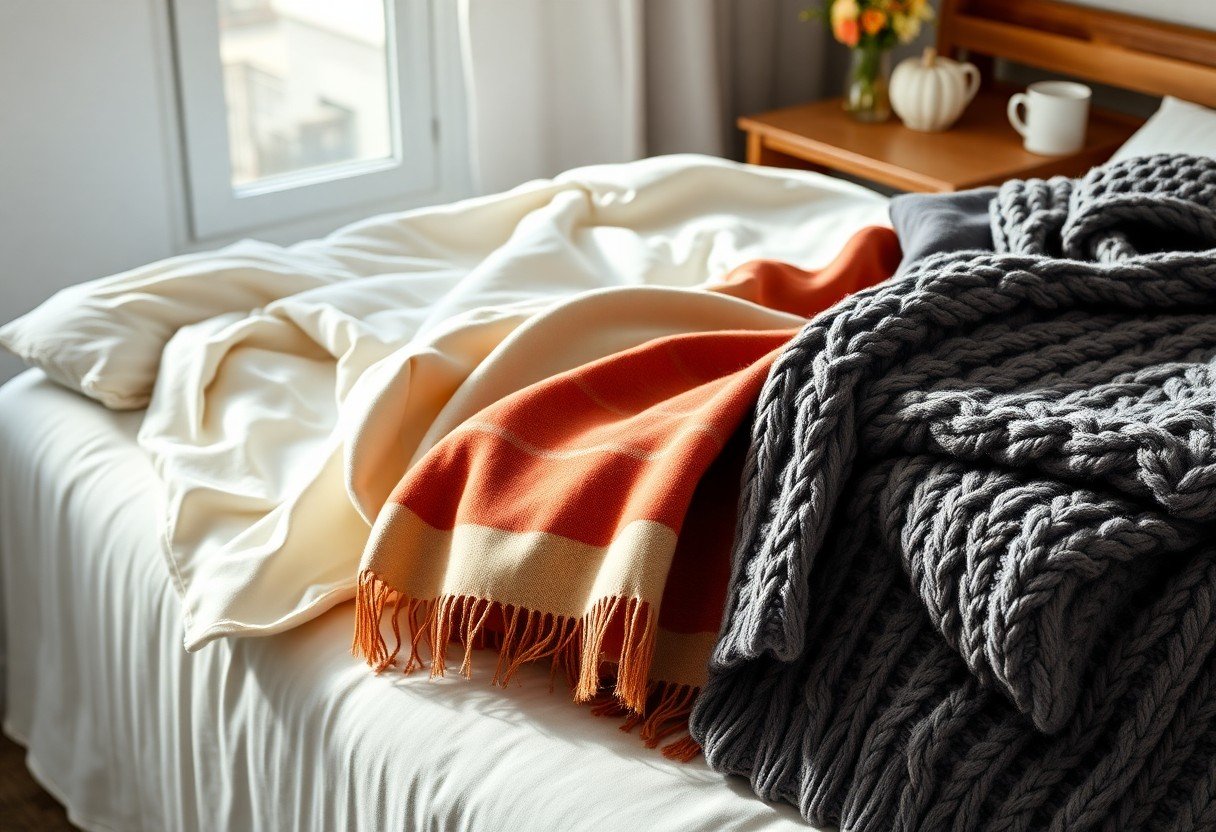
Choosing the Right Blanket for Every Season
With temperatures shifting unpredictably across months, your blanket choice directly affects sleep quality and comfort. You need more than just thickness to stay regulated through seasonal extremes. A mid-sized SaaS firm employee in Minneapolis may sweat under a wool throw in July, while someone in coastal Oregon might shiver beneath a cotton quilt in December. Material, weight, and weave respond differently to humidity and ambient heat. You already adjust clothing and thermostats. Blankets deserve the same attention.
When the Ice Breaks
Transitioning from Winter to Spring
As temperatures begin to rise above freezing, your heavy wool or down-filled blankets become too warm for comfortable sleep. You need a layer that provides gentle insulation without trapping excess heat as days grow longer and nights remain cool. A cotton flannel blanket offers the right balance, retaining warmth when needed while allowing your body to regulate temperature more freely.
Material Matters in Early Warmth
Flannel, brushed for softness, maintains a cozy feel even as indoor heating becomes less necessary. You might also consider a lightweight fleece blanket, which dries quickly after washing and resists pilling with regular use. These materials respond well to fluctuating spring conditions, especially in regions where nighttime frost still appears after a sunny afternoon.
Weight and Layering Strategy
Opt for a single mid-weight blanket that can be easily layered over a sheet or paired with a light duvet. This setup lets you adjust quickly as unpredictable cold snaps give way to milder evenings. A mid-sized SaaS firm’s office in Portland, Oregon, reported fewer employee complaints about room temperature after switching to modular bedding systems in their on-site rest areas, reflecting the practical benefits of adaptable layers.
The Long Hot Nights
Breathability Above All
You need a blanket that lets heat escape when summer humidity presses against your skin. Cotton sheets and lightweight muslin throws work well, allowing air to circulate while absorbing light perspiration. A loosely woven bamboo blend, often used by a mid-sized SaaS firm in their wellness product line, demonstrates how plant-based fibers can remain cool under prolonged contact. Synthetic materials trap warmth and moisture, making them poor choices for extended use in high temperatures.
Weight and Coverage Balance
Even in heat, some prefer the psychological comfort of a light cover. A 0.5- to 1-pound blanket made from gauze-weave cotton gives that sense of security without adding thermal load. Hotels in tropical climates often use these ultra-thin coverlets, layered over bare mattresses, to satisfy guests who dislike complete exposure. Your body temperature naturally dips in the early morning hours, so a fabric that adjusts to slight shifts prevents waking from sudden chills.
Color and Light Reflection
Darker blankets absorb radiant heat, increasing surface temperature even in dim rooms. Opt for white or pastel shades that reflect ambient light and reduce heat retention. This principle is applied in architectural design for roofing materials and holds true on a smaller scale with bedding. A pale linen throw not only looks airy but functions that way too, especially when paired with open-weave construction.
When the Leaves Fall
Adapting to Crisp Evenings
As daylight shortens and the air turns sharp, your blanket choice shifts from light throws to something with more substance. A 100% cotton waffle weave or a brushed microfiber offers enough warmth without trapping excess heat, ideal for early autumn when indoor heating isn’t yet necessary. You’ll notice comfort peaks when the fabric allows breathability, especially during those transitional nights when temperatures hover between 50°F and 60°F.
Layering for Fluctuating Temperatures
Flannel gains relevance this time of year, its napped surface trapping warmth while remaining soft against the skin. You might pair a flannel blanket with a lightweight duvet, creating a system that adapts as the season deepens. A mid-sized SaaS firm’s office lounge, for example, installed seasonal rotation protocols for their nap areas, switching to flannel in October based on employee feedback.
Material Responsiveness to Humidity
Autumn often brings dampness, particularly in coastal or forested regions, making moisture-wicking properties valuable. Wool blends excel here, absorbing up to 30% of their weight in water without feeling wet. You’ll find merino layers especially effective, maintaining thermal regulation even when humidity climbs after a rainstorm. A well-chosen autumn blanket balances warmth, breathability, and resistance to clamminess.
The Hard Cold
Weight and Warmth
You need a blanket that traps heat without suffocating you when temperatures drop below freezing. A heavy wool blanket, ideally 50 to 60 ounces, provides natural insulation even when damp, making it a trusted choice in mountain cabins and drafty apartments alike. Its dense fibers create tiny air pockets that retain body heat, a feature synthetic fills often struggle to match. Consider a double-layer wool throw if your bedroom lacks consistent heating, especially in older buildings with single-pane windows.
Material Behavior in Extreme Cold
Wool maintains its loft and thermal efficiency in subzero conditions, unlike down, which can compress and lose warmth if exposed to moisture. Cotton flannel, while soft, absorbs cold air and takes longer to warm up, making it less effective during prolonged freezes. A blend of alpaca and merino offers a lighter alternative with superior warmth-to-weight ratio, ideal if you tend to overheat but still need protection from icy drafts at 3 a.m.
Real-World Performance
A family in northern Minnesota relies on a 70-year-old Pendleton wool blanket through blizzards that cut power for days. Its tightly woven structure resists pilling and holds shape after decades, proving durability matters as much as warmth. You’ll notice the difference not in marketing claims but in how quickly the fabric responds to your body’s heat on a -10°F morning. Pre-washed options minimize shrinkage, ensuring the blanket fits snugly over thick comforters without pulling or warping after washing.
Choosing the Cloth
Natural Fibers for Breathability
Cotton remains a top choice for spring and summer due to its ability to wick moisture and allow air circulation. You’ll find that lightweight cotton blankets provide just enough coverage without trapping excess heat, making them ideal for mild nights. A mid-sized SaaS firm might prioritize efficiency, but in bedding, simplicity wins-percale and voile weaves offer crisp, cool textures that improve with every wash. Thread count matters less than weave structure when seeking breathability, so focus on open patterns that enhance airflow.
Synthetic Blends for Durability
Polyester blends stand up well to frequent use and washing, a benefit during high-turnover seasons like fall and early winter. You may notice these fabrics resist pilling and shrinking better than pure natural fibers, especially in households with children or pets. Microfiber fleece, for instance, retains warmth while remaining lightweight, making it a practical layer for unpredictable spring evenings. Its resistance to moisture also reduces drying time, a small but meaningful advantage when laundering multiple blankets weekly.
Wool and Temperature Regulation
Merino wool excels in winter months by maintaining warmth even when damp, a rare trait among natural textiles. You’ll appreciate its ability to adapt to body temperature, releasing heat when you’re too warm and retaining it when you’re cold. Unlike coarser wools, merino feels soft against the skin, eliminating the itch often associated with wool blankets. Some European sleep clinics recommend wool for patients with night sweat concerns due to its balanced moisture management. A well-cared-for merino throw can last over a decade, proving longevity often follows smart material choices.
Keeping Them Clean
Frequency of Washing
Most blankets benefit from being washed every few weeks during active use, especially if they are in regular contact with skin and hair. A down comforter from a well-known outdoor brand may require only seasonal laundering if kept inside a protective cover, while a cotton throw used nightly should be cleaned more often. You reduce the buildup of oils, dead skin, and allergens by sticking to a consistent schedule.
Material-Specific Care
Synthetic fibers like polyester tolerate frequent machine washing but can degrade under high heat. You preserve their loft and softness by using cold water and a gentle cycle. Wool blankets, such as those made by a heritage British mill, often demand hand washing or professional cleaning to prevent felting and shrinkage. Always check the manufacturer’s tag before submerging any blanket.
Drying and Storage
Tumble drying on low works for most cotton and microfiber blankets, but you should remove them slightly damp to avoid stiffness. Air drying in the shade maintains fiber integrity, particularly for silk-lined throws. Once fully dry, store blankets in breathable cotton bags rather than plastic to prevent mustiness, especially in humid climates. A cedar-lined drawer keeps moths away without chemical treatments.
To wrap up
Selecting the right blanket for each season means aligning material, weight, and weave with the climate and your body’s needs. In winter, a heavy wool or fleece blanket traps heat efficiently, especially when layered over a cotton sheet to manage moisture. You benefit from natural insulators like down or cashmere in extremely cold conditions, as they provide warmth without excessive bulk, allowing for easier movement during sleep.
Spring and autumn call for adaptability, and a medium-weight cotton or bamboo blend offers breathability while still providing comfort during cool evenings. A reversible blanket with different weights on each side can extend its usability across shifting temperatures. You might find that a quilted cotton cover adds just enough insulation on crisp nights without causing overheating.
Summer demands lightweight, moisture-wicking fabrics such as linen or jersey cotton, which allow air circulation and reduce night sweats. A simple, well-ventilated blanket can make the difference between restless heat and restful sleep. You gain the most by rotating blankets seasonally, preserving fabric integrity and maintaining optimal sleep hygiene year-round.