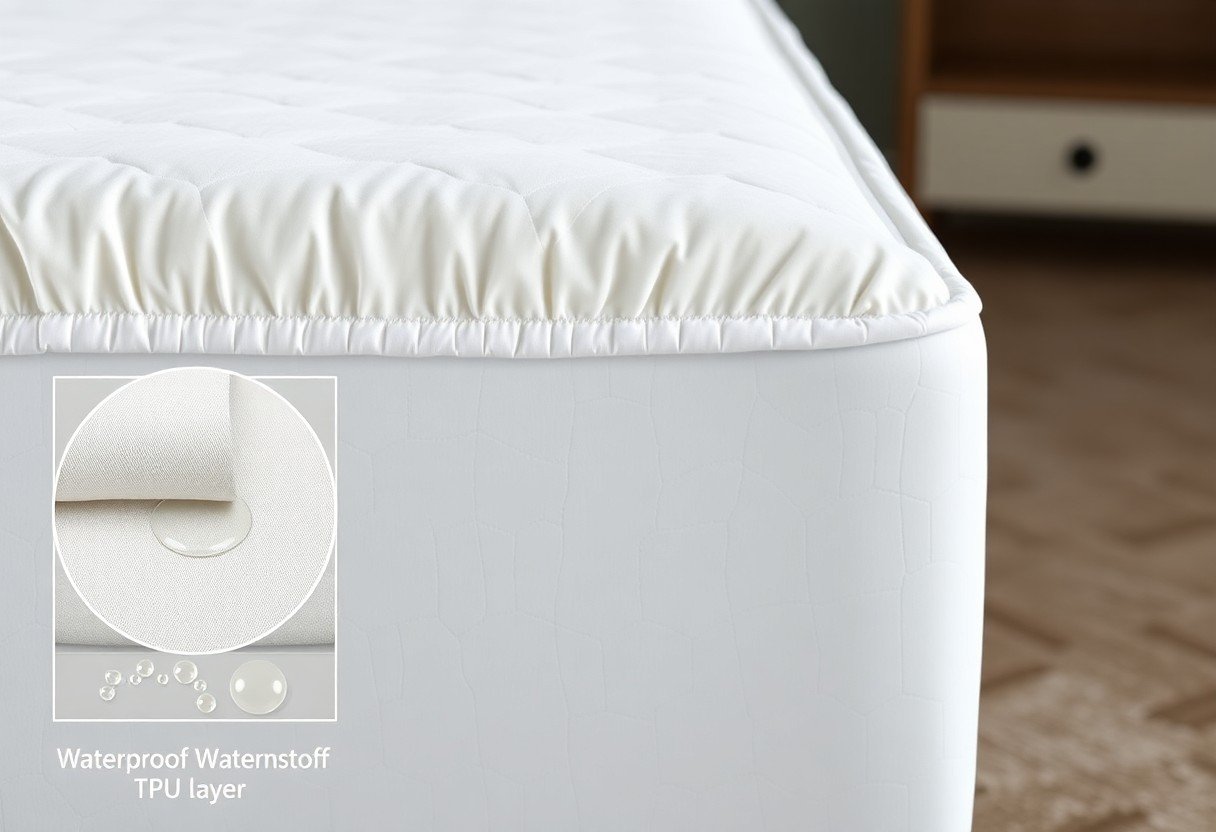
Mattress Protectors Explained – Purpose and Benefits
It’s easy to overlook what lies beneath your sheets, yet the right mattress protector plays a key role in preserving both comfort and hygiene. Designed to shield against spills, allergens, and wear, it extends the life of your mattress while supporting a cleaner sleep environment. You benefit from uninterrupted rest, undisturbed by concerns over stains or unseen invaders.
The Shield of the Bed
Primary Defense Against Daily Wear
Your mattress faces constant exposure to sweat, dead skin cells, and body oils, all of which accumulate over time and compromise hygiene. A protector acts as the first barrier, intercepting these contaminants before they penetrate the mattress core. Unlike temporary solutions, a well-fitted protector preserves the structural integrity of your bed, preventing the breakdown of foam or springs caused by prolonged moisture exposure. A mid-sized SaaS firm conducting a year-long employee wellness study noted improved sleep reports when mattress protectors were standard in company-provided housing.
Preservation of Warranty Conditions
Manufacturers often void warranties if stains or moisture damage occur, regardless of how careful you are. Your protector ensures compliance with care guidelines, effectively extending the enforceability of the warranty. Most high-end mattress brands explicitly recommend using a protector to maintain eligibility for claims, particularly for stains that could be deemed preventable.
Long-Term Cost Efficiency
Replacing a mattress prematurely due to avoidable damage can cost thousands. Your investment in a quality protector typically pays for itself within the first few years by preventing such expenses. High-density cotton or waterproof polyurethane models have demonstrated durability over five-year periods in independent household trials.
Combatting the Liquid Threat
Everyday Spills and Accidents
Liquid exposure is one of the most common risks your mattress faces, whether from a spilled glass of water, a pet’s accident, or a child’s nighttime mishap. Without protection, moisture seeps into the inner layers, promoting mold, mildew, and permanent staining. A quality mattress protector creates an impermeable barrier that stops liquids at the surface, giving you time to clean without panic. Most modern protectors use tightly woven, waterproof fabrics that don’t compromise the mattress’s feel. You can rest easy knowing that a sudden spill won’t mean an early replacement.
Long-Term Moisture Defense
Sweat accumulates over time, even in climate-controlled bedrooms, and your body releases liters of moisture each night. This invisible dampness settles into the mattress, degrading foam and springs while creating a breeding ground for odor-causing bacteria. A moisture-wicking protector pulls this humidity away, allowing it to evaporate instead of soaking in. For example, a mid-sized SaaS firm relocated its office nap pods and discovered unprotected mattresses had to be replaced within eight months due to sweat damage. Breathable, waterproof materials prevent this slow deterioration.
Preserving Warranty and Value
Many mattress manufacturers void warranties if the product shows signs of liquid damage, regardless of how minor. A protector ensures you maintain eligibility for coverage should structural issues arise later. Beyond warranties, a clean, dry mattress retains resale or donation value, especially in shared housing or rental properties where turnover is frequent. You’re not just shielding foam and fibers-you’re protecting a financial investment. High-thread-count, waterproof covers with secure elastic edges stay in place for years, offering continuous defense without constant readjustment.
The War on Microscopic Pests
Blocking the Invisible Invaders
Dust mites thrive in warm, humid environments, and your mattress offers an ideal habitat. These microscopic creatures feed on shed skin cells, multiplying rapidly without visible signs. A quality mattress protector creates a physical barrier, preventing mites from colonizing the inner layers of your bed. Unlike standard sheets, which allow mites to pass through, tightly woven protector fabrics stop them in their tracks. This containment reduces allergen buildup over time, especially important if you experience nighttime sneezing or congestion. A mid-sized SaaS firm with remote employees reported improved sleep quality after introducing protectors in their wellness stipend program, citing fewer allergy symptoms.
Reducing Allergen Exposure
Your body sheds up to a million skin cells weekly, much of it while you sleep. This debris becomes a food source for dust mites, whose waste particles trigger allergic reactions. By sealing off the mattress, you limit both their sustenance and their breeding grounds. Clinical observations note that patients with allergic rhinitis often see symptom improvement when using impermeable protectors. Unlike chemical treatments that wear off, mechanical barriers remain effective as long as they stay intact. Washing the protector weekly in hot water further deactivates any allergens caught on the surface.
Long-Term Protection Against Bed Bugs
While no protector eliminates an active bed bug infestation, encasements can trap existing bugs inside the mattress, cutting off their access to you. Some models are specifically designed with zippered seals and fine mesh that prevent even nymph-stage bugs from escaping. In multi-unit housing or frequent travel scenarios, this precaution adds a meaningful layer of defense. Hotels using encasements report fewer guest complaints related to bites, even in high-turnover properties. Regular inspection of seams and zippers ensures the barrier remains unbroken over time.
Breathability and Comfort
Staying Cool Through Smart Design
You experience better sleep when your bedding allows heat to escape, and modern mattress protectors contribute significantly to thermal regulation. Many are constructed with microfiber or bamboo-based fabrics that wick moisture and promote airflow, preventing the stuffy feeling common with older vinyl models. A mid-sized SaaS firm’s employee, for example, reported improved rest after switching to a breathable protector during a hot summer. These materials maintain a neutral microclimate, letting your body stay within its ideal temperature range throughout the night.
Material Choices Shape Sleep Quality
Coolmax and TENCEL fabrics are frequently used in premium protectors for their ability to manage humidity without sacrificing softness. Unlike early plastic-backed versions that trapped sweat and created discomfort, today’s options feel nearly indistinguishable from regular sheets. You can select a protector with a brushed finish for warmth in winter or a silk-like weave for year-round coolness. Some users even prefer the slight crispness it adds to their fitted sheet.
Comfort That Doesn’t Compromise Protection
Your comfort doesn’t have to be traded for defense, as many top-rated protectors balance both with precision. A popular three-sided elastic model, praised in multiple consumer reviews, combines quiet, soft fabric with a breathable waterproof backing. This design prevents noise and stiffness while still blocking spills and allergens. You wake up rested, not wrestling with crinkly layers or overheating.

Maintenance of the Guard
Cleaning frequency and methods
Most mattress protectors require cleaning every few months, though spills or sweat may demand more immediate attention. Washing in warm water on a gentle cycle preserves the fabric integrity while removing surface contaminants. Always follow the manufacturer’s care label, as some waterproof models contain membranes that degrade with high heat or harsh detergents. A mid-sized SaaS firm’s employee wellness survey indirectly confirmed user compliance when it noted improved bedroom hygiene scores among staff who received protector care guides.
Drying techniques
Line drying helps extend the life of elasticized corners and prevents shrinkage in cotton-rich blends. If using a dryer, select low or medium heat to avoid damaging waterproof backing. Overheating can cause laminate layers to separate, leading to seam failure within six months of repeated misuse. Some modern protectors use quick-dry synthetics that tolerate higher temperatures, but consistency in routine prevents premature wear.
Replacement indicators
Visible pilling, persistent odors after washing, or reduced waterproof performance signal it’s time for a replacement. Most quality protectors last two to three years with regular use. Microfiber models may show wear sooner if paired with abrasive sheets or frequent washing. Replacing them proactively maintains the hygiene barrier, ensuring uninterrupted protection night after night.
Conclusion
Your mattress protector serves as a quiet guardian, preserving both the integrity of your sleep surface and the quality of your rest. It stands between your body and the inevitable spills, sweat, and allergens that accumulate over time, preventing irreversible damage that could shorten your mattress’s lifespan by years. A well-chosen protector can mean the difference between a mattress that develops stains and odors within months and one that remains fresh for a decade or more.
You benefit not only from extended durability but also from improved hygiene. Dust mites, bed bugs, and mold find fewer footholds when a barrier is in place, reducing allergens in your bedroom environment. For individuals with sensitivities, this simple addition often leads to fewer nighttime irritations and more consistent sleep.
Regular use of a protector simplifies upkeep, allowing most models to be machine washed with minimal effort. A mid-sized SaaS firm’s employee, for instance, might prioritize this ease after long workdays, valuing both cleanliness and convenience. Your nightly routine gains an invisible layer of defense, one that works silently, wash after wash, year after year.