What Is a Hybrid Mattress and Who Is It Best For?
The Peculiar Architecture of Hybrids
The Resilient Steel Core
Steel coils form the foundational layer in most hybrid mattresses, providing structural integrity and long-term support. These coils vary in gauge, count, and configuration, with pocketed coils being the most common in modern designs due to their ability to isolate motion. You experience less disturbance when your partner shifts positions, a benefit particularly noticeable in queen or king sizes. Some models use zoned coil systems, where targeted areas like the lumbar region have reinforced support. The responsiveness of steel allows for easier movement across the bed, making it easier to change sleeping positions during the night. A well-constructed coil system can last over a decade without sagging, especially when paired with high-density base foams.
Manufacturers often tune coil tension to match the desired firmness level, meaning a soft hybrid still maintains durability through calibrated spring resistance. You’ll find that hybrids with tempered steel coils resist wear better than all-foam alternatives under consistent use. The open structure of the coil layer also promotes airflow, reducing heat retention commonly associated with memory foam. This breathability becomes especially valuable in warmer climates or for individuals who sleep hot. Coil durability is not uniform across brands, so examining the coil gauge and encasement quality helps determine long-term performance. Lower gauge numbers indicate thicker, more resilient wires, typically found in premium models.
Hybrid designs frequently pair the coil system with a high-density polyfoam stabilizer layer to prevent bottoming out. You benefit from a stable base that maintains shape even after years of compression. This layer also protects the coils from direct body weight, extending the mattress’s functional life. Some brands incorporate reinforced perimeter coils to enhance edge support, allowing you to sit or sleep near the edge without roll-off. Models with split coil systems cater to adjustable bases, maintaining flexibility without sacrificing support. The steel core’s engineering directly influences how the mattress feels and performs over time.
Plush Layers of Modern Foam
Over the steel foundation, multiple layers of advanced foam create the comfort profile you feel upon lying down. You encounter materials like gel-infused memory foam, open-cell polyfoam, and plant-based foams designed to balance pressure relief with breathability. These layers range from 2 to 4 inches in thickness, varying by model and intended firmness. The topmost foam responds to body heat and weight, contouring closely to your shape while minimizing pressure points on hips and shoulders. Unlike older memory foams, modern versions reduce the “stuck” sensation, allowing easier repositioning during sleep.
Gel infusions and copper particles are often dispersed within the foam to draw heat away from the body, addressing one of memory foam’s traditional drawbacks. You experience a cooler sleep surface, particularly in models with phase-change materials or moisture-wicking covers. Transition layers of firmer foam sit beneath the soft top, ensuring you don’t sink too deeply into the mattress. This graduated design supports spinal alignment while maintaining a plush initial feel. Some brands use adaptive foams that respond dynamically to movement, softening under pressure but rebounding quickly when weight shifts.
Manufacturers increasingly use CertiPUR-US® certified foams to ensure low off-gassing and minimal harmful emissions. You benefit from reduced odor upon unboxing and a safer indoor sleep environment. The foam layers also contribute to motion isolation, absorbing vibrations from movement across the bed. A mid-sized SaaS firm’s employee working late on the guest bed won’t disturb their partner in the main bedroom. Thickness and foam density determine longevity, with higher-density foams maintaining resilience longer. These layers are replaceable in modular designs, extending the mattress’s usable life.
Some hybrid models incorporate latex foam as a top layer, offering a responsive, slightly bouncy feel with natural cooling properties. You may prefer this if you find memory foam too slow to respond or overly warm. Latex is often blended with other foams to fine-tune softness and durability. The combination of modern foam technologies ensures comfort without sacrificing support, making hybrids adaptable to various sleep preferences.
A Marriage of Convenience
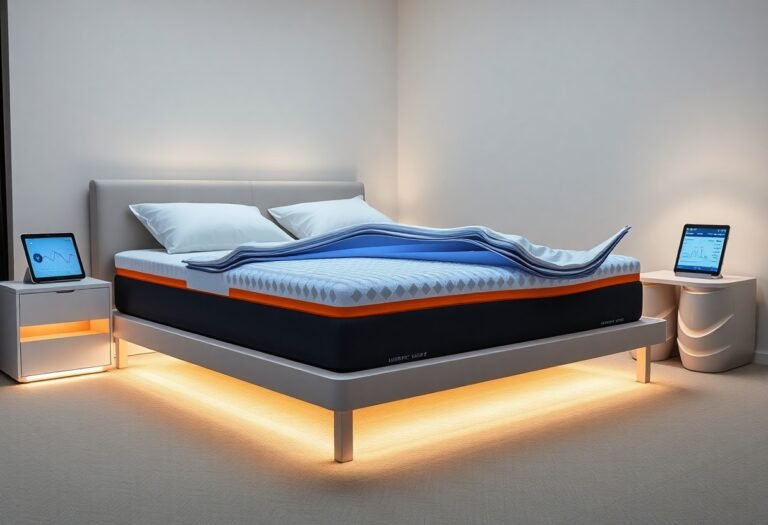
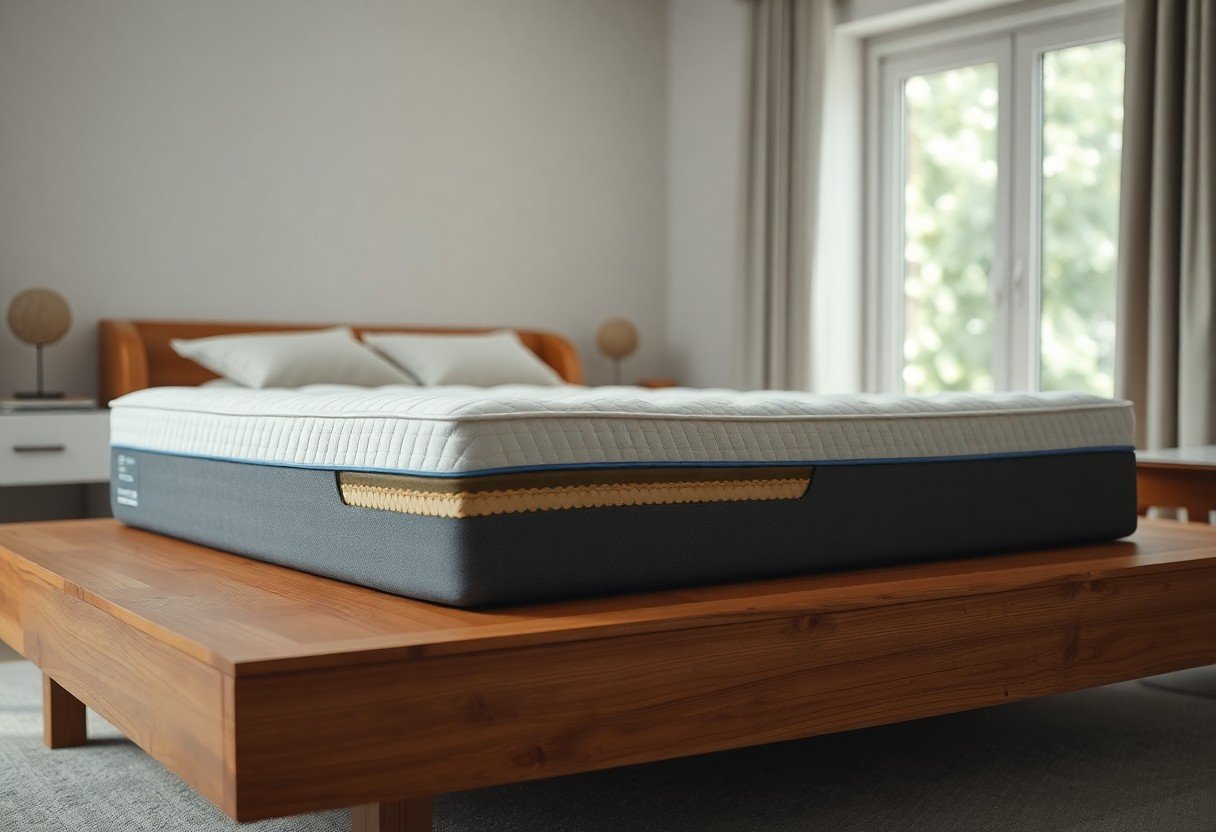
Combining innerspring coils with layers of memory foam or latex, hybrid mattresses create a balanced sleep surface that addresses multiple comfort needs. The underlying coil system provides structural integrity, while the top cushioning layers conform to your body’s contours. This design allows for both responsiveness and pressure relief, a pairing not often found in purely foam or spring-based models. A mid-sized SaaS firm relocating its team to remote work noted improved employee sleep reports after switching to hybrids, citing fewer aches and easier movement during the night.
Coil count and gauge vary significantly between models, directly influencing how firm or plush the feel becomes. Some designs use pocketed coils, individually wrapped to isolate motion and reduce disturbance. Others rely on Bonnell or offset coils for a more traditional bounce. The foam layers above respond to body heat, softening where contact occurs, yet retain enough resilience to prevent that sinking feeling common in older memory foam beds. You experience support where you need it, especially along the lumbar and shoulder zones.
Manufacturers often tailor hybrids to specific sleep positions, adjusting foam thickness and coil tension accordingly. Side sleepers might encounter a softer upper layer to cushion the hips and shoulders, while back and stomach sleepers benefit from a firmer base. The balance between sink and spring keeps your spine aligned without sacrificing comfort. You’re not choosing between support and softness-you’re getting both in measured proportion.
Gravity Defying Support
Coil systems in hybrid mattresses actively resist compression, countering the downward pull of your body weight throughout the night. This resistance prevents excessive sagging, especially in the midsection, where traditional foams may struggle over time. You remain buoyant, not submerged, allowing for easier repositioning without feeling trapped. The coils rebound instantly, maintaining consistent support across hundreds of nightly movements.
Pocketed coils operate independently, compressing only where pressure is applied. If you share the bed, your partner’s movements won’t ripple through the entire surface. One side can sink under weight while the other stays stable, preserving alignment and minimizing disruptions. You wake less often from motion transfer, a common issue in older innerspring units with interconnected coils.
Firmer coil zones are sometimes integrated along the center third of the mattress, enhancing lumbar support. This zoned reinforcement targets the lower back, a frequent pain point for many sleepers. You gain structural assistance precisely where the spine needs it most, reducing morning stiffness. Over months of use, this targeted uplift helps maintain the mattress’s original shape and your posture.
Airflow and Breezy Nights
Open coil structures create natural ventilation channels, allowing heat to escape rather than accumulate beneath you. Unlike solid foam cores that retain warmth, the gaps between coils promote continuous air circulation. You sleep cooler because warm air rises and dissipates through the breathable fabric and layered construction. This design is especially beneficial if you tend to overheat during deeper sleep cycles.
Many hybrids incorporate gel-infused foams or phase-change materials in the comfort layer to further regulate temperature. These components absorb excess heat and release it slowly, preventing sudden spikes in surface warmth. You experience a more stable microclimate, avoiding the discomfort of waking up flushed or sweaty. The combination of airflow and thermal-reactive materials creates a balanced sleep environment.
Breathable cover fabrics, often made with Tencel, cotton, or moisture-wicking blends, enhance the cooling effect. These materials feel smooth against the skin and help draw moisture away from your body. You stay dry and comfortable, even during warmer seasons or in humid climates. The layered approach to temperature control addresses both air movement and surface feel.
Some models include convoluted foam layers or air channels molded directly into the padding, increasing surface area for heat dissipation. These structural details are subtle but effective, working silently beneath the cover to maintain airflow. You benefit from engineering choices that prioritize thermal balance without compromising comfort or support. Cooling is not an afterthought-it’s built into the architecture.
The Right Sort of Person
Restless Side Sleepers
Side sleepers who shift frequently during the night often struggle with pressure buildup in the shoulders and hips. A hybrid mattress responds well to these movements by combining responsive pocketed coils with a cushioned foam or latex top layer. This structure allows your body to sink slightly where needed while maintaining spinal alignment. You’ll notice less stiffness in the morning, especially if you tend to rotate between side and back positions. The targeted support reduces strain without trapping heat, a common issue with all-foam models. One mid-sized SaaS firm employee reported improved sleep continuity after switching from a memory foam to a hybrid, citing easier movement and cooler temperatures.
Pressure relief is built into the design, not layered on top. Your shoulder dips into the comfort layer just enough to avoid compression, while the pocketed coils beneath adjust locally to your changing posture. Unlike traditional innerspring mattresses, the independent coils minimize motion transfer even as you shift. You don’t have to sacrifice support for softness, a frequent trade-off in other mattress types. The balance makes hybrids especially effective for those with joint sensitivity or recovering from minor injuries. You wake with fewer aches, particularly if you spend several hours on your side.
Temperature regulation plays a role in how freely you move at night. Foam layers in hybrids are typically aerated or infused with cooling materials, preventing the clingy, overheated feeling of older memory foams. You stay cooler without needing external cooling devices. Breathable covers and coil airflow further enhance this effect. You’re more likely to stay in deeper sleep stages when your body temperature remains stable. This subtle environmental control supports uninterrupted rest, even during warmer months.
Partner Disturbance Solutions
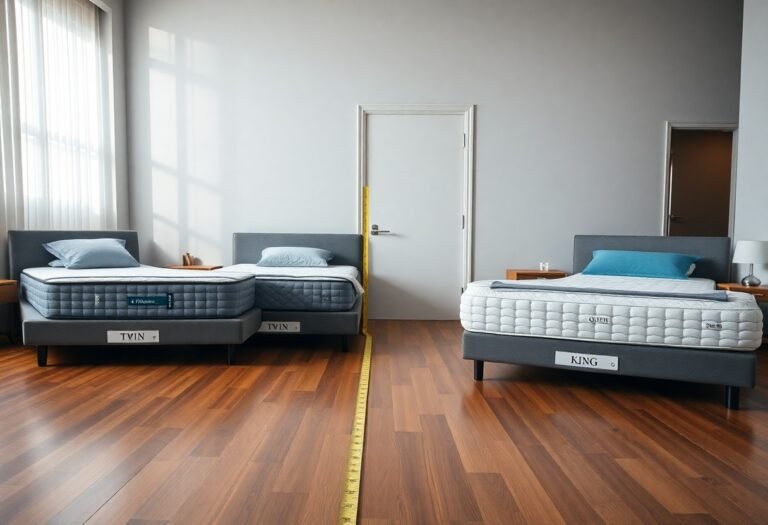
Motion isolation in a hybrid mattress comes from the synergy between independent coils and adaptive comfort layers. When your partner rolls over or gets out of bed, the disturbance doesn’t ripple across the surface. You remain undisturbed, even on a queen-sized mattress with close proximity. The pocketed coils compress only where pressure is applied, containing movement to a localized area. This feature benefits light sleepers sharing a bed with a more active partner. You’re less likely to wake from their movements, improving overall sleep efficiency.
The coil system absorbs impact without transferring energy laterally. Unlike traditional innersprings, where one side’s motion affects the entire structure, hybrids localize bounce. You can feel the difference when your partner exits the bed at 6 a.m.-your side remains still. Edge support also plays a role, allowing both of you to use the full surface without feeling unbalanced. Couples who frequently watch TV or read in bed appreciate the stability and reduced motion interference.
Some models incorporate zoned coil systems, increasing support in the center third of the mattress where most movement occurs. This targeted reinforcement enhances durability and motion control. You benefit from longer-lasting performance without sagging in high-use areas. The combination of structural intelligence and material responsiveness makes hybrids a top choice for shared sleep environments.
Zoned support doesn’t just extend mattress life-it fine-tunes comfort for dual sleepers with different weights or preferences. One partner might need firmer lumbar support while the other favors a softer shoulder cushion. Hybrid designs can accommodate these differences without compromise. You both experience personalized comfort on the same surface, reducing friction over mattress choice. This balance is especially valuable in long-term relationships where sleep habits evolve over time.
The Matter of Endurance
Structural Integrity
Hybrid mattresses rely on a reinforced coil system beneath layers of foam or latex, creating a foundation that resists sagging over time. You benefit from the coils’ ability to maintain shape, especially along the sleep surface where body impressions often form in all-foam models. A well-constructed hybrid uses pocketed coils, individually wrapped to prevent lateral motion transfer and reduce wear at pressure points. This design minimizes metal fatigue, a common cause of premature breakdown in simpler innerspring units. Over years of use, the support layer retains its height and responsiveness, critical for maintaining proper spinal alignment. Some models incorporate high-carbon steel coils, known for greater resilience than standard steel, particularly in heavier sleepers or adjustable bed frames. The integration of durable foams like high-density polyurethane or natural latex further stabilizes the upper layers, preventing bottoming out. Even with nightly compression, the layered architecture distributes weight efficiently, preserving structural performance far longer than many budget alternatives.
The Cost of Comfort
Purchasing a hybrid mattress often requires a higher initial investment compared to basic innerspring or thin foam options. You may find entry-level hybrids starting around the same price as premium memory foam models, reflecting the added complexity of dual-material construction. Manufacturing demands increase with the need to align coils precisely beneath comfort layers, requiring more labor and quality control. Materials like organic cotton covers, plant-based foams, or natural latex elevate the price further, appealing to eco-conscious buyers. Despite the cost, many owners find the longevity offsets the expense, with some hybrids lasting 8 to 10 years before noticeable degradation. Replacement frequency plays a role in long-term value; buying a durable hybrid every decade may cost less than replacing a cheaper mattress every five years. Retailers often include extended warranties, sometimes up to 15 years, signaling confidence in the product’s endurance.
Consider a mid-sized SaaS firm that upgraded employee home office stipends to include hybrid mattresses for remote workers. The company reported fewer complaints related to back pain and increased productivity metrics over an 18-month period. While not a clinical study, the anecdotal outcome suggests that sustained physical comfort can influence daily performance. You might not track productivity in the same way, but consistent sleep quality affects focus, mood, and energy levels. The initial cost becomes part of a broader investment in well-being, not just bedroom furniture. High-quality hybrids often come with trial periods, allowing you to assess comfort without financial risk. These return policies, sometimes lasting a full year, reflect manufacturer confidence and reduce buyer hesitation. Over time, the combination of durability, comfort, and health benefits can justify the higher price tag for many households.
Minor Inconveniences
The Heave and Ho of Moving
Hybrid mattresses often weigh significantly more than all-foam models due to their internal coil systems and dense comfort layers. A queen-sized hybrid can easily exceed 100 pounds, making it difficult to maneuver up staircases or through tight hallways. You’ll likely need a second person to assist during transport, especially if you live in a walk-up or have narrow doorframes. Some brands offer split-core designs to ease relocation, but these are exceptions rather than the norm. Even with help, dragging a hybrid across hardwood or tile risks damaging both the floor and the mattress casing. Consider this when renting or anticipating frequent moves, as the effort may outweigh the comfort benefits over time. One customer reported needing three people to carry their hybrid up a narrow fire escape during a city apartment change.
Perimeter Stability
Edge support in hybrid mattresses varies widely depending on the coil type and frame reinforcement. Models with dense foam encasement or reinforced coils tend to resist sagging when you sit near the sides. You might notice less roll-off when sharing the bed or using the edge as a seating area. However, not all hybrids prioritize this feature-some budget options use thinner border coils that compress under pressure. A mid-sized SaaS firm employee mentioned how their hybrid’s edges began softening after eight months of nightly sitting while tying shoes. High-quality pocketed coils with reinforced perimeters can maintain integrity for years, but you’ll need to scrutinize specifications carefully. Without solid edge construction, usable sleep surface shrinks noticeably over time.
Reinforced edges do more than prevent sagging-they influence how the mattress feels during movement and position changes. When coils extend fully to the border or are wrapped in high-density foam, the support remains consistent from center to edge. This design helps maintain alignment if you sleep close to the side or share the bed with a partner who takes up more space. Some users report a firmer, more contained feel with these models, similar to older innerspring beds but with modern comfort layers. Without this reinforcement, the mattress may feel unstable when sitting or shifting near the edge, particularly for heavier individuals. A well-constructed perimeter adds structural integrity, contributing to both comfort and longevity.

The Shopper’s Strategy
Understanding your sleep habits shapes how you assess a hybrid mattress. A side sleeper with shoulder pain might prioritize plushness and pressure relief, while someone with back issues may look for firmer lumbar support. Your body weight and preferred sleeping position directly influence which coil gauge and foam density will serve you best. Matching these personal factors with the right build prevents costly trial and error.
Researching brands gives you leverage when comparing similar models. One company might use tempered steel coils with higher durability, while another pairs memory foam with cooling gel in a way that suits hot sleepers. Reading verified customer reviews helps identify long-term performance patterns, such as sagging after six months or consistent edge support. These details often escape marketing materials but emerge clearly in user experiences.
Timing your purchase around major holidays or clearance events can yield significant savings. Many online retailers introduce discounts during Memorial Day, Labor Day, or Black Friday. Some offer price-matching policies, allowing you to secure the lowest rate even after buying. Planning ahead ensures you don’t overpay for a mattress that could cost hundreds less weeks later.
The Trial Period
A generous trial period lets you test the mattress under real conditions, not showroom lighting. Most reputable brands offer at least 100 nights, with some extending to a full year. This duration accounts for the adjustment phase, where your body adapts to new support levels and surface feel. Rushing the evaluation risks rejecting a mattress that could have worked with more time.
You are expected to sleep on the mattress for a minimum number of nights-often 30-before initiating a return. This prevents immediate rejections based on first impressions, which can be misleading with denser foams or responsive coils. Some companies require proof of use, such as photos of the mattress in a bedroom setting. These rules ensure fair use while protecting both buyer and seller.
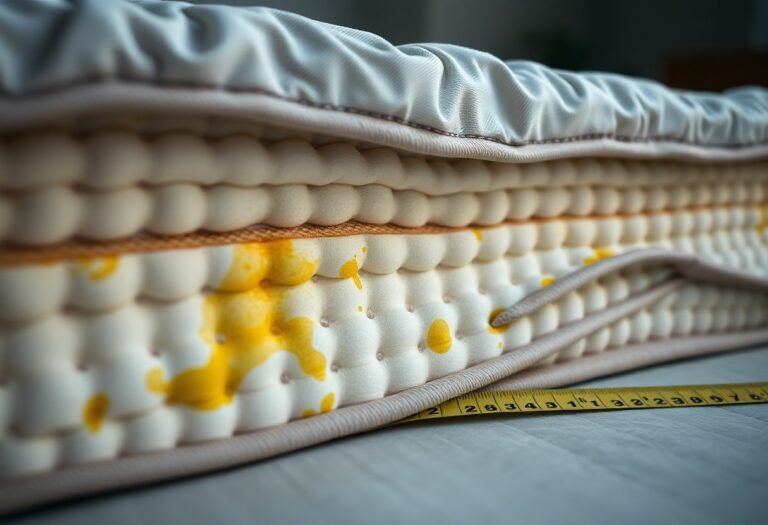
Keep in mind that trial periods usually require the mattress to be in resalable condition. Stains, burns, or strong odors may void the return eligibility. Using a protective cover from day one safeguards your option to send it back. A clean, well-maintained mattress moves smoothly through the return process if it ultimately doesn’t suit your needs.
Decoding the Fine Print
Warranty terms often contain conditions that can invalidate coverage without clear warning. Folding or storing the mattress improperly, even briefly, might disqualify you from protection. Some manufacturers require specific foundation types, such as solid platforms or slatted bases with gaps under three inches. Using an incompatible frame could void the warranty outright.
Height loss is a common metric used to determine warranty claims, typically defined as a visible indentation of one inch or more. This standard allows companies to objectively assess wear, but it may not reflect discomfort from smaller, persistent dips. You are responsible for rotating the mattress as instructed, often every few months, to maintain eligibility.
Proof of purchase and original tags are usually mandatory when filing a claim. Losing the receipt or removing the law label can halt a warranty request before it begins. Some brands offer prorated replacements after a certain number of years, meaning you cover part of the cost for a new unit. These details, buried in the fine print, shape your long-term ownership experience.
One overlooked clause involves transferability: many warranties apply only to the original purchaser and cannot be passed on if you sell or gift the mattress. This limitation affects resale value and secondary market interest. Another detail involves shipping fees for replacements-some companies cover return freight, while others charge hundreds. Knowing these terms in advance prevents surprises years down the line.
To wrap up
You benefit from a hybrid mattress if you seek balanced support and pressure relief, combining the contouring feel of memory foam with the steady responsiveness of innerspring coils. This structure suits individuals who shift positions during sleep, particularly side sleepers needing cushioning at the shoulders and hips without sinking too deeply.
You may find hybrids especially advantageous if you share a bed, as many models isolate motion better than traditional spring mattresses while maintaining breathability through ventilated coils and cooling cover materials. A mid-sized SaaS firm relocating its office once reported improved employee sleep quality after switching to hybrid models in their on-site rest areas, citing reduced partner disturbance and fewer overheating complaints.
You should consider your weight and preferred firmness when selecting a hybrid, as performance varies across models with different coil counts and foam densities. Those under 130 pounds might prefer a softer top layer, while individuals over 230 pounds often need reinforced edge support and higher coil gauges to prevent sagging over time.