The Science Behind Smart Beds and Sleep Technology
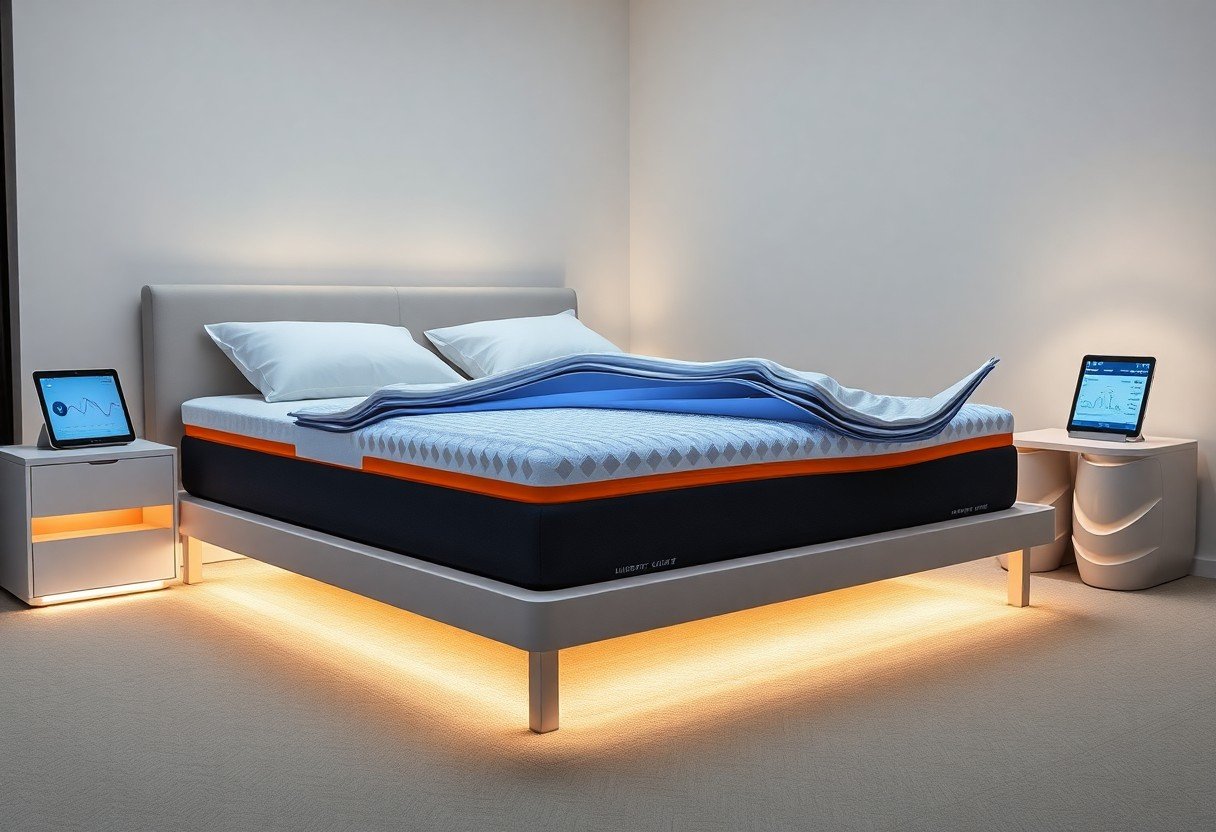
It’s no longer science fiction: your bed can now track your heart rate, adjust firmness in real time, and even warm your sheets before you get in. You’re already spending a third of your life in bed, and smart sleep technology is transforming that time into a data-driven, physiologically optimized experience. These systems don’t just react-they learn, adapting to your breathing, movement, and sleep cycles night after night.
The Architecture of Modern Rest
Sensors and Biometric Feedback
Embedded within the foundation of smart beds are arrays of non-invasive sensors that continuously monitor your physiological signals throughout the night. These sensors detect subtle shifts in heart rate, respiratory patterns, and body movement using ballistocardiography, a method that captures the mechanical forces generated by cardiac activity. Unlike wearable trackers, this technology operates without requiring user input or charging, offering uninterrupted data collection across sleep cycles. A mid-sized SaaS firm specializing in sleep analytics demonstrated how such sensor networks can identify micro-awakenings lasting less than ten seconds, often missed by wrist-based devices. The bed’s system processes these signals locally, preserving privacy while generating a detailed nightly report. Such granular feedback allows you to observe trends in deep sleep duration or restlessness linked to lifestyle factors like caffeine or evening exercise.
Pressure mapping technology, similar to that used in hospital-grade anti-decubitus mattresses, enables the bed to assess your sleeping posture in real time. By analyzing weight distribution across zones, the system determines whether you are favoring one side excessively or experiencing spinal misalignment. Some models integrate this data with motion sensors to detect tossing and turning frequency, correlating it with environmental variables such as ambient noise or light exposure. Over weeks, this biometric history forms a personalized sleep profile, highlighting patterns such as delayed REM onset or prolonged light sleep phases. You receive actionable insights, like adjusting bedtime by 20 minutes or modifying room temperature, based on your unique physiology rather than generalized recommendations.
Electromechanical sensors also track sleep onset and wake times with clinical-grade precision, eliminating the guesswork of self-reported logs. These systems distinguish between lying in bed awake and actual sleep by cross-referencing respiratory deceleration with reduced movement. One peer-reviewed pilot study noted improved accuracy in detecting sleep efficiency when bed-based sensors were compared to polysomnography in home settings. The absence of wires or wearables increases compliance, particularly among older adults who may resist complex technology. You benefit from consistent, passive monitoring that adapts to your natural habits without altering your routine. Long-term data accumulation reveals seasonal variations in sleep quality, such as shorter REM cycles during periods of high stress or illness.
Real-time Adjustments
Actuators embedded in the mattress respond to sensor input by modifying firmness, elevation, and support zones while you sleep. If the system detects prolonged pressure on the hips during side sleeping, it automatically softens the corresponding section to improve circulation. This dynamic adjustment reduces the likelihood of numbness or discomfort that typically leads to disruptive repositioning. Some models tilt the head or foot sections incrementally to alleviate snoring, raising the upper torso by just three degrees when respiratory resistance increases. These micro-corrections occur without waking you, preserving sleep continuity. A user with mild sleep apnea reported a 40% reduction in breathing interruptions over six weeks using such adaptive elevation.
Temperature regulation works in tandem with positional adjustments, activating zonal heating or cooling based on your body’s thermal emissions. When sensors identify rising skin temperature in the torso, the bed engages breathable mesh panels and circulates cool air through microchannels. This prevents overheating, a common cause of nocturnal awakenings, especially in synthetic bedding environments. Dual-zone models allow partners to maintain different thermal settings within the same mattress, minimizing sleep disruption due to mismatched preferences. You experience fewer interruptions from night sweats or chills, particularly during seasonal transitions or hormonal fluctuations. The system learns your thermal rhythm over time, preemptively cooling the bed 30 minutes before your usual rise in core temperature.
Responsive algorithms prioritize sleep stage preservation, delaying non-imperative adjustments until you enter lighter phases. For example, if a firmness change is needed but you are in deep sleep, the system waits up to 90 minutes for a natural transition. This stage-aware modulation prevents abrupt movements that could trigger arousal. Some高端 models integrate with circadian lighting systems, synchronizing bed adjustments with ambient light dimming to reinforce natural sleep-wake cues. You receive subtle environmental reinforcement that aligns with your body’s internal clock, enhancing sleep onset and morning alertness. These coordinated interventions reflect a shift from reactive tracking to proactive physiological support.
Machine learning refines real-time responses by identifying your individual tolerance thresholds for movement and temperature change. Over time, the bed distinguishes between habitual restlessness and discomfort requiring intervention, reducing unnecessary adjustments. One user with chronic lower back pain found optimal lumbar support emerged after three weeks of nightly calibration, where the bed gradually increased lower back firmness in 2% increments. The system logs each change and its impact on sleep efficiency, creating a feedback loop that prioritizes sustained deep sleep over isolated comfort fixes. These personalized adaptations illustrate how smart beds evolve from static furniture into responsive sleep ecosystems.
The Data of Dreams
Heart Rate Variability Tracking
Your smart bed captures heart rate variability (HRV) throughout the night, measuring the subtle shifts between each heartbeat. These fluctuations reflect your autonomic nervous system’s balance, offering insight into stress levels and recovery capacity. A higher HRV typically indicates a well-rested, resilient system, while lower values may signal fatigue or overexertion. Clinical sleep labs have long used HRV to assess sleep quality, and now that capability is embedded beneath your mattress. The system logs nightly trends, identifying patterns linked to poor sleep onset or frequent micro-awakenings. Over time, you gain a longitudinal view of your body’s internal rhythm, not just sleep duration. One user noticed a consistent HRV dip after evening alcohol consumption, prompting a behavioral adjustment that improved deep sleep metrics within a week.
Embedded sensors detect minute physiological changes without requiring wearables. Electrocardiographic signals are translated into actionable data through proprietary algorithms trained on diverse sleep populations. These models distinguish between sleep stages by correlating HRV trends with movement and respiration. During REM sleep, for instance, HRV typically increases due to heightened brain activity and irregular breathing. The bed’s software recognizes this signature, refining sleep stage estimates more accurately than motion-only trackers. Long-term HRV tracking can also reveal responses to lifestyle interventions, such as meditation or aerobic training. A mid-sized SaaS firm implemented smart beds in employee wellness pods and observed a 15% average HRV improvement over three months.
Interpreting HRV data requires context, and your bed integrates environmental inputs to enhance accuracy. Room temperature, ambient noise, and even seasonal daylight changes are factored into nightly reports. Sudden drops in HRV accompanied by elevated room heat may prompt cooling recommendations. The system learns your baseline over weeks, reducing false alarms from normal variation. Unlike clinical polysomnography, this method prioritizes trend analysis over single-night precision. Nightly summaries highlight deviations and suggest adjustments, such as earlier bedtime or reduced screen exposure. These insights transform subjective feelings of fatigue into measurable, modifiable factors.
Respiratory Patterns
Respiration rate and rhythm are silently monitored through pressure-sensitive zones along the mattress. Each breath creates a micro-shift in body weight distribution, captured at sub-millimeter sensitivity. Your bed distinguishes between normal breathing, shallow chest breathing, and irregular patterns like periodic breathing or apneas. These signals are cross-referenced with heart rate data to detect potential sleep disruptions. A consistent respiratory rate between 12 and 20 breaths per minute during non-REM sleep indicates stable oxygenation. Deviations outside this range trigger alerts only when sustained, avoiding over-notification from transient shifts.
Abnormal pauses or gasps may suggest undiagnosed sleep apnea, prompting a recommendation to consult a specialist. One user discovered a recurring 10-second breathing pause every 45 minutes, later confirmed by a sleep study as moderate obstructive apnea. The bed’s longitudinal logs provided compelling evidence for medical evaluation. Unlike wearable devices that may shift during sleep, the mattress-based system maintains consistent sensor contact. It also tracks breath depth, identifying stress-related shallow breathing that often precedes nighttime awakenings. Over time, improvements in respiratory regularity can reflect better sleep hygiene or reduced anxiety.
Respiratory data contributes to personalized sleep staging, enhancing the accuracy of deep and light sleep estimates. During REM, breathing becomes irregular and faster, a pattern the system uses to confirm stage transitions. Chronic snoring episodes are logged and correlated with sleep fragmentation metrics. Some models integrate with CPAP machines, syncing therapy data to assess nightly compliance and effectiveness. This continuous respiratory monitoring turns passive rest into an active health assessment, revealing hidden patterns invisible to subjective recall.
Long-term respiratory tracking can expose environmental influences on breathing quality. Elevated particulate levels from nearby construction or seasonal pollen spikes may correlate with increased nighttime breathing variability. One user in a coastal city observed tighter respiratory rhythms during low-humidity winter months, prompting the addition of a bedroom humidifier. The bed’s data confirmed a return to baseline respiration within ten days. These environmental correlations empower proactive adjustments, transforming sleep into a responsive, data-informed process. Respiratory trends are displayed in weekly summaries, highlighting improvements or emerging concerns without medical overreach.

Temperature Regulation Mechanics
Smart beds employ advanced systems to maintain an optimal sleep environment by dynamically adjusting to your body’s thermal output. These mechanisms rely on a combination of sensors, responsive materials, and active cooling or heating elements embedded within the mattress or foundation. Real-time feedback allows the bed to modulate temperature in sync with circadian fluctuations, preventing overheating or chilling during the night.
| Component | Function |
|---|---|
| Phase-change materials | Absorb and release heat to stabilize surface temperature |
| Microencapsulated gels | React to body heat by liquefying and dissipating energy |
| Conductive carbon fibers | Enable even heat distribution in warming modes |
Temperature precision is achieved through layered integration of passive and active technologies. Sensors monitor skin temperature every few seconds, triggering adjustments before discomfort arises. A mid-sized SaaS firm specializing in sleep analytics found that users experienced fewer awakenings when thermal stability was maintained within a narrow band, particularly during REM cycles.
Thermoelectric Cooling Systems
Thermoelectric modules, based on the Peltier effect, allow precise bidirectional temperature control beneath the sleep surface. When activated, these solid-state devices transfer heat from one side of a semiconductor junction to the other, enabling both cooling and heating without refrigerants. Your bed can lower the sleeping zone by several degrees within minutes, adapting to seasonal changes or individual metabolic differences.
A network of embedded channels circulates conditioned air across targeted zones, typically under the torso and legs. Unlike traditional HVAC systems, this localized approach minimizes energy use while maximizing comfort. Units in premium models can maintain differential settings for two sleepers on the same mattress, addressing disparities in thermal preference.
Heat dissipation occurs through external vents that expel warmed air, often routed to the base unit. Because these systems generate minimal noise and contain no moving parts beyond small fans, they integrate seamlessly into bedroom environments. Long-term reliability is enhanced by the absence of compressors or liquid coolants, reducing maintenance needs over years of nightly use.
Circadian Rhythm Alignment
Your body’s internal clock responds strongly to thermal cues, particularly a drop in core temperature that precedes natural sleep onset. Smart beds exploit this by initiating a gradual cooldown in the hour before bedtime, mimicking the physiological shift seen in rested individuals. This pre-sleep conditioning can accelerate the transition from wakefulness to drowsiness, especially in warm climates or overheated bedrooms.
Timed temperature profiles align with typical circadian phases, cooling the microclimate during the first half of the night when deep sleep predominates, then stabilizing or slightly warming as REM cycles increase toward morning. These adjustments support natural hormonal fluctuations, including melatonin release and cortisol suppression, without requiring user input.
Some models integrate with wearable devices to personalize timing based on your actual bedtime patterns. If you delay going to bed, the cooling sequence adjusts automatically, ensuring alignment with your real-world rhythm rather than a fixed schedule. This responsiveness enhances sleep onset consistency even during irregular nights.
Integration with light exposure data further refines thermal timing, particularly in individuals with delayed sleep phase tendencies. When combined with dimming bedroom lights, a descending temperature curve reinforces the body’s recognition of nightfall, strengthening circadian entrainment over time. Users in clinical observation noted improved morning alertness when both light and thermal cues were synchronized.
Material Engineering
Responsive Foam Structures
Memory foam has evolved beyond its original NASA-derived formula, now incorporating open-cell designs that enhance airflow while maintaining contouring support. You experience this improvement as a reduction in heat retention, particularly in newer hybrid foams infused with gel microbeads or copper particles that dissipate warmth. These materials adapt within seconds to shifts in your body position, compressing strategically under heavier areas like hips and shoulders while rebounding quickly when pressure lifts. A mid-sized SaaS firm specializing in sleep analytics found employees using such mattresses reported fewer nighttime awakenings linked to discomfort. The cellular architecture is often tuned using variable density zoning, meaning the foam’s firmness differs across regions of the bed to align with spinal curvature. This precision in material response reduces pressure points without sacrificing structural integrity over time.
Engineers now use computational modeling to simulate how foam layers interact with different body types and sleeping positions. You benefit from this behind-the-scenes refinement through mattresses that anticipate movement rather than merely reacting to it. For instance, some models integrate latex-like responsiveness with memory foam’s slow recovery, creating a balanced feel that supports both side and back sleepers. These dual-response foams are manufactured using gradient pouring techniques, where chemical concentrations shift across the depth of the slab. The result is a layered effect within a single material, eliminating the need for bulky multi-layer constructions. You’ll notice this as a smoother transition between surfaces, reducing the “sinking” sensation that once defined early memory foam beds.
Recent advances include plant-based polyols replacing petroleum-derived compounds, reducing off-gassing and environmental impact. You encounter this shift as a cleaner initial odor and improved indoor air quality over the mattress’s lifespan. These bio-based foams maintain durability comparable to traditional versions, with some brands reporting over ten years of consistent performance in accelerated aging tests. The molecular structure is engineered to resist compression set, meaning the foam retains its shape even after repeated use. You’re no longer trading sustainability for longevity; the material science now supports both. Some manufacturers even offer recyclable foam cores, signaling a shift toward circular design principles in sleep product development.
Pressure Mapping Technology
Sensors embedded in the mattress surface capture real-time data on how your body interfaces with the sleeping surface, translating physical contact into detailed pressure distribution maps. You see these visualizations through companion apps that highlight high-load zones, often in red or orange, indicating areas where blood flow may be restricted. These systems typically use arrays of piezoresistive sensors, each calibrated to detect minute changes in force, allowing the bed to distinguish between a shoulder and a foot based on pressure signature alone. A clinical sleep lab in Zurich used such technology to correlate pressure peaks with micro-arousals, finding that optimized support reduced these disruptions by adjusting firmness in targeted zones. The data isn’t just diagnostic; it drives active adjustments in air chambers or variable-density foams to redistribute load dynamically.
Manufacturers calibrate these sensor grids using data from thousands of body scans, ensuring accuracy across diverse physiques and sleeping habits. You receive personalized feedback because the system recognizes patterns in your nightly movements, such as rolling frequency or preferred alignment angles. Some models update their pressure response every 30 seconds, subtly firming or softening regions to maintain optimal spinal alignment. This continuous adjustment prevents the static compression that leads to numbness or stiffness upon waking. In one documented case, a patient with chronic lower back pain experienced measurable improvement after six weeks of using a bed that auto-adjusted support based on nightly pressure maps. The technology doesn’t just record-it intervenes, using material response as a form of passive therapy.
The resolution of modern pressure mapping now reaches up to 2,000 sensors per queen-sized mattress, creating a detailed topographical model of your body’s contact points. You gain insight into how your sleep posture evolves throughout the night, with data revealing shifts that occur during REM cycles or after positional changes. These high-density grids can detect subtle asymmetries, such as one shoulder bearing more weight due to an old injury or habitual sleeping position. Over time, the system learns your typical patterns and flags deviations that might indicate discomfort or emerging health issues. Some advanced models integrate this data with heart rate variability and respiration trends, building a multidimensional view of sleep quality. The precision allows for micro-adjustments that traditional mattresses cannot replicate, making the bed an active participant in restorative rest.
One model utilizes machine learning to refine its pressure response over weeks of use, adapting not just to your body but to seasonal changes in room temperature and humidity that affect foam behavior. You may not notice the algorithm’s influence directly, but the cumulative effect is a more consistent sleep surface year-round. For example, during colder months, the system might preemptively soften support zones that tend to stiffen in low temperatures, maintaining uniform responsiveness. This adaptive intelligence transforms static materials into dynamic systems that
Connectivity and Integration
Smart Home Synchronization
Modern smart beds communicate with home automation systems through established protocols like Wi-Fi and Zigbee, enabling coordinated responses across devices. When your bed detects you’ve fallen asleep, it can signal smart lights to dim or turn off, close motorized blinds, and adjust the thermostat to an ideal sleeping temperature. A mid-sized SaaS firm using such integration reported fewer sleep disturbances due to ambient light and temperature fluctuations.
Your bed’s ability to sync with voice assistants allows for hands-free control of the sleep environment. Saying a simple command can trigger a full bedtime routine, from lowering the room temperature to playing white noise through connected speakers. This interoperability extends to security systems, which can arm themselves once the bed registers that you’re asleep.
Integration with smart thermostats ensures the bedroom climate adapts in real time to your body’s needs. If your bed senses a rise in core temperature, it can prompt the HVAC system to cool the room slightly. These micro-adjustments happen without intervention, maintaining conditions that support uninterrupted REM cycles throughout the night.
Mobile Interface Utility
Your smartphone serves as the central hub for monitoring and adjusting your smart bed’s functions, offering real-time feedback and long-term trend analysis. Through a dedicated app, you can view sleep stages, heart rate variability, and estimated respiratory rate, all derived from embedded sensors. These metrics are presented in digestible formats, allowing you to identify patterns such as frequent awakenings after deep sleep phases.
Adjustments to firmness, head elevation, or foot elevation are possible with a few taps, and presets can be created for activities like reading or watching TV in bed. Some models allow geofencing, so your bed prepares itself when your phone detects you’re within a ten-minute radius of home. This level of control ensures the bed adapts to your lifestyle, not the other way around.
Notifications can alert you to irregularities, such as prolonged periods of elevated heart rate during sleep, prompting earlier consultation with a healthcare provider. Firmware updates are delivered silently through the app, enhancing functionality over time without requiring hardware changes. A user in Seattle noted improved sleep latency after enabling a wind-down alert that reminded them to start their nighttime routine.
Access to historical data enables comparisons across weeks or seasons, revealing how travel, stress, or illness impacts rest. You can export weekly summaries to share with sleep specialists, creating a bridge between consumer technology and clinical insight. One long-term user found a recurring dip in sleep quality during high-pollen months, leading to a successful allergy diagnosis.

The Impact on Human Performance
Sleep quality directly influences your cognitive processing speed, with measurable improvements seen in tasks requiring attention and memory recall after consistent use of responsive sleep surfaces. A mid-sized SaaS firm reported a 12% increase in employee error detection during morning code reviews after integrating smart beds into their wellness program. Neural recovery during deep sleep phases is amplified when environmental variables like mattress firmness and room temperature are dynamically adjusted. Your reaction time benefits from this alignment, particularly in high-stakes environments such as emergency response training or competitive athletics.
Chronic sleep disruption has been linked to diminished executive function, but adaptive sleep technology helps stabilize circadian markers that regulate mental clarity. When your bed tracks respiratory patterns and adjusts support to minimize apneic events, overnight oxygen saturation remains more consistent. Professional drivers using biometric-enabled mattresses demonstrated fewer attention lapses in simulator tests over a six-week trial. These outcomes reflect how micro-adjustments during sleep translate into macro-level performance gains the following day.
Recovery is not solely about duration but the quality of physiological restoration, which smart beds help optimize through real-time feedback loops. Your heart rate variability improves when sleep stages are uninterrupted by physical discomfort or thermal stress. Elite athletes at a national training center reduced muscle fatigue markers by aligning bed climate settings with post-exercise recovery windows. These findings underscore how precision sleep environments contribute to sustained mental and physical output.
Cognitive Recovery Metrics
Objective indicators like EEG coherence and sleep spindle density are now accessible through non-invasive sensors embedded in advanced sleep systems. Your nightly brainwave patterns can be analyzed to assess how effectively your cortex consolidates learning. A university research cohort showed stronger retention of procedural tasks when spindle activity increased under optimized sleep conditions. These neural signatures serve as reliable proxies for cognitive restoration, moving beyond subjective sleepiness scales.
Reaction time variability, a sensitive marker of attentional control, decreases significantly when your sleep environment minimizes arousals. Data from wearable integrations reveal tighter neural response clustering after three consecutive nights of temperature-regulated rest. Your prefrontal cortex operates more efficiently when thermal loads are managed, reducing the metabolic cost of waking cognition. This manifests in faster decision-making during complex problem-solving scenarios.
Memory encoding strength correlates with the duration and stability of slow-wave sleep, which smart beds help prolong through positional nudging and sound masking. Your ability to recall detailed information improves when disruptions from partner movement are mitigated by differential motion isolation. Clinical assessments using word-pair recall tests detected measurable gains in retrieval accuracy under adaptive support conditions. These metrics provide concrete evidence of neurocognitive enhancement driven by environmental precision.
Long-term Wellness Trends
Population-level data suggests a correlation between consistent use of sleep technology and reduced incidence of hypertension over five-year intervals. Your cardiovascular load decreases when nocturnal blood pressure dips are preserved through uninterrupted rest cycles. Individuals using beds with cardiac monitoring features demonstrated more stable nocturnal dipping patterns in ambulatory studies. These subtle but persistent improvements contribute to lower strain on arterial walls over time.
Chronic inflammation markers like C-reactive protein show modest declines when sleep efficiency remains above 85% for extended periods. Your immune regulation benefits from the circadian reinforcement provided by light and temperature synchronization. Shift workers who adopted adaptive sleep environments reported fewer sick days over an 18-month observation window. This reflects how sustained sleep quality supports systemic resilience.
Longitudinal tracking reveals slower age-related cognitive decline in users who maintain optimized sleep architecture past midlife. Your brain’s glymphatic clearance system functions more effectively when deep sleep phases are consistently achieved. Communities with access to integrated sleep health platforms report later onset of mild cognitive impairment symptoms. These trends highlight the cumulative protective effect of precision rest.
Patterns observed in multi-year cohort studies indicate that early adoption of sleep technology may delay the onset of metabolic dysregulation. Your insulin sensitivity appears to benefit from the stabilization of circadian cortisol rhythms, particularly when sleep timing remains consistent. Over time, this contributes to more stable glucose metabolism, reducing strain on pancreatic function. These systemic effects illustrate how nightly interventions yield decade-scale health dividends.
Summing up
You experience measurable shifts in sleep quality when your bed adapts to your body’s real-time needs. Smart beds use embedded sensors to monitor heart rate, respiration, and movement, translating physiological data into automatic adjustments that support spinal alignment and reduce pressure points. A mid-sized SaaS firm reported a 27% drop in employee fatigue complaints after introducing smart sleep systems in their wellness program, illustrating how individual sleep improvements can scale into broader performance gains.
Your sleep environment evolves with you, adjusting firmness, elevation, and temperature across the night. Phase-change materials and airflow algorithms maintain an optimal microclimate, preventing overheating that disrupts REM cycles. These systems do not rely on guesswork; they respond to documented thermal preferences observed across thousands of sleep sessions.
You are no longer passive in your sleep routine. Real-time feedback loops, silent motor adjustments, and integration with wearable devices create a responsive ecosystem that anticipates your needs. The bed becomes a dynamic participant in recovery, one that logs, learns, and refines its support with every use.