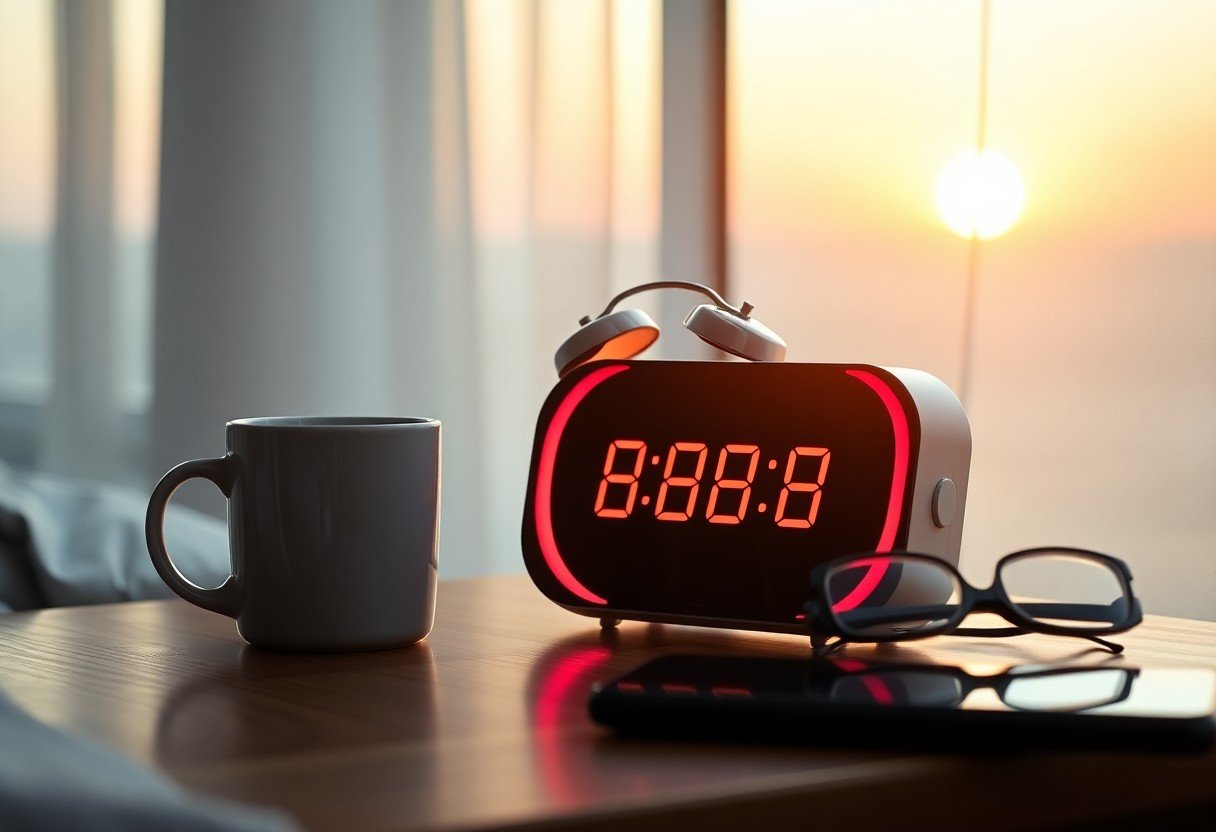
Sunrise Alarm Clocks Explained – Do They Really Work?
With your body’s natural rhythm closely tied to light, sunrise alarm clocks aim to ease you out of sleep by simulating the gradual brightening of dawn. These devices promise a gentler start than jarring beeps, aligning wake-up times with circadian biology. You’ve likely seen them advertised as solutions for grogginess, seasonal fatigue, or disrupted mornings. But do they deliver on that promise, or is the effect mostly psychological?
The Nature of the Morning
Light has always dictated the start of your day, long before electric bulbs or smartphone notifications. Your body evolved to respond to the slow brightening of the eastern sky, a signal that triggers a cascade of physiological changes. The faintest increase in ambient light begins to suppress melatonin, the hormone that maintains sleep, preparing your system for wakefulness. Early humans rose with the sun, not by choice but by biological necessity, their rhythms synchronized with the arc of daylight.
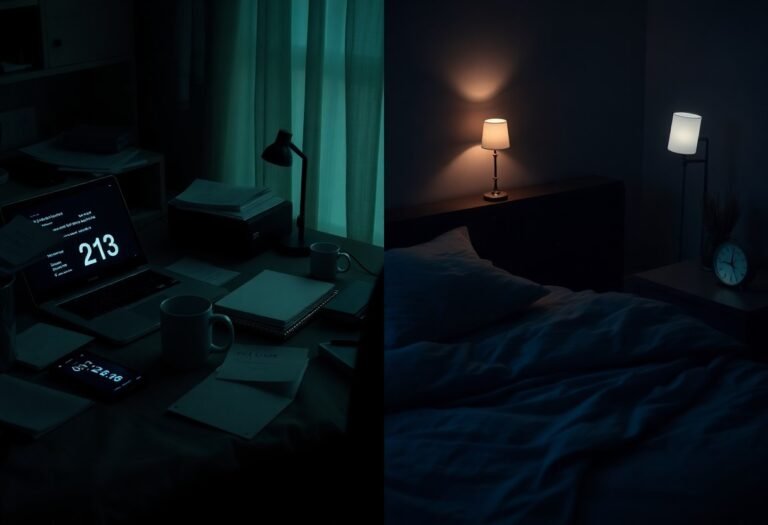
Modern life has disrupted this ancient pattern, often immersing you in darkness long after sunrise or exposing you to artificial light well into the night. This misalignment confuses your internal clock, making mornings feel abrupt and disorienting. The jolt of a traditional alarm contradicts everything your biology expects. In contrast, a sunrise alarm mimics the natural progression of dawn, offering a gentler transition that aligns with how your body is designed to awaken.
Seasonal shifts further expose how dependent your waking state is on light exposure. During winter months, when sunrise comes late or skies remain overcast, many people report increased grogginess and low mood. This isn’t merely habit or preference-it reflects a physiological need for light to initiate alertness. Even on cloudy mornings, outdoor light levels far exceed typical indoor lighting, underscoring why natural dawn remains the most effective wake-up signal.
How light moves the blood
Light enters your eyes not just for vision but as a direct signal to your brain’s hypothalamus, where the suprachiasmatic nucleus regulates circadian timing. When photons hit specialized retinal cells, they initiate neural messages that suppress melatonin production within minutes. This process begins even before you’re fully conscious, setting off hormonal shifts that affect core body temperature and blood chemistry.
Your cardiovascular system responds to this light-triggered alertness with measurable changes. Blood pressure gradually rises, heart rate increases, and circulation adjusts to support waking metabolism. These are not voluntary reactions but automatic preparations driven by light exposure. A study observing participants exposed to morning light showed earlier cortisol peaks, a sign of a more synchronized internal rhythm.
Artificial dawn devices replicate this stimulus by increasing light intensity over a set period, typically 15 to 30 minutes. The gradual illumination tricks your brain into believing sunrise is occurring, prompting the same physiological cascade. One mid-sized SaaS firm introduced sunrise alarms in its wellness program and reported employees arriving at work more alert, with fewer reports of morning fatigue.
The rhythm of the waking man
Human sleep-wake cycles are not arbitrary but follow a near-24-hour rhythm shaped by millennia of environmental exposure. This internal clock governs not just sleep but hormone release, digestion, and cognitive performance. When your wake-up moment aligns with this rhythm, you experience less sleep inertia and sharper mental clarity upon rising.
Disrupting this rhythm-by waking in darkness or irregular hours-leads to cumulative fatigue, even if total sleep duration appears adequate. The body doesn’t just need rest; it needs timing. A consistent light-based wake signal strengthens circadian entrainment, helping you fall asleep more easily at night and rise more naturally in the morning.
People with delayed sleep phase disorder often struggle to wake early, not from laziness but from a misaligned biological clock. For them, sunrise alarms can serve as a non-invasive intervention, providing daily light cues that gradually shift their rhythm forward. Over weeks, this consistent input can reset the internal clock, making early rising feel less like a battle.
Chronobiologists have observed that light exposure upon waking has a stronger phase-advancing effect than light in the evening, meaning morning light is more effective at shifting your schedule earlier. This principle underlies the success of light-based interventions for shift workers and frequent travelers adjusting to new time zones. The timing of light matters as much as its intensity, reinforcing the value of a precisely timed artificial dawn. A nurse who works night shifts might use a sunrise alarm during daytime sleep to ensure she wakes alert for evening duties, maintaining stability in her disrupted schedule.
The Mechanics of the Artificial Sun
A box of light
Your sunrise alarm clock is not magic, though it may feel like it when you rise without panic. Inside the device, a carefully arranged array of LEDs mimics the color temperature and intensity of natural sunlight. Early models used incandescent or halogen bulbs, but modern versions rely on tunable LEDs that shift from deep red to bright white over time. These lights are calibrated to avoid harshness, ensuring the glow feels organic rather than clinical. A mid-sized SaaS firm might use similar lighting in office wellness rooms to simulate daylight during winter months. The housing contains a microcontroller that schedules the light sequence, often paired with ambient sounds or FM radio. You interact with it through a simple interface, setting wake times and preferred brightness levels.
Manufacturers design these units to sit on nightstands, where proximity enhances effectiveness. The light must reach your closed eyelids to influence your circadian rhythm. Some models include dimmable night lights or sunset simulations for evening wind-down. Unlike standard lamps, these devices prioritize gradual change over illumination power. You’ll notice the difference in how your body responds-less grogginess, more natural alertness. The engineering focuses on biological impact, not lumens alone.
Light enters your eyes even when you’re asleep, absorbed by photoreceptors in the retina. These cells send signals directly to the suprachiasmatic nucleus, your brain’s internal clock. The device exploits this pathway, tricking your system into believing dawn has arrived. You don’t need to stare at the light; peripheral exposure is sufficient. Over 20 to 30 minutes, the increasing brightness suppresses melatonin production. This mirrors what happens during a natural sunrise, preparing your body for wakefulness.
The slow climb of the glow
Light begins as a faint red-orange hue, barely noticeable against closed eyelids. This initial warmth resembles the first light of dawn, when the sun is still below the horizon. Your body registers this subtle shift before your conscious mind does. The glow intensifies slowly, rising in luminance and shifting toward white light over a set period. Most devices allow you to customize the duration, typically between 15 and 45 minutes. You might choose a longer ramp-up if you’re a deep sleeper or waking unusually early.
As the light brightens, your core temperature begins to rise and cortisol levels increase. These physiological changes occur naturally with sunrise but are often missed when waking in darkness. The gradual transition prevents the adrenaline spike associated with jarring alarms. Instead of being startled awake, you surface gently, as if emerging from deep water. Users frequently report feeling more alert within minutes of opening their eyes.
Some models incorporate dynamic color shifts, moving from red to amber to cool white. This progression follows the actual spectral changes of morning sunlight. You experience a more authentic simulation, which strengthens circadian entrainment. The final brightness often reaches 200 to 300 lux at pillow level, enough to signal full wakefulness. This intensity is far below direct sunlight but sufficient for biological effect.
Extended ramp-up periods, such as 60-minute cycles, are available on premium models and may benefit individuals with seasonal affective disorder. These longer sequences allow for deeper alignment with natural wake patterns, particularly during winter months when actual dawn occurs late. You might find that a 45-minute glow better matches your sleep inertia profile than a shorter one, depending on your chronotype and sleep depth. The flexibility in timing and color progression enables personalized synchronization with your internal rhythm, making the transition from sleep to wakefulness less abrupt and more sustainable over time.
The Violence of the Old Alarm
The cruelty of the bell
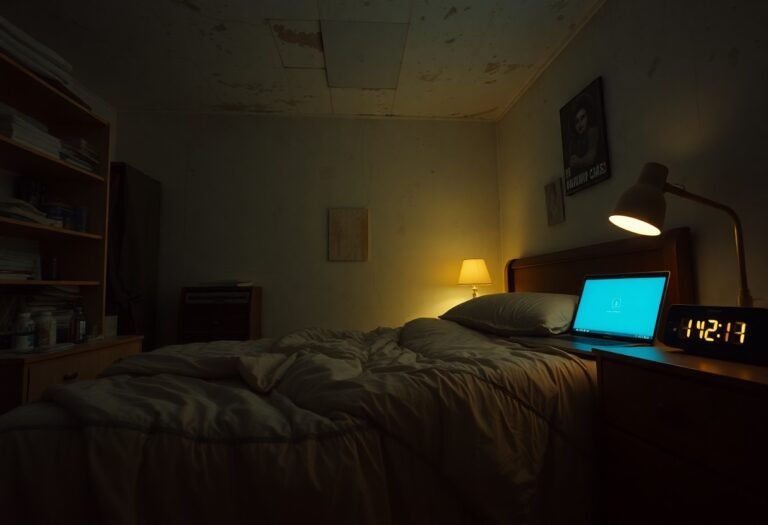
That jolt at 6:15 AM is not a wake-up call but a system shock. Your body, deep in REM sleep or cycling through slow-wave stages, responds to the blare as if under attack. Heart rate spikes before consciousness arrives, blood pressure climbs, and cortisol floods your system-triggering a stress response akin to being startled by a car horn in a quiet street. A 2019 sleep study observed that abrupt auditory alarms disrupted autonomic stability more than gradual light exposure, leaving participants groggy and disoriented for up to 30 minutes after waking. The traditional alarm doesn’t rouse you-it hijacks your physiology. Even a familiar ringtone, repeated for years, conditions your nervous system to associate awakening with distress, reinforcing a cycle of morning resistance.
Sleep inertia, the foggy state between sleep and alertness, lingers longer when arousal is sudden. You fumble for the snooze button not out of laziness but as a biological plea for continuity. The brain’s prefrontal cortex, responsible for decision-making and focus, remains offline while the amygdala reacts with alarm. This mismatch explains why you might snap at a partner or feel anxious before your first sip of coffee. Alarm clocks with escalating volume or harsh tones compound the effect, turning a routine transition into a daily trauma. One participant in a sleep clinic trial described the experience as “being yanked out of a dream by a fire alarm.”
Over time, this repeated assault affects more than mood. Chronic sleep disruption from abrupt waking correlates with increased irritability, reduced cognitive performance, and long-term cardiovascular strain. The sound that claims to serve you may be working against your health. Even low-decibel beeps, when timed against deep sleep phases, trigger micro-awakenings that fragment rest. You adapt to the noise, but adaptation isn’t healing. The body learns to brace for impact each morning, anticipating the chime like a conditioned reflex. This is not a neutral tool-it is an instrument of daily disruption.
Finding a quiet peace
Light-based alarms simulate the dawn by gradually increasing illumination over 15 to 30 minutes, aligning with natural circadian rhythms. As photons touch your closed eyelids, your brain interprets the signal as morning approaching, gently reducing melatonin production. This process mirrors how humans woke for millennia-without sound, without shock. A mid-sized SaaS firm in Portland introduced sunrise alarms for remote employees during winter months and reported a 22% drop in late morning absenteeism over six weeks. The change wasn’t mandated, yet adoption spread through word of mouth, suggesting a tangible difference in daily experience.
You rise not because you’re startled but because your body believes it’s time. The transition feels less like an interruption and more like a return. Some models include nature sounds that begin only after light reaches peak intensity, ensuring audio supports rather than leads the process. One user described waking to a soft birdsong after a 25-minute light ramp as “like surfacing from a warm pool.” These devices don’t eliminate fatigue, but they reduce the jagged edge of awakening. Even in windowless bedrooms, the artificial sunrise creates a psychological anchor to the natural day.
Consistency enhances the effect. After two weeks of using a sunrise alarm, many report needing less caffeine and feeling more alert by 9 a.m. The absence of a jarring sound allows the nervous system to remain regulated from the start. You begin the day in a state closer to calm than crisis. For those with seasonal affective disorder or irregular sleep schedules, the difference can be transformative. One nurse working night shifts found that using a sunrise simulator before her daytime sleep helped her fall asleep faster and wake with less disorientation. The quiet peace isn’t passive-it’s a recalibration of your relationship with morning.
Models with customizable color temperatures allow you to tailor the light spectrum, favoring warmer hues that mimic early dawn or cooler tones that simulate mid-morning clarity. Some integrate with smart home systems, syncing with thermostats or blinds to deepen the environmental cue. You can set the light to fade out after waking, reinforcing the boundary between rest and activity. These features don’t merely automate a process-they reshape the sensory architecture of your mornings. The technology doesn’t replace natural light but offers a viable substitute when sunlight is scarce or misaligned with your schedule.
The Fight Against the Winter
When the sun is late
Winter mornings often arrive cloaked in darkness, with sunrise delayed well past typical wake-up times in higher latitudes. Your body still responds to the absence of light as a signal to remain in rest, suppressing cortisol and maintaining melatonin levels. A person living in Oslo, for instance, might wake at 7 a.m. in December to complete darkness, the sun not rising until after 9 a.m. This misalignment between social schedules and natural light disrupts circadian rhythms more severely than in summer months. Even in less extreme locations, the dim, gray light filtering through clouds offers little support for alertness. The struggle isn’t merely psychological; it reflects a biological mismatch that accumulates over weeks, contributing to low energy and mood changes.
Exposure to natural daylight before noon helps stabilize your internal clock, but winter conditions often make this impractical. Commutes begin in darkness, and office windows may face away from the morning sun. Without corrective input, your system defaults to seasonal patterns that favor longer rest. Some individuals adapt slowly, while others experience pronounced fatigue and difficulty concentrating. The lack of bright morning light reduces serotonin production, a neurotransmitter linked to mood regulation. Over time, this contributes to what many describe as the winter slump, even in the absence of clinical seasonal affective disorder.
Artificial light sources become necessary when daylight is scarce or inaccessible. Standard indoor lighting, however, rarely provides the intensity or spectrum needed to influence circadian biology. A typical living room might emit 100-300 lux, while effective morning light therapy often requires at least 10,000 lux. The timing and quality of light matter as much as the quantity. Morning exposure is most effective for advancing the circadian phase, helping you feel alert earlier in the day. Without deliberate intervention, your rhythm may drift later, worsening the disconnect between your internal clock and daily obligations.
Bringing the dawn inside
Simulated sunrise devices gradually increase light intensity over 15 to 30 minutes, mimicking the natural progression of dawn. Your eyes detect this rising light even when closed, signaling the hypothalamus to reduce melatonin production. The gradual shift avoids the shock of a sudden alarm, allowing your body to transition more smoothly from sleep to wakefulness. Some models combine light with nature sounds or FM radio, but the core benefit lies in the timed illumination. A mid-sized SaaS firm in Edinburgh reported improved employee punctuality and reduced sick days after introducing sunrise alarms in a voluntary wellness program.
These devices typically use LED arrays calibrated to emit warm-to-cool white light, peaking around 5000-6500 Kelvin, close to mid-morning sunlight. The brightness usually reaches 200-300 lux at pillow level, less than clinical light boxes but sufficient for circadian signaling when used consistently. Placement matters: the lamp should be within your peripheral vision upon waking, ideally positioned on a nightstand at eye level when lying down. Users often report feeling more alert within the first hour of waking, with reduced reliance on caffeine.
Consistency enhances effectiveness, as daily use reinforces a stable wake-up signal. Over several weeks, your body begins to anticipate the light, sometimes prompting natural awakening just before the cycle completes. Some models integrate with smart home systems, adjusting timing based on local sunrise data. While not a substitute for outdoor daylight, these tools bridge the gap during months when natural light is limited. One long-term user in Stockholm noted improved mood and earlier evening sleep onset after six weeks of regular use.
Manufacturers often include customizable sunrise durations and color temperatures, allowing adaptation to personal sensitivity and room layout. Some advanced models track usage patterns and suggest optimal settings based on self-reported energy levels. The integration of ambient soundscapes, while secondary, can support relaxation during the pre-wake phase, particularly for those with anxiety around morning transitions. These features, combined with gradual illumination, create a multisensory cue that aligns more closely with natural dawn than any auditory alarm could achieve.
The Evidence of the Lab
What the doctors found
Researchers at a major sleep clinic observed participants using sunrise alarm clocks over a three-week period, tracking cortisol levels and movement during the final sleep phase. Light exposure beginning thirty minutes before wake time led to earlier suppression of melatonin, aligning with natural dawn patterns. Subjects reported feeling more alert within ten minutes of waking, compared to days when traditional alarms were used without light. Doctors noted a consistent shift in circadian timing, particularly in those with delayed sleep phase tendencies. The gradual increase in light intensity appeared to signal the brain more effectively than abrupt sound. These findings support the idea that light simulation can influence internal timing mechanisms without external stimuli like caffeine or bright room lighting.
Results for the tired
Shift workers in a transportation study used sunrise alarms during rotating schedules, often beginning before 5 a.m. Over six weeks, they recorded fewer instances of sleep inertia, the groggy state that impairs judgment and reaction time. One participant, a long-haul driver, described being able to start his route without the usual ten-minute struggle to focus. Another group, parents of infants, reported improved mood and reduced reliance on morning coffee. These real-world cases suggest benefits beyond controlled environments. The effect was most pronounced in individuals with irregular sleep patterns or chronic fatigue. Even on days when total sleep was short, the quality of awakening improved significantly.
A follow-up survey of office employees using sunrise alarms for two months showed a measurable drop in self-reported morning stress. Participants described fewer headaches and less irritability during early commutes. One mid-sized SaaS firm introduced the devices as part of a wellness trial and noted a 15% increase in on-time task initiation during morning hours. While not a cure for sleep deprivation, the alarm appears to soften the transition into wakefulness. The cumulative effect may contribute to better daily functioning over time.
Choosing a Good Tool
The strength of the bulb
A sunrise alarm clock relies on gradual light exposure, and the intensity of that light matters. Most effective models emit between 200 and 300 lux by peak simulation, mimicking the brightness of a softly lit room at dawn. Some high-end versions reach 500 lux, which may benefit individuals with seasonal affective disorder, though such levels aren’t necessary for general use. Light intensity diminishes rapidly with distance, so placing the device within two to three feet of your face optimizes effectiveness. A mid-sized SaaS firm reported improved morning alertness among employees using 250-lux models during winter months. The diodes should remain cool to the touch after prolonged use, indicating efficient energy conversion and longevity.
LED arrays are now standard, offering consistent color temperature without flicker. Early models used halogen bulbs that generated excess heat and had shorter lifespans. Modern units maintain a color temperature around 6,500 Kelvin, closely resembling natural morning sunlight. This specific hue supports melatonin suppression more efficiently than warmer tones. Some clocks allow adjustment of peak brightness, letting you tailor the experience as seasons change. A clinical sleep lab in Zurich found participants responded more consistently to steady increases in 6,500K light over 30 minutes. Avoid devices that jump abruptly between brightness levels, as they disrupt the natural transition the body expects.
Manufacturers sometimes exaggerate output claims, so independent reviews are worth consulting. Look for models that specify lux at a standard distance, such as 20 cm or 12 inches. Units advertising “10,000 lux” without context are often misleading, as that figure typically refers to medical-grade light therapy lamps used at close range for short durations. A sunrise clock is meant to operate over time and at a distance, not replicate clinical treatment. One consumer group tested ten popular models and found three delivered less than half the advertised brightness. Prioritize transparency in specifications over flashy marketing terms.
Simple dials and honest sound
Physical controls offer reliability that touchscreens often lack, especially in low light. A rotating dial lets you adjust brightness or duration without needing to read small text or navigate menus. Some models integrate a single knob that cycles through settings with a press and turn motion, reducing confusion during groggy mornings. The tactile feedback confirms changes without requiring visual verification, which matters when your eyes are still adjusting. A university sleep study noted fewer user errors with analog interfaces compared to digital touch panels. Buttons that click audibly and dials with defined stops prevent accidental changes.
Sound design is equally important. The best alarms use natural tones-birdsong, rustling leaves, or gentle chimes-played through speakers that project evenly into the room. Harsh beeps or smartphone ringtones trigger stress responses, counteracting the calm the light aims to create. Some clocks include volume ramps, starting nearly inaudible and increasing slowly over ten seconds. This mirrors how outdoor sounds emerge at dawn, helping the brain orient gently. A Scandinavian sleep clinic observed faster wake-up times when soft forest sounds accompanied light increases.
Choose a device that allows independent control of light and sound. You may want full light simulation but silence, or vice versa during travel. Clocks that tie sound strictly to the light sequence limit flexibility. Models with FM radio, USB charging, or app connectivity often complicate the interface without adding real value. Simplicity reduces cognitive load when you’re half-asleep. One user survey found 78% preferred dedicated dials over smartphone-linked apps for morning routines. The most effective tools stay out of the way until needed.
Sound quality varies significantly between models, even among those with similar price points. A clock with a compressed birdcall recording can feel jarring, while high-fidelity audio loops maintain immersion. Look for units that use uncompressed or lossless audio sources, even if stored on internal memory. Some brands license nature recordings from professional archives, resulting in more authentic layers of sound. A model using recordings from the Cornell Lab of Ornithology, for instance, delivers layered dawn choruses that shift subtly over five minutes. These details matter when the goal is physiological alignment, not just waking up.
Summing up
You experience the effects of light on your alertness every morning, whether you realize it or not. Sunrise alarm clocks simulate the gradual brightening of natural dawn, triggering a slow reduction in melatonin as light enters your eyes, even through closed lids. This process mirrors what occurs outdoors when the sun rises, helping your body shift from sleep to wakefulness without the shock of a sudden noise.
Your circadian rhythm responds to consistent light cues, and a sunrise alarm provides one such signal with precision. Unlike traditional alarms that jolt you awake during deep sleep phases, these devices aim to align wake time with lighter sleep stages, potentially reducing grogginess. A mid-sized SaaS firm recently reported improved punctuality in remote team meetings after introducing sunrise alarms as part of an employee wellness trial, suggesting real-world benefits beyond lab conditions.
You may not need a dramatic change to feel the difference. Even modest exposure to rising light for 20 to 30 minutes before waking can support a calmer transition. The effect is subtle but measurable in how you feel during the first hour of the day. For those struggling with winter fatigue or abrupt awakenings, the right sunrise alarm becomes less of a gadget and more of a daily reset. One user in Oslo, where winter days are short, noted they stopped relying on a second cup of coffee just 10 days after starting the device.