Sleep Masks Explained – Types, Materials, and Benefits
You block out light every night and still wake up tired, not realizing your sleep mask might be working against you. A well-chosen mask does more than darken the room, it supports your body’s natural rest cycle by aligning with your facial structure, skin sensitivity, and sleeping position. This guide breaks down what actually matters when selecting one.
The Reason for the Shield
Light exposure during sleep can interfere with melatonin production, the hormone responsible for regulating your sleep-wake cycle. Even small amounts of ambient light from streetlamps, electronic devices, or early morning sun can disrupt your body’s ability to enter deep, restorative sleep stages. By creating a physical barrier between your eyes and external light sources, a sleep mask supports the natural rhythm your body relies on for consistent, high-quality rest. This is especially valuable for shift workers, frequent travelers crossing time zones, or anyone sleeping in a brightly lit environment.
Consistent use of a sleep mask may improve sleep efficiency, helping you fall asleep faster and stay asleep longer. A person flying overnight in economy class, for instance, often struggles with overhead lights and cabin activity. Wearing a well-fitted mask in such conditions can simulate nighttime, signaling the brain to remain in sleep mode despite unnatural surroundings. The psychological effect of darkness also plays a role, reinforcing the mental association between pitch-black conditions and uninterrupted rest.
Over time, this practice conditions your body to recognize the mask as a cue for sleep, much like brushing your teeth or dimming the lights. Your nervous system begins to respond to the act of putting it on, easing the transition into relaxation. For those with irregular schedules or heightened light sensitivity, this simple tool becomes a reliable anchor in a variable routine. A mid-sized SaaS firm employee working late-night shifts reported improved alertness the next day after integrating a silk sleep mask into their daytime sleep regimen.
The Morning Light
Morning sunlight streaming through windows can interrupt sleep long before your alarm sounds. Even with curtains or blinds, diffused light often penetrates the room, triggering cortisol release and prematurely signaling wakefulness. A sleep mask blocks this early illumination, preserving the later stages of your sleep cycle, particularly REM, which is crucial for cognitive function and emotional regulation. This is especially beneficial during summer months when daylight arrives earlier.
People living in urban environments face additional challenges due to light pollution from streetlights and neighboring buildings. A contoured foam mask, for example, can prevent pressure on the eyelids while still offering full coverage. Unlike flat designs, this style allows space for blinking and eye movement without compromising darkness. The result is a more natural sleep experience, even in the brightest settings.
For those practicing sleep restriction therapy or managing insomnia, maintaining darkness until the intended wake time supports sleep consolidation. Waking only when you choose, rather than when light hits your face, strengthens your body’s internal clock. A teacher in Seattle found that using a sleep mask during spring months helped her avoid grogginess caused by pre-dawn light filtering into her bedroom.
The Still Night
Nocturnal disturbances from household activity or electronic devices can fragment your sleep, even if you don’t fully wake. A sleep mask contributes to sensory isolation, reducing the impact of sudden light changes like a partner turning on a lamp or a phone notification glowing in the dark. This uninterrupted environment promotes longer sleep cycles and reduces micro-awakenings that degrade rest quality.
Individuals sharing a bed with someone who reads or watches screens at night often benefit most from consistent mask use. A contoured design with flexible side panels can block peripheral light without pressing against the eyes. Memory foam models mold to facial contours, minimizing gaps where light might seep in. These features make a noticeable difference for light-sensitive sleepers.
Some users pair their mask with earplugs or white noise to enhance the sense of stillness. The combination creates a cocoon-like effect, mimicking the ideal sleep sanctuary. A freelance writer in Austin reported fewer nighttime disruptions after switching to a silk-trimmed, adjustable sleep mask that stayed in place throughout the night.
Extended wear tests show that masks with breathable, moisture-wicking linings reduce the likelihood of overheating, a common complaint among long-term users. Natural fibers like silk or bamboo help regulate temperature and minimize friction on delicate skin around the eyes. These materials also resist odor buildup, making them easier to maintain between washes.
The Choice of Fabric
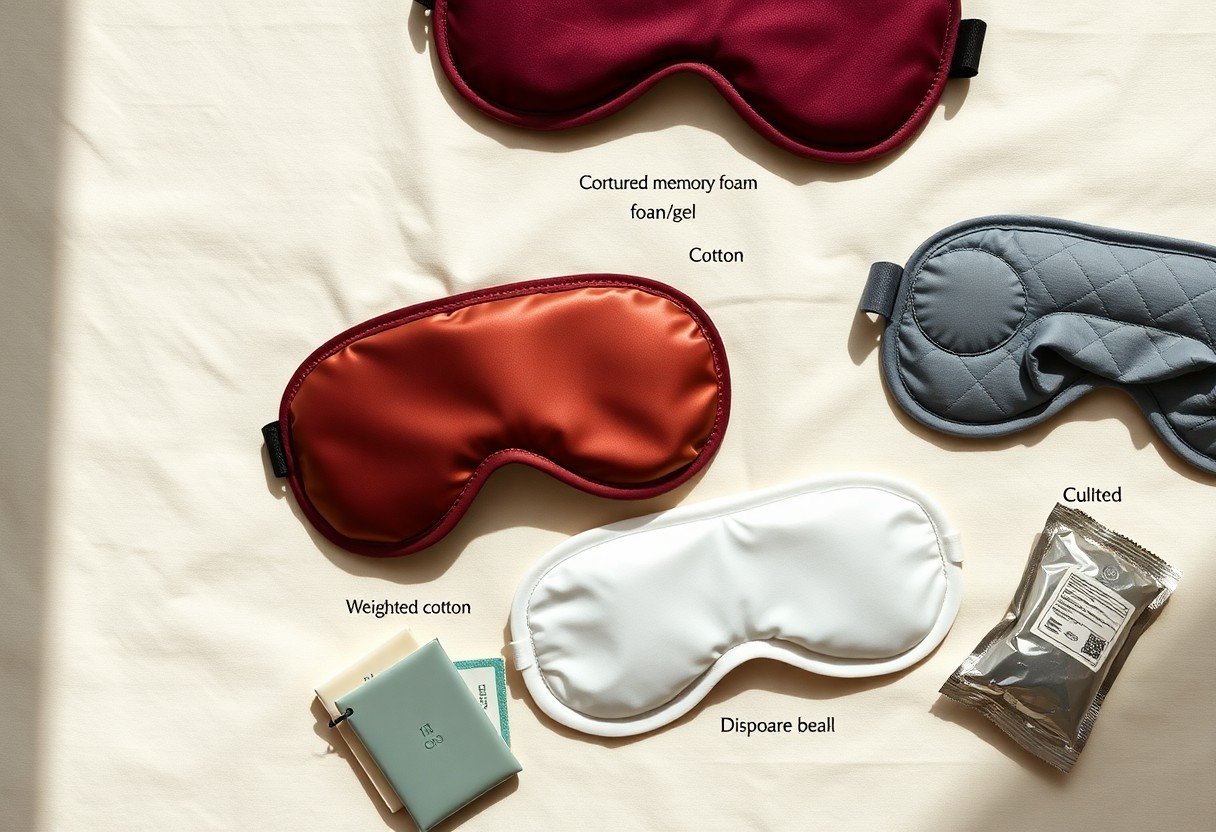
Material directly influences how your sleep mask feels against the skin, how well it blocks light, and how it holds up over time. Choosing the right fabric means balancing softness, breathability, and durability to match your sleeping habits and skin sensitivity. Some materials wick moisture, others resist creasing, and each brings distinct advantages depending on your environment and personal preferences. A mid-sized SaaS firm founder, for example, might prioritize a lightweight, cooling fabric for use during red-eye flights. Your nightly routine and climate play key roles in determining which textile supports uninterrupted rest. Synthetic blends often offer affordability and stretch, while natural fibers tend to excel in comfort and temperature regulation.
Different weaves and finishes alter how the mask interacts with your face and hair. A tightly woven fabric prevents light leakage more effectively than loosely knit alternatives. You may notice less friction with smoother textiles, which can be especially beneficial if you sleep on your side. Some fabrics develop a patina over time, softening with each wash, while others maintain their original texture. Your choice ultimately shapes both immediate comfort and long-term usability.
Seasonal changes can also affect your ideal fabric selection. Heavier materials may feel oppressive in summer, while ultra-thin synthetics might lack insulation during colder months. Breathability becomes critical if you tend to sleep hot or experience night sweats. You’ll want a material that adapts without compromising coverage or comfort.
The Smoothness of Silk
Silk offers a uniquely soft touch that glides over the skin without tugging or irritation. You’ll often find it recommended for those with sensitive skin or a tendency toward facial breakouts, as its natural fibers are less likely to clog pores. The low friction surface also helps reduce sleep creases, making it a favorite among those concerned with skin保养 during rest. Unlike coarser textiles, silk doesn’t absorb moisture from your skin, helping maintain hydration overnight. High-thread-count silk masks typically provide better light blockage due to their density. You may pay more upfront, but the longevity and comfort often justify the investment for frequent users.
Temperature regulation is another strength of silk, keeping you cool in warm rooms and warm in cooler ones. Its natural protein structure allows for subtle breathability without sacrificing opacity. You’ll notice less sticking when shifting positions, which can minimize nighttime disruptions. Some users report fewer instances of frizzy hair upon waking, thanks to the smooth surface reducing friction on strands. This makes silk particularly appealing if you sleep with long or textured hair.
Care requires attention, as silk typically needs hand washing or a delicate machine cycle. Exposure to harsh detergents or high heat can degrade the fibers over time. You’ll need to air dry and store it flat to preserve its integrity. Despite the extra maintenance, many find the sensory experience unmatched.
The Strength of Cotton
Cotton remains a top choice for sleep masks due to its durability and ease of care. You’ll find it in a wide range of weaves, from soft flannel to tightly woven sateen, each offering different levels of comfort and light blocking. Its natural breathability helps regulate temperature, making it suitable for year-round use. Hypoallergenic properties make cotton ideal if you have reactive skin or allergies. A common pick for travelers, cotton masks often withstand repeated washing without significant wear. You can toss them in the machine without worry, a convenience unmatched by more delicate fabrics.
Organic cotton variants add an eco-conscious layer, avoiding pesticides and synthetic dyes. You may notice slight shrinkage after the first wash, but pre-shrunk options minimize this issue. The fabric molds to facial contours over time, improving fit with continued use. Some brands combine cotton with elastic blends to enhance stretch without sacrificing softness. This balance supports both comfort and consistent light blockage.
Thicker cotton weaves provide more structure, which helps prevent the mask from collapsing onto your eyes. You’ll benefit from this if you’re a restless sleeper or prone to eyelid sensitivity. The material’s resilience means it holds its shape even after months of nightly use.
Blends incorporating cotton with a small percentage of spandex improve elasticity while retaining the fabric’s breathability. You’ll experience a snug yet forgiving fit that accommodates different head sizes without pressure points. These hybrids are especially useful if you move frequently during sleep or share a bed, where shifting positions demand flexibility. Cotton’s ability to integrate with other fibers enhances functionality without compromising its core benefits. You’ll find these combinations in many mid-tier and premium models, offering a practical upgrade over 100% cotton in certain use cases.
The Good it Does
Sleep masks do more than block light. They support the body’s natural sleep cycle by creating an environment conducive to melatonin production, especially in spaces where blackout curtains aren’t practical. A traveler on a daytime flight, for instance, can maintain circadian alignment by using a mask to simulate nighttime conditions. This kind of intervention proves effective even in unpredictable environments, from shared hotel rooms to early morning commutes. Light exposure during rest periods disrupts sleep architecture, and consistent use of a mask helps mitigate such interference.
Improved sleep quality often leads to sharper cognitive function the following day. When your brain moves through full sleep cycles without interruption, memory consolidation and emotional regulation improve. People managing shift work or irregular hours report better mood stability and alertness when using a sleep mask nightly. The physical act of covering the eyes can also serve as a psychological cue, signaling the brain that it’s time to wind down. Over time, this reinforces a reliable sleep routine, even in less-than-ideal conditions.
Long-term users note fewer instances of waking due to ambient light changes, such as streetlamps or sunrise. This sustained darkness supports deeper REM phases, which are necessary for mental restoration. A mid-sized SaaS firm introduced sleep masks as part of a wellness initiative for remote employees working across time zones, resulting in self-reported increases in focus and reduced fatigue. While individual results vary, the cumulative effect of undisturbed rest often translates into measurable daily improvements.
The Deep Rest
Complete darkness signals the hypothalamus to maintain low levels of cortisol, the stress-related hormone that can interfere with deep sleep stages. When you wear a sleep mask, the absence of visual stimuli reduces neural activity linked to environmental awareness, allowing the brain to settle into slower wave patterns more efficiently. This shift supports longer periods of slow-wave sleep, the phase most associated with physical recovery and immune function. People with light-sensitive sleep patterns often find they fall asleep faster and stay asleep longer when using a mask consistently.
Your body repairs tissues, builds bone and muscle, and strengthens immunity primarily during deep sleep. Interruptions from light-such as a phone notification or early dawn-can pull you out of this restorative phase prematurely. A well-fitted mask prevents these micro-awakenings, preserving sleep continuity. Individuals living in urban areas with high nighttime light pollution report deeper, more satisfying rest when using masks nightly. The benefit is not just subjective; many notice reduced reliance on caffeine and fewer afternoon energy slumps.
Even partial light exposure through thin eyelids can suppress melatonin by up to 50% in sensitive individuals. A quality mask eliminates this leakage, ensuring hormonal balance remains undisturbed throughout the night. Shift workers, new parents, and frequent flyers benefit significantly from this level of control over their sleep environment. Over weeks of use, the cumulative effect of uninterrupted deep sleep often manifests as improved concentration, emotional resilience, and physical stamina. These changes reflect the body’s ability to restore itself when given consistent, optimal conditions.
The Health of the Eyes
Extended screen exposure before bed can leave your eyes fatigued, and a sleep mask offers a protective barrier that supports ocular recovery. By shielding the eyes from ambient light, the mask reduces strain on the optic nerve and allows the tear film to stabilize without evaporation from air currents. This is particularly helpful for people with mild dry eye or those recovering from prolonged digital use. The gentle pressure of certain masks may also improve circulation around the orbital area, reducing puffiness over time.
Your eyelids alone do not fully block high-energy visible (HEV) light from sources like LED bulbs or electronic devices. Residual exposure can disrupt cellular repair processes in the retina, even when your eyes are closed. A properly opaque mask prevents this leakage, giving retinal cells uninterrupted time to regenerate. Individuals who wear contact lenses or have light sensitivity due to medical conditions often report greater comfort when using a mask nightly. The added layer of protection complements other eye care routines without requiring additional effort.
Some masks incorporate cooling elements or are made with materials that maintain a stable microclimate around the eyes. This helps minimize inflammation and supports lymphatic drainage, especially beneficial after long days or travel. People managing conditions like blepharitis find that consistent use of a clean, breathable mask reduces flare-ups. The physical barrier also discourages unconscious eye rubbing during sleep, a common habit that can introduce bacteria or irritate the cornea. Over time, this contributes to better overall eye hygiene and comfort.
Materials matter when considering eye health. Silk and bamboo-derived fabrics reduce friction against eyelashes and delicate skin, lowering the risk of mechanical irritation. Unlike cotton, these fibers resist moisture absorption, helping maintain a balanced environment that discourages bacterial growth. A mask changed regularly and washed according to manufacturer guidelines prevents the buildup of oils, dead skin,
The Way it Fits
How a sleep mask sits on your face determines both comfort and effectiveness. A poorly fitted mask shifts during the night, letting light seep in and disrupting sleep cycles. You want one that contours to your facial structure without pressing on your eyes, especially if you sleep on your side or move frequently. Memory foam padding, for instance, adapts to facial curves, creating a personalized fit that maintains darkness across positions.
Many users overlook the bridge of the nose when assessing fit, yet this area is critical for blocking light from above. Masks with adjustable nose cups or molded eye cups prevent gaps while avoiding pressure on the nasal bone. A mid-sized SaaS firm employee who transitioned to night shifts reported fewer migraines after switching to a contoured mask with a flexible nose shield, citing consistent darkness as the key factor.
Facial hair, glasses wearers, and those with higher cheekbones face unique fitting challenges. Some masks include dual-layer designs or extended side panels to compensate for irregular contours. You may need to try multiple styles before finding one that stays in place without pinching or sliding.
The Tension of the Strap
Strap tension influences how long you can wear a mask without discomfort. Too tight, and you’ll feel a headache forming within minutes; too loose, and the mask slips off by midnight. Adjustable straps with hook-and-loop fasteners or sliding clips let you fine-tune the fit to your head size and sleeping position.
Elastic bands with wide backing distribute pressure across the back of the head, reducing pressure points behind the ears. Silk or padded straps add another layer of comfort, especially for side sleepers whose ears press into the pillow. You might notice less hair friction and fewer creases in the morning with softer materials.
Some high-end models use stretchable, non-slip silicone inner linings to keep the strap from shifting. These maintain consistent tension even when you turn your head repeatedly. You’ll find this particularly useful if you tend to wake up with the mask around your neck.
The Seal of the Nose
A proper nose seal stops light from entering above the eyes, a common flaw in flat-panel masks. Contoured masks with a built-in nose bridge or dual eye cups create a physical barrier that blocks overhead light sources. You’ll benefit most if you sleep in a room with streetlights or an open door.
Flexible nose inserts, often made of soft foam or bendable wire, mold to your nasal ridge without poking the skin. These allow the mask to sit flush against the face while preserving airflow. You won’t feel suffocated, yet the seal remains intact through multiple position changes.
Some users tape the top edge of their mask to improve the seal, but this isn’t necessary with well-designed models. Look for masks with overlapping flaps or a three-dimensional fit that naturally closes the gap. You’ll maintain darkness without resorting to adhesives.
Individuals with broader nasal bridges may struggle with standard nose seals, leading to persistent light leaks. Masks designed with a deeper nose cavity or customizable foam inserts address this issue by accommodating wider facial structures. You’ll find that a secure nose fit enhances overall comfort, especially during extended use for shift work or long-haul flights.
The Care of the Gear
Washing by Hand
Water temperature plays a key role when cleaning your sleep mask. Use lukewarm water to avoid weakening elastic bands or warping contoured shapes. A small amount of mild detergent dissolves easily and lifts oils without leaving residue. Soak the mask for no more than ten minutes to preserve fabric integrity, especially for silk or memory foam models. Gently press the material between your palms instead of twisting or scrubbing, which can damage delicate fibers. Rinse thoroughly under running water until no suds remain. Residual soap may irritate the skin or attract dust over time. Lay the mask flat on a clean towel and roll it up lightly to draw out excess moisture. Never wring it out, as this distorts padding and seams. Air drying is important-direct sunlight or heat sources can fade colors and degrade textiles. A mesh drying rack allows airflow from all sides, reducing the chance of mildew. For masks with removable inserts, take them out before washing to prevent clumping or shifting. Even frequent users can extend a mask’s life to over a year with consistent hand care.
Storing the Mask
Proper storage prevents deformation and contamination between uses. Keep the mask in a breathable cotton pouch rather than a sealed plastic bag, which traps moisture and encourages bacterial growth. When placed in a drawer or travel case, ensure it lies flat or hangs loosely to maintain its shape, especially if it has molded eye cups. Avoid stacking heavy items on top, as this compresses padding and reduces its ability to block light effectively. For travel, use a rigid compact case to shield the mask from crushing in luggage. Exposure to lotions, hair products, or important oils can transfer to the fabric and degrade its texture over time. Store it away from toiletries to minimize contact with airborne sprays or vapors. A dedicated spot on your nightstand, like a small dish or open tray, makes it easy to find and discourages haphazard tossing. Masks with electronic components, such as those with built-in audio, require extra attention-keep them powered down and in low-humidity areas. Consistent placement also reduces the chance of misplacing straps or losing detachable parts.
Over time, improper storage leads to permanent creases in memory foam and fraying along stress points like strap anchors. A silk mask left crumpled in a pillowcase may lose its luster and begin to snag after just a few weeks. Even synthetic blends, often marketed as durable, suffer from compressed padding if folded tightly in a pocket or purse. Users of contoured blackout masks report diminished light-blocking performance when the eye wells collapse from being stuffed into tight spaces. One traveler noted that after three months of keeping her mask in a zipped makeup bag, the nose bridge no longer sealed properly, allowing early morning light to seep in. A simple fabric-lined box, similar to those used for eyeglasses, offers enough protection without restricting airflow. This method preserves both structure and hygiene across dozens of uses.

Summing up
Sleep masks serve as a practical solution when environmental light interferes with rest, especially in irregular sleep schedules or high-sunlight environments. You benefit from consistent darkness, which supports melatonin production and helps regulate your circadian rhythm, whether you’re traveling across time zones or sleeping during daylight hours. A well-chosen mask aligns with your sleep position and facial structure, minimizing pressure on the eyes while maintaining full coverage.
Materials play a decisive role in comfort and longevity, with memory foam offering contouring support, silk reducing friction for delicate skin, and microfiber providing an affordable, washable option. You may find that adjustable straps prevent slippage without causing discomfort around the ears, particularly if you move frequently at night. Breathable, hypoallergenic fabrics enhance wearability for those with sensitivities or a tendency to overheat.
From blackout performance to ease of maintenance, your ideal mask balances function with personal preference. A traveler using a contoured silk mask on long-haul flights avoids eye creasing and wakes feeling oriented. You preserve the mask’s effectiveness by following care instructions, such as hand-washing delicate materials and replacing worn straps. Over time, this attention extends usability and hygiene, ensuring uninterrupted support for restful sleep.