Mattress Toppers Explained – Types, Materials, and Benefits
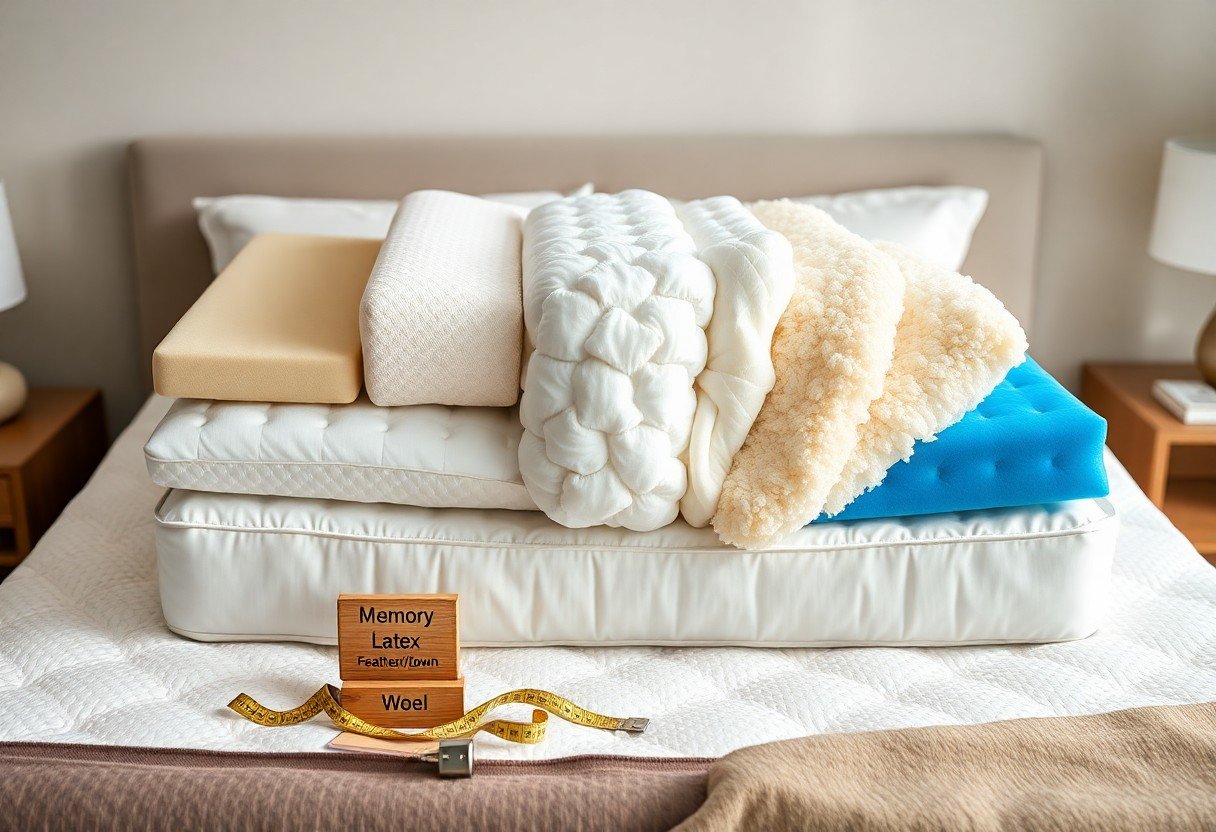
It’s common to wake up with stiffness or notice your mattress has lost its comfort over time, and a topper can transform your sleep surface without the cost of a replacement. You’ll find options in memory foam, latex, feather, down, and wool, each offering distinct support, temperature regulation, and durability traits tailored to different sleep preferences.
The Topper Purpose
Every mattress eventually loses some of its original comfort, no matter how well it was constructed. A topper acts as a cost-effective solution by adding a new layer of cushioning directly on top of your existing mattress. This layer can soften a sleeping surface that’s become too firm or restore pressure relief that has diminished over time, extending the life of your bed without requiring a full replacement.
Temperature regulation is another key reason people choose a topper. Materials like gel-infused memory foam or natural latex help dissipate heat, preventing the uncomfortable warmth that some traditional mattresses trap. You might notice fewer nighttime awakenings due to overheating, especially if you previously slept on a solid innerspring or older foam model.
For those sharing a bed, motion isolation becomes a practical benefit. A quality topper reduces the transfer of movement across the surface, so when your partner shifts or gets up, you’re less likely to feel it. This is particularly helpful in a queen or king-sized bed where sleep disturbances from motion can disrupt light sleepers. A mid-sized SaaS firm relocating its office might prioritize similar efficiency gains, but in your bedroom, the improvement is measured in uninterrupted hours.
Memory Foam Layers
Density and Support Characteristics
You experience deeper contouring when lying on memory foam toppers due to their viscoelastic composition, which responds to body heat and pressure. These layers typically range from 2 to 4 inches in thickness, with higher-density foams offering longer-lasting support and reduced impression wear. A mid-sized SaaS firm employee who sleeps on their side may notice less shoulder and hip discomfort after switching to a 3-inch, medium-density memory foam topper, especially when paired with a firmer base mattress.
Temperature Regulation Innovations
Traditional memory foam has drawn criticism for trapping heat, but newer iterations integrate gel infusions, copper particles, or open-cell structures to improve airflow. You might find that gel-infused variants absorb and dissipate body heat more effectively, creating a cooler sleep surface over time. Some models also use phase-change materials in the cover fabric to stabilize microclimate temperature throughout the night.
Odor and Off-Gassing Considerations
Upon unboxing, you may detect a chemical scent caused by volatile organic compounds released during manufacturing. This off-gassing usually diminishes within a few days when the topper is aired in a well-ventilating room. CertiPUR-US® certified foams reduce harmful emissions, offering a safer option for sensitive individuals or those with respiratory concerns.
Latex Construction
Natural vs. Synthetic Composition
Latex toppers derive from either natural sources, like rubber tree sap, or synthetic compounds, often blended to balance cost and performance. A natural latex topper typically contains at least 95% plant-based material, offering a more sustainable option for environmentally conscious buyers. You may encounter labels specifying Dunlop or Talalay methods, each affecting firmness and consistency. Dunlop tends to be denser and slightly firmer, while Talalay provides a more uniform cell structure and softer feel. Synthetic versions, though less breathable, can offer a lower price point without drastic reductions in durability.
Feel and Support Characteristics
Latex delivers a responsive, buoyant surface that supports spinal alignment without the sinking sensation of memory foam. You’ll notice a slight bounce, making position changes easier during sleep. This elasticity benefits back and stomach sleepers who require consistent support across the torso. A mid-sized SaaS firm’s wellness program once reported improved sleep metrics among employees who switched to latex toppers, citing reduced morning stiffness. The material resists compression over time, often lasting seven years or more with proper care.
Temperature Regulation and Allergen Resistance
Natural latex is inherently breathable, with open-cell structures that dissipate heat more efficiently than many foams. You won’t experience the heat retention common in traditional memory foam, making it suitable for warmer climates or hot sleepers. The material also resists dust mites, mold, and mildew, a benefit for those with sensitivities. Some brands infuse gel or copper particles, though pure latex already provides a hypoallergenic surface without additives. CertiPUR-US certification is not applicable to natural latex, but GOLS or OEKO-TEX certifications confirm purity and safety.
Feather and Down
Natural Softness and Responsiveness
You experience an immediate impression of plush comfort when lying on a feather and down topper, as these natural fillings conform gently to your body’s contours. Unlike synthetic fibers, clusters of down provide a lofty, breathable layer that adjusts with subtle shifts in position. A mid-sized SaaS firm relocating its office might prioritize modular furniture, but you prioritize sleep surfaces that offer both soft support and temperature regulation. These toppers excel in creating a cloud-like sleeping environment, particularly suited to those who prefer a traditional, hotel-style bed feel.
Material Composition and Quality Variation
Not all feather and down toppers are created equal-higher fill power indicates larger, more resilient down clusters that retain loft over time. You’ll encounter blends with a mix of feathers for structure and down for softness, often measured by a ratio such as 80% down to 20% feathers. Some budget models use more feathers, which can create lumps and reduce comfort. To avoid allergens and ensure ethical sourcing, look for certifications like Responsible Down Standard (RDS) when making your selection.
Care Requirements and Longevity
Maintenance plays a decisive role in how long your feather and down topper remains comfortable and hygienic. You must fluff it daily and air it regularly to prevent clumping and moisture buildup. Most models require professional cleaning or a gentle machine wash with tennis balls to restore loft. With proper care, a high-quality down topper can last five years or more, maintaining its soft resilience far longer than synthetic alternatives. One luxury hotel chain, known for its premium bedding, refreshes down toppers annually to ensure guest comfort.
Wool Benefits
You experience natural temperature regulation when sleeping on a wool topper, as the fibers effectively wick moisture and release heat during warmer phases of your sleep cycle. Unlike synthetic materials that trap warmth, wool adapts dynamically to your body’s needs, keeping you comfortable in both winter and summer months. A mid-sized SaaS firm relocated its wellness program to include wool bedding for employees working night shifts, citing improved rest quality in internal feedback.
Natural wool resists dust mites and mold due to its lanolin content, offering a hypoallergenic layer that supports sensitive sleepers. This inherent resistance reduces the need for chemical treatments, aligning with eco-conscious bedroom environments. Many organic certification standards specifically recognize untreated wool as a sustainable material, reinforcing its role in non-toxic sleep setups.
Wool’s resilience contributes to long-term support, maintaining loft and shape far longer than down or low-density foams. You’ll notice consistent comfort over years, with high-quality wool toppers often lasting a decade or more under proper care. Australian Merino wool, frequently used in premium models, exemplifies this durability while remaining soft against the skin.
Sleep Improvements
Many users report deeper, more uninterrupted sleep after introducing a quality mattress topper. Your body responds well to the added pressure relief, especially if you sleep on your side or have joint sensitivities. A properly chosen topper aligns your spine by cushioning hips and shoulders, reducing the need to shift positions throughout the night. People with a mid-sized SaaS firm work schedule, often dealing with late-night stress and irregular hours, find this stability helps them fall asleep faster.
Temperature regulation plays a major role in sleep quality, and certain toppers enhance airflow better than others. Wool and latex models wick moisture and dissipate heat, preventing the overheating that disrupts REM cycles. You may notice fewer night sweats and a more consistent sleep temperature, particularly in warmer climates or during seasonal transitions. Cooling gel-infused memory foam also offers relief, though its effect may diminish over time.
Over several weeks, your sleep architecture can shift toward longer restorative phases. You wake less from pressure points or mattress sag, and your muscles recover more efficiently. One user with chronic lower back discomfort noted a visible reduction in morning stiffness after six weeks with a medium-firm latex topper. These incremental gains compound, turning restless nights into consistent, high-quality rest.
Summing up
You now understand how mattress toppers adapt to your sleep needs through distinct materials, each offering unique support and comfort characteristics. Memory foam contours closely, reducing pressure on joints, while natural latex provides responsive buoyancy and breathability, ideal for those who sleep hot. Feather and down options deliver a plush, moldable surface, best suited for individuals seeking softness over structured support.
Wool toppers regulate temperature naturally, wicking moisture and maintaining a stable microclimate throughout the night. Their durability and hypoallergenic properties make them a practical long-term addition, especially in fluctuating climates. A mid-sized SaaS firm employee working late hours might find wool’s thermal balance supports more consistent rest despite irregular sleep schedules.
Your choice ultimately aligns with your sleeping position, body type, and sensitivity to heat or allergens. A side sleeper with shoulder pain may benefit from a medium-thick memory foam layer, while a back sleeper preferring firm support might opt for a thinner latex topper. Real user feedback shows long-term satisfaction rises when material selection matches personal sleep mechanics, not trends.