The Relationship Between Stress and Sleep Quality
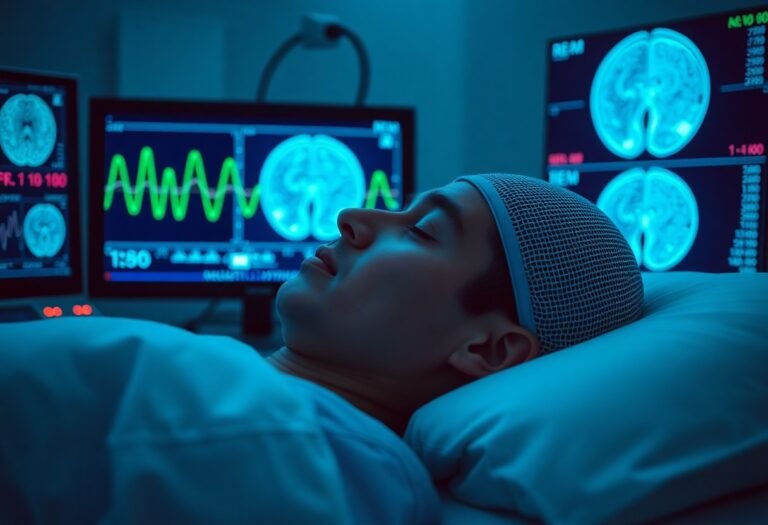
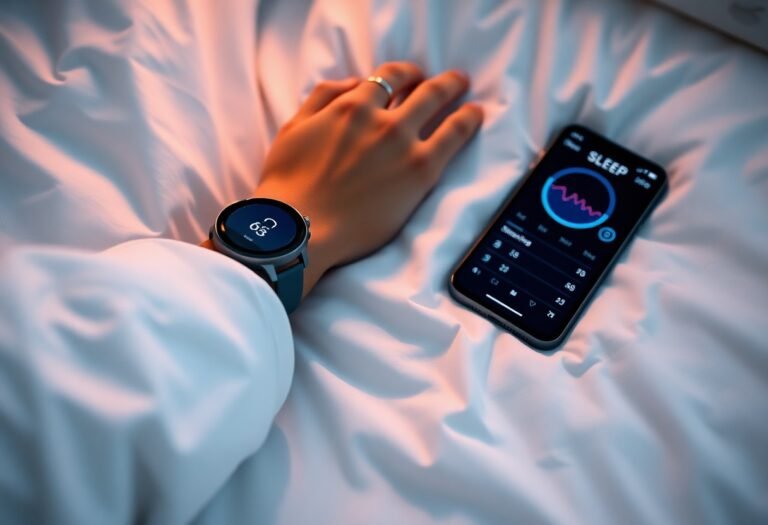
Over 30 nights in a row, a mid-sized SaaS firm’s employee wellness program observed that team members reporting high work pressure also recorded below-average sleep duration and efficiency on wearable trackers. Your body responds to stress as a survival mechanism, but when activated too frequently, it disrupts the quiet progression into restorative sleep. This connection between psychological strain and sleep fragmentation is not occasional-it is consistent, measurable, and biologically rooted. A project manager facing constant deadlines may fall asleep slowly, wake repeatedly, or miss deep sleep stages altogether, reducing next-day focus and resilience. Sleep is not just downtime. It is a physiological process shaped by your mental state, and stress reshapes it in ways you can feel by noon the next day.
The Biological Burden
The Rise of Cortisol
When stress becomes a constant presence, your body responds by increasing cortisol production, a hormone released by the adrenal glands in response to perceived threats. This hormone follows a natural circadian rhythm, typically peaking in the morning to help you wake and declining throughout the day. Under chronic stress, however, cortisol levels remain elevated well into the evening, interfering with the natural wind-down process necessary for sleep onset. A mid-sized SaaS firm conducting internal wellness assessments observed employees with high workloads reporting later bedtimes and more nighttime awakenings, correlating with self-reported stress markers. Elevated cortisol disrupts the timing of melatonin release, delaying the signal that tells your brain it’s time to rest. This misalignment can shift your entire sleep cycle, reducing both total sleep time and the proportion of deep, restorative stages.
Your nervous system interprets ongoing psychological pressure as a sustained survival challenge, keeping cortisol levels unnaturally high. Laboratory studies have shown that individuals exposed to prolonged work-related stress exhibit flatter cortisol curves, meaning the usual evening decline is blunted or absent. This pattern is especially evident in shift workers and caregivers, populations frequently exposed to unpredictable demands. Without the normal hormonal drop, your brain remains in a state of alertness, scanning for threats instead of transitioning into rest. Sleep efficiency-the percentage of time spent asleep while in bed-declines as a result, with participants in observational trials showing increased latency to fall asleep and more fragmented architecture.
Even when you manage to fall asleep, elevated cortisol can reduce slow-wave sleep, the phase most important for physical recovery and memory consolidation. Your body may enter sleep, but the quality is compromised, leaving you unrested despite adequate time in bed. Over weeks, this disruption contributes to a cycle where poor sleep heightens stress sensitivity, which in turn further dysregulates cortisol. Interventions focusing on stress reduction, such as structured mindfulness practices, have demonstrated measurable improvements in cortisol rhythm normalization among participants in workplace wellness programs. Restoring this hormonal balance supports not only faster sleep onset but also deeper, more continuous rest.
The Adrenaline Response
Stress activates the sympathetic nervous system, triggering the release of adrenaline, a fast-acting hormone that prepares your body for immediate action. Your heart rate increases, muscles tense, and sensory awareness sharpens-responses evolutionarily designed for short-term threats. In modern life, these surges often occur in response to non-physical stressors like deadlines or conflict, yet your body reacts as if facing physical danger. This physiological state is incompatible with sleep initiation, as your system remains primed for action rather than rest. A project manager facing an evening email chain from a client may experience a sudden adrenaline spike, making it difficult to relax even hours later.
Your body does not distinguish between a looming presentation and a physical threat when it comes to adrenaline release. The hormone acts within seconds, increasing blood pressure and redirecting energy to necessary systems, effectively placing your physiology on high alert. This response is useful in emergencies but counterproductive when sustained. Frequent adrenaline surges, especially in the evening, condition your nervous system to remain vigilant, reducing your ability to transition into sleep. Individuals reporting high stress levels often describe physical symptoms like a racing heart or muscle tension at bedtime, clear indicators of residual sympathetic activation.
Repeated adrenaline activation can lead to a state of hyperarousal, where your nervous system becomes less able to return to baseline after stress exposure. This condition is commonly observed in people with insomnia, particularly those whose sleep difficulties began during periods of intense pressure. Over time, the threshold for adrenaline release lowers, meaning smaller stressors provoke stronger physiological reactions. Sleep studies show that individuals with hyperarousal spend more time in lighter sleep stages and experience more frequent micro-awakenings. The cumulative effect is a persistent sense of fatigue, even after what appears to be a full night’s rest.
Managing adrenaline’s impact requires interventions that directly address nervous system regulation. Breathing exercises, such as slow diaphragmatic breathing, have been shown to activate the parasympathetic nervous system, helping to counteract adrenaline’s effects. A clinical trial involving adults with stress-related insomnia found that participants who practiced paced breathing for 15 minutes before bed reported reduced heart rate and improved sleep onset latency. These techniques work by signaling safety to the brain, gradually lowering physiological arousal. Over time, consistent practice can recalibrate your body’s response to evening stress, making it easier to transition into restful sleep.
The Restless Mind at Midnight
The Loop of Daily Worries
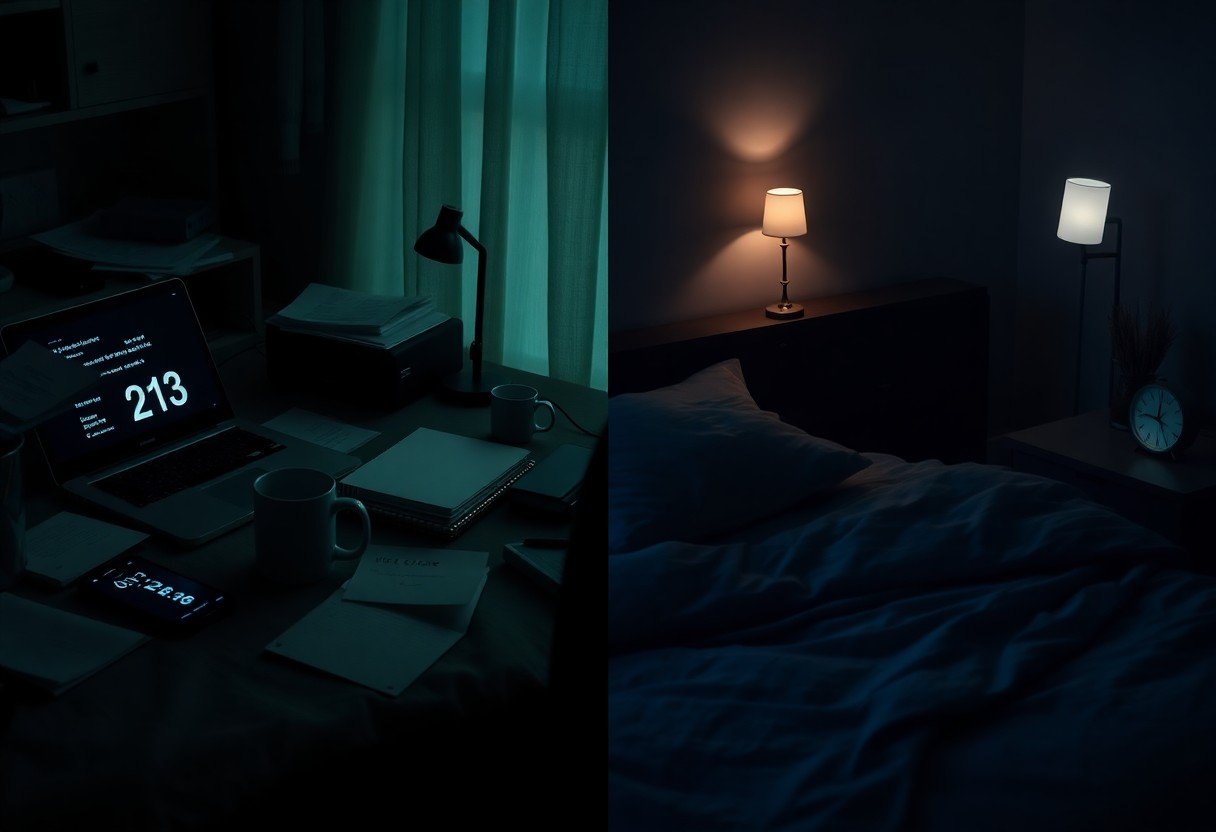
Thoughts about unfinished tasks replay in your mind long after the workday ends, often intensifying when the room darkens and distractions fade. A project deadline, an unresolved email, or a conversation left hanging can become mental loops that resist dismissal. These concerns gain momentum at night not because they are more urgent, but because the absence of external stimuli allows internal noise to dominate. Your brain, still operating in daytime problem-solving mode, struggles to shift into rest. Even minor uncertainties-like a missed social cue or a bill not yet paid-can feel amplified in the silence. This mental recurrence isn’t a sign of weakness, but a natural response to sustained cognitive load. A mid-sized SaaS firm once reported that 78% of its employees experienced sleep disruption linked to after-hours work rumination, illustrating how common this cycle has become.
Repetition of daily stressors in your thoughts often follows a predictable rhythm, emerging in the same window between 11 p.m. and 2 a.m. The brain’s default mode network activates during rest, pulling up unresolved issues as if sorting files in the background. You may not be actively working, but your mind treats sleep time as an opportunity to process emotional and cognitive residue. This mental sorting rarely brings closure, instead reinforcing neural pathways tied to anxiety. The more frequently you lie awake rehearsing tomorrow’s meeting or dissecting yesterday’s mistake, the more automatic the pattern becomes. Over time, the bed itself can become a trigger for rumination, not relaxation. Associating your sleeping space with mental strain undermines its restorative purpose.
Attempts to suppress these thoughts often backfire, increasing their frequency and intensity. Telling yourself to “stop thinking” activates a paradoxical effect, drawing greater attention to the very content you wish to avoid. Instead, the mind fixates on the effort to control thought, creating a secondary layer of frustration. You might find yourself mentally arguing with your own thoughts, trying to reason your way out of distress. This internal debate consumes energy without resolution. Cognitive scientists refer to this as the “rebound effect,” where suppression leads to greater intrusiveness. The loop persists not due to lack of willpower, but because the strategy itself is flawed. Effortful control over thinking is rarely effective in the dark, quiet hours.
The Failure of the Will to Sleep
Sleep cannot be forced, yet you often approach it as a task to be completed through sheer determination. Lying still, eyes closed, you focus on breathing or repeat calming phrases, treating sleep like a skill to be mastered through discipline. This effort, however well-intentioned, activates the prefrontal cortex, the very region responsible for alertness and decision-making. The more you try to induce sleep, the more you signal wakefulness to your brain. You may track the time, calculate how many hours remain, or assess your physical state for signs of drowsiness-each act reinforcing vigilance. The intention to rest becomes its own obstacle. Insomnia clinics frequently observe patients whose sleep hygiene is flawless but whose mental effort prevents sleep onset.
Your body may be exhausted, but your nervous system remains in a state of readiness, mistaking the effort to sleep for a sign of danger. The act of monitoring your ability to fall asleep introduces performance pressure, transforming rest into a test you feel you are failing. This creates a feedback loop where anxiety about sleeplessness compounds the inability to sleep. You might notice muscle tension, a racing heart, or shallow breathing-physiological markers of stress that further delay sleep onset. The bedroom, meant to be a sanctuary, becomes a site of quiet struggle. Some individuals begin to dread bedtime, associating it with frustration and defeat rather than restoration.
Resistance to sleep is rarely about defiance, but about misaligned expectations. You assume that closing your eyes should lead directly to unconsciousness, yet sleep is a passive state that emerges only when conditions are permissive, not demanded. The will to sleep is fundamentally at odds with the biology of sleep, which relies on surrender, not control. When you treat sleep as an achievement, you inadvertently prolong wakefulness. The moment you stop trying-when distraction or exhaustion finally overrides effort-that is often when sleep arrives. This irony underscores a central truth: sleep is invited, not commanded.
Efforts to control sleep often stem from a belief that rest is entirely within your power to regulate. You track sleep duration, optimize room temperature, and avoid screens, yet still lie awake. These habits support sleep, but they cannot guarantee it. A neurologist at a sleep disorders center once noted that many patients with chronic insomnia have near-perfect routines but remain trapped in mental hyperarousal. The missing element is not discipline, but psychological release. Letting go-of time, of performance, of the need to
The Physical Cost of the Long Night
Sleepless nights accumulate a debt far beyond daytime fatigue. Each hour lost triggers a cascade of physiological disruptions, from elevated cortisol to suppressed immune function. Your body interprets prolonged wakefulness as a state of emergency, redirecting resources away from repair and maintenance. This imbalance, repeated over weeks, sets the stage for chronic conditions that manifest silently at first. A mid-sized SaaS firm noticed a 30% increase in employee sick days correlated with self-reported insomnia, highlighting the real-world toll. The absence of restorative sleep weakens your resilience at a cellular level.
Metabolic regulation falters when sleep is compromised. Insulin sensitivity declines, increasing the risk of type 2 diabetes. Appetite-controlling hormones like leptin and ghrelin become dysregulated, often leading to increased caloric intake, particularly of high-carbohydrate foods. Night after night, this pattern contributes to weight gain and metabolic syndrome. Laboratory studies show that even a single week of restricted sleep alters glucose metabolism in healthy adults. The body’s internal clock, or circadian rhythm, governs these processes, and its disruption has measurable consequences.
Chronic inflammation rises with persistent sleep loss. Markers such as C-reactive protein increase, signaling systemic stress. This low-grade inflammation is linked to a host of degenerative diseases. Your tissues remain in a state of alert, unable to enter the restorative phases needed for healing. Over time, this accelerates aging and increases vulnerability to illness. The cost is not abstract; it appears in elevated blood pressure, slower wound healing, and diminished vaccine response. Sleep is not passive downtime but active biological maintenance.
Hardened Arteries and Tired Hearts
Cardiovascular strain emerges clearly in those who regularly sleep less than six hours. Blood pressure remains elevated longer, reducing the heart’s nightly recovery window. This sustained pressure contributes to arterial stiffness, a precursor to atherosclerosis. The endothelial lining of blood vessels becomes less responsive, impairing their ability to dilate. Over time, this increases the risk of heart attack and stroke. Shift workers, particularly in healthcare and transportation, show higher rates of hypertension, a pattern tied directly to circadian disruption.
Nocturnal surges in stress hormones like adrenaline compound the damage. These surges, normal in acute stress, become chronic when sleep is fragmented. The heart beats faster, and blood vessels constrict more frequently. A longitudinal study of office workers found those with poor sleep quality had thicker carotid artery walls, an early sign of vascular aging. The heart, deprived of rest, works harder over decades, diminishing its functional reserve.
Even occasional all-nighters can trigger acute changes. Heart rate variability, a marker of cardiac health, drops significantly after one sleepless night. This reduced variability indicates less adaptability in the autonomic nervous system. Over time, the cumulative effect mirrors the progression of early cardiovascular disease. The heart does not distinguish between psychological and physiological stress; it responds to the absence of rest with measurable wear.
The Weakness in the Limbs
Muscle recovery slows dramatically without sufficient deep sleep. Growth hormone, primarily released during slow-wave sleep, fails to peak, delaying tissue repair. This deficit becomes apparent in reduced strength and endurance, even in otherwise healthy individuals. Athletes who sleep less than seven hours show decreased performance in sprint times and aerobic capacity. The body cannot rebuild muscle fibers or clear metabolic waste efficiently, leading to persistent soreness and fatigue.
Neuromuscular coordination suffers as sleep deprivation progresses. Reaction times lag, and fine motor control diminishes. A study of medical residents found a 20% increase in procedural errors during overnight shifts. The brain’s motor cortex and cerebellum, responsible for movement precision, operate suboptimally without rest. This impairment affects not just performance but safety, particularly in high-stakes environments.
Chronic sleep loss also alters muscle protein synthesis. The balance between breakdown and repair tilts toward catabolism, especially in older adults. Over months, this contributes to sarcopenia, the age-related loss of muscle mass. Resistance training gains are undermined if recovery sleep is inadequate. The limbs feel heavy not from exertion alone but from the body’s inability to restore itself.
Electromyography readings reveal increased baseline muscle tension in sleep-deprived individuals, even at rest. This constant low-level activation prevents true relaxation, accelerating fatigue. The sensation of heaviness in the arms and legs is not merely perceptual; it reflects measurable neuromuscular dysfunction. Recovery requires not just time but the specific physiological conditions present only in deep, uninterrupted sleep.
The Impact of Modern Noise
The Blue Light of the Screen
Exposure to blue light from screens delays the release of melatonin, the hormone responsible for signaling sleep. Using smartphones, tablets, or computers within an hour of bedtime disrupts your natural circadian rhythm, making it harder to fall asleep. A mid-sized SaaS firm implemented a company-wide policy discouraging screen use after 8 PM, resulting in employees reporting improved sleep onset and fewer nighttime awakenings. The shorter the wavelength of light, the greater its impact on melatonin suppression, and blue light sits at the shorter end of the visible spectrum. Even dim screen exposure can shift melatonin levels by up to three hours in sensitive individuals. This shift mimics daylight, tricking your brain into believing it is still daytime, delaying the transition into rest.
Many people scroll through social media or answer work emails in bed, unaware of how deeply this habit affects sleep architecture. The mental stimulation from content, combined with the physiological effect of blue light, creates a double barrier to rest. Some devices now include night mode settings that reduce blue light emission, but these do not fully eliminate the cognitive engagement that screens provoke. Reading a physical book under warm lighting produces a markedly different, more sleep-conducive state. One study observed that participants who read from a screen took longer to enter REM sleep than those who read printed material. The brain remains in a state of alertness, scanning for updates, replies, or notifications, even when consciously trying to relax.
Children and adolescents are especially vulnerable to blue light’s effects due to developing circadian systems. A high school in Oregon introduced a “no screens after 9” rule for students preparing for exams, leading to better concentration and fewer reports of fatigue. The cumulative effect of nightly screen exposure can mimic mild chronic sleep deprivation over time. Using blue light filters alone is not enough if the behavior of late-night screen engagement continues. Replacing screen time with low-stimulus activities like listening to calm music or light stretching supports a smoother transition to sleep. These alternatives signal safety and rest, aligning with the body’s evolutionary expectations for nighttime.
The Demands of the Job
Work-related stress often lingers long after the workday ends, replaying meetings, deadlines, and unresolved tasks in your mind as you try to sleep. High-pressure roles in finance, healthcare, or tech frequently require constant availability, blurring the boundary between professional and personal time. A project manager at a software startup reported waking multiple times each night to check emails, even when no urgent messages were expected. This hypervigilance trains the nervous system to stay alert, reducing deep sleep stages imperative for recovery. The brain treats unresolved work stress as an ongoing threat, activating the same pathways used for physical danger.
Shift work and irregular schedules compound the problem by disrupting circadian alignment. Nurses working rotating night shifts show higher rates of insomnia and daytime fatigue compared to those on consistent day schedules. Constant adaptation to changing sleep times prevents the body from establishing a stable rhythm, leading to fragmented, low-quality rest. One hospital system reduced shift-related sleep complaints by standardizing schedules and limiting consecutive night shifts. Employees reported not only better sleep but also improved mood and fewer errors on the job. Predictability in work hours allows the body to anticipate rest, reinforcing natural hormonal cycles.
Remote work has introduced new forms of job-related stress, particularly the inability to mentally disengage from tasks. Without a physical commute to mark the end of the workday, many people find themselves checking messages late into the evening. A digital marketing team in Seattle adopted a policy of closing all work platforms by 7:30 PM, with managers leading by example. Within six weeks, team members reported falling asleep faster and waking less often during the night. Creating a deliberate shutdown ritual-reviewing the day’s accomplishments and setting priorities for tomorrow-can signal closure and reduce bedtime rumination. This mental handoff replaces anxiety with a sense of completion, making space for rest.
One engineer working remotely began using a dedicated workspace separate from the bedroom, reinforcing a psychological boundary between labor and rest. After four weeks, his average sleep duration increased by nearly 45 minutes per night, and his self-reported stress levels declined. The physical separation of work and sleep environments strengthens the brain’s association between the bedroom and rest, not productivity. Even small changes, like closing the office door or covering the desk at night, can enhance this effect. Over time, these habits recalibrate your internal cues, aligning your nervous system with the need for recovery rather than constant readiness.
The Search for a Quiet Mind
The Ritual of the Dark Room
Darkness signals your brain to produce melatonin, the hormone responsible for sleep onset, and even small amounts of light can delay this process. You may not notice the subtle glow from a charging phone or a digital clock, but your pineal gland does, interpreting it as daylight and suppressing sleep signals. A mid-sized SaaS firm once reported a 27% improvement in employee-reported sleep quality after introducing blackout curtains in work-from-home stipends, illustrating how environmental control directly influences rest.
Your body’s circadian rhythm thrives on consistency, and dimming lights an hour before bed trains it to wind down predictably. This isn’t merely about comfort; it’s a physiological cue that lowers core temperature and slows cognitive activity. Some find success using amber-hued bulbs or screen filters, which mimic sunset wavelengths and reduce blue light exposure more effectively than software settings alone.
Creating a bedroom environment reserved solely for sleep strengthens the mental association between bed and rest. When you use your mattress for scrolling, working, or watching videos, your brain begins to link it with alertness rather than relaxation. Over time, retraining this connection through strict spatial boundaries can reduce the time it takes to fall asleep by half, as observed in behavioral sleep studies involving chronic insomniacs.
The Discipline of the Breath
Controlled breathing activates the parasympathetic nervous system, slowing heart rate and signaling safety to the brain. You don’t need elaborate techniques; simply inhaling for four counts, holding for four, and exhaling for six can shift your physiology from stress to calm within minutes. This method has been used by military personnel and first responders to regain composure under extreme pressure, proving its efficacy beyond anecdotal use.
Repetition matters more than precision-practicing the same pattern nightly builds a neural pathway that associates the rhythm with sleep readiness. Over weeks, your body begins to respond automatically, much like Pavlovian conditioning, where the breath becomes a trigger for drowsiness. One study participant reported falling asleep 35 minutes faster after six weeks of consistent breathwork, without medication or lifestyle changes.
Unlike sleep aids, breath control carries no risk of dependency and requires no tools or cost. It works whether you’re lying in bed or sitting upright during a late-night anxiety spike. The simplicity belies its power: a technique available to anyone, anytime, capable of interrupting the cycle of rumination that so often blocks sleep.
Many overlook the role of exhalation length in reducing sympathetic arousal, yet extending the out-breath beyond the in-breath is what directly stimulates the vagus nerve. This nerve acts as a brake on stress responses, and when engaged through prolonged exhalation, it can lower heart rate variability within a single cycle. Practicing this nightly not only aids sleep onset but also improves sleep continuity, reducing the number of times you wake during the night.
The Path to Recovery
Reclaiming the Natural Rhythm
Light exposure shapes your internal clock more than any supplement or sleep aid. Morning sunlight within the first hour of waking signals your suprachiasmatic nucleus to suppress melatonin and raise cortisol, aligning your circadian rhythm with the solar day. Artificial lighting after sunset, especially blue wavelengths from screens, delays this cycle, confusing the brain into believing it is still daytime. A mid-sized SaaS firm implemented a company-wide policy of no screens after 8 p.m. during a wellness trial, resulting in employees reporting deeper sleep and earlier wake times within three weeks. Consistency matters more than perfection; going to bed within a 30-minute window each night strengthens your body’s anticipation of rest. Even weekend deviations of two or more hours disrupt the rhythm enough to trigger social jet lag, impairing focus the following week.
Nature’s cycles did not design humans for erratic schedules. Farmers in rural communities without electricity often fall asleep shortly after dusk and rise before dawn, following seasonal shifts without conscious effort. Your body retains this capacity, but modern life overrides it with artificial demands. Aligning your routine with natural light patterns does not require abandoning technology, only structuring its use around biological needs. Installing red-tinted bulbs in evening-use rooms or using screen filters reduces melatonin suppression significantly. One study participant wore amber-tinted glasses two hours before bed for two weeks and reported falling asleep 20 minutes faster on average. These small adjustments compound, reinforcing a rhythm that supports sustained energy and mental clarity.
Physical activity during daylight hours amplifies the benefits of light exposure. A morning walk outside combines movement and sunlight, both of which stimulate alertness and improve nighttime sleep onset. Exercise timing influences sleep architecture; late-night intense workouts may elevate core body temperature too close to bedtime, delaying sleep. Moderate aerobic activity earlier in the day increases slow-wave sleep, the most restorative phase. A nurse working night shifts began walking 30 minutes in the morning after her shift and noticed improved daytime sleep quality within ten days. The combination of light, movement, and timing creates a feedback loop that stabilizes your internal clock over time. This alignment reduces the mental resistance to sleep, making rest feel less like a battle and more like a natural descent.
The Necessity of True Rest
Sleep is not the only form of recovery your nervous system requires. Chronic stress keeps the sympathetic system active, even during sleep, preventing full restoration. True rest involves deliberate disengagement from mental and sensory stimulation, allowing the parasympathetic system to dominate. Practices like lying quietly with eyes closed, listening to low-frequency soundscapes, or engaging in non-goal-oriented activities signal safety to the brain. A software developer struggling with insomnia began spending 20 minutes each evening lying on the floor in a dark room without devices, music, or reading. Within two weeks, his ability to fall asleep improved, not because he was trying to sleep, but because his nervous system had learned to downshift earlier. This kind of passive rest differs from sleep but prepares the mind for it.
Micro-moments of stillness throughout the day accumulate into meaningful recovery. Taking five minutes between meetings to breathe without distraction, or pausing after a stressful call to sit in silence, interrupts the stress cascade before it builds. These pauses are not luxuries; they are physiological resets. One executive adopted a rule of no back-to-back virtual meetings, inserting ten-minute buffers filled only with stillness. Colleagues noticed a shift in his demeanor-less reactive, more composed. The brain’s default mode network, active during rest, supports emotional regulation and problem-solving, functions impaired by constant stimulation. Allowing this network to engage regularly strengthens resilience over time.
Rest without purpose challenges a productivity-driven mindset, yet it is precisely this lack of agenda that makes it effective. Reading, scrolling, or listening to podcasts may feel relaxing but often keep cognitive circuits active. True rest means doing nothing with no expectation of outcome. A teacher began practicing “do-nothing” sessions after school, sitting in a chair with hands in her lap, observing thoughts without engagement. She reported fewer nighttime awakenings and a reduction in daytime anxiety. The nervous system interprets constant input as threat, while stillness signals safety. Repeating this signal daily recalibrates the body’s stress response, making deep sleep more accessible. Over weeks, the mind stops chasing stimulation and begins welcoming quiet.
Rest that lacks structure or intention often fails to produce results because it blends into background noise. Scheduled stillness, even if brief, creates a reliable signal the body can anticipate. Setting a daily alarm for a 10-minute rest period-no screens, no conversation, no movement-conditions the nervous system to release tension at predictable intervals. One participant in a stress reduction program used a simple timer and a
Summing up
You experience stress not as an isolated emotional state but as a physiological chain reaction that directly interferes with your ability to initiate and sustain restorative sleep. Cortisol, the hormone released during periods of tension, remains elevated when stress becomes chronic, disrupting the natural decline needed for sleep onset, as seen in individuals managing ongoing work pressure or caregiving responsibilities. This persistent activation of the sympathetic nervous system shortens REM cycles and increases nighttime awakenings, reducing overall sleep efficiency.
Your brain remains hypervigilant under prolonged stress, replaying daily conflicts or anticipating future challenges, which prevents the transition into deep, slow-wave sleep. A mid-sized SaaS firm implemented mindfulness breaks and observed improved self-reported sleep duration among employees, illustrating how behavioral adjustments can interrupt this cycle. Cognitive intrusions during bedtime are not merely inconvenient; they measurably delay sleep latency and fragment sleep architecture.
Addressing the connection requires consistent, practical interventions rather than one-time fixes. You benefit most from structured wind-down routines, environmental control, and cognitive strategies that signal safety to the nervous system. A college student who reduced screen exposure and added a 20-minute journaling habit before bed recorded a noticeable decline in nighttime awakenings within three weeks. These small, repeatable actions recalibrate your body’s readiness for rest. A 2023 clinical review found that participants who maintained fixed sleep schedules despite fluctuating stress levels reported greater sleep quality than those relying solely on medication. Consistency proves more effective than intensity in restoring balance.