Why Cooling Mattresses Are Becoming More Popular
It’s likely you’ve noticed more people talking about staying cool at night, and for good reason. Rising temperatures, synthetic bedding materials, and greater awareness of sleep quality are pushing cooling mattresses into the mainstream. You’re not just buying a place to sleep-you’re investing in a system designed to regulate heat, support deeper rest, and adapt to your body’s needs over time.
Why Cooling Mattresses Are Becoming More Popular
The Fever of the Foam
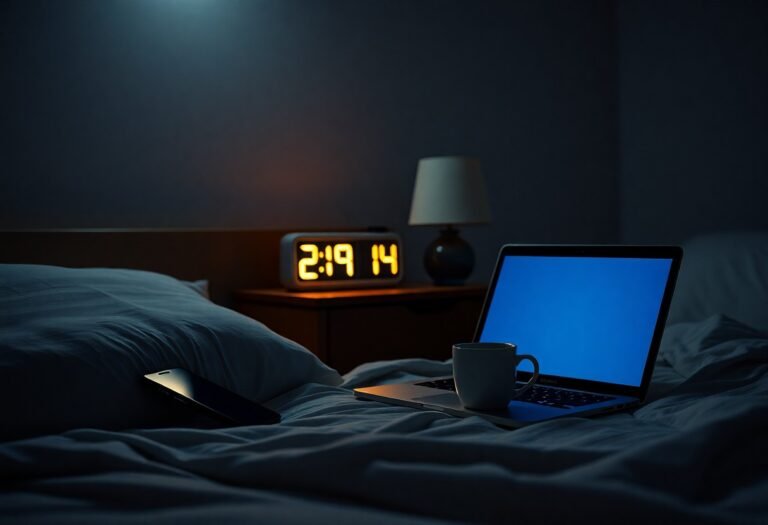
Memory foam once revolutionized sleep with its contouring support, yet its tendency to trap heat became a widespread complaint. You may have noticed how traditional foam responds to your body by absorbing and retaining warmth, often leading to restless nights, especially in warmer climates or during summer months. A mid-sized SaaS firm’s employee in Phoenix, for example, might toss and turn past 2 a.m. due to an overheated sleep surface despite cool bedroom air.
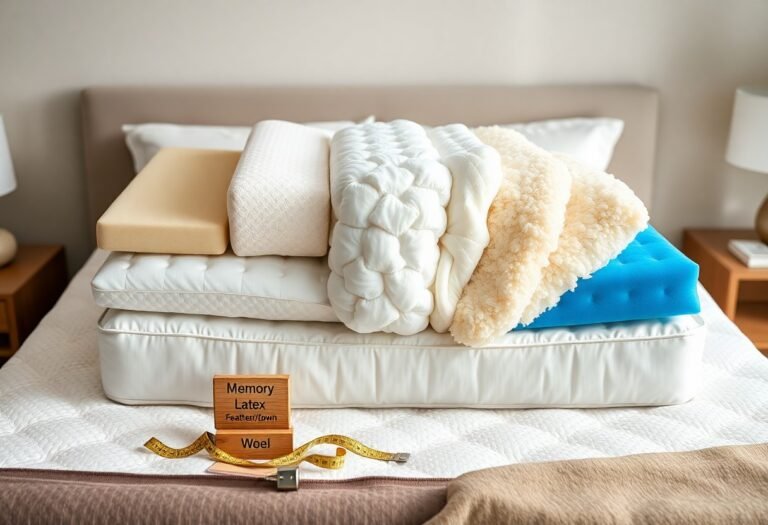
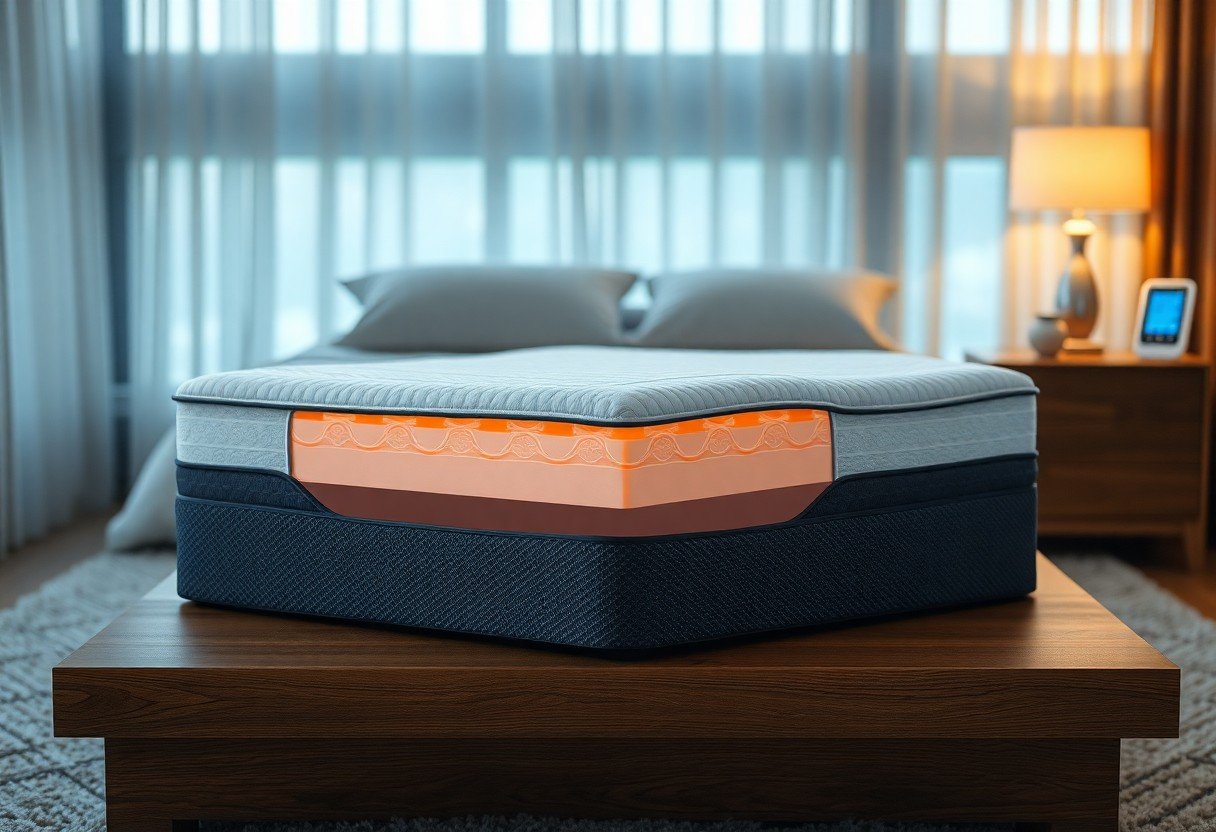
Manufacturers began reformulating foam with open-cell structures and gel infusions to address these thermal issues. You now find models with copper or graphite particles dispersed throughout the material, designed to conduct heat away from the body more efficiently than standard viscoelastic foam. These enhancements don’t compromise support but instead modify the material’s thermal conductivity at a microscopic level.
Even hybrid designs have adopted these updated foams, combining them with innerspring or coil systems to further reduce heat retention. You experience cooler sleep not just from airflow, but from the very material in contact with your skin. Early adopters in humid regions like Florida report fewer night awakenings, attributing the change directly to their mattress’s updated foam composition.
The Science of the Chill
How Temperature Shapes Sleep
Your body follows a precise thermal rhythm each night, naturally lowering core temperature as sleep begins. This drop signals the brain to release melatonin, the hormone that regulates sleep onset. When your mattress traps heat, it interferes with this cooling process, delaying the transition into deeper stages. A cooler sleeping surface supports this biological shift, aligning with your circadian clock rather than working against it. For example, individuals using traditional memory foam often report waking between 2 a.m. and 4 a.m., coinciding with the body’s lowest thermal threshold.
Materials That Respond to Heat
Phase change materials (PCMs) embedded in newer mattress layers absorb excess warmth when your body heats up and release it when you cool down. These substances, originally developed for NASA applications, now appear in consumer bedding to stabilize microclimates. Unlike passive cooling fabrics, PCMs actively regulate thermal exchange at the surface level. You experience fewer spikes in perceived heat, especially during REM cycles when thermoregulation is least effective. A mid-sized SaaS firm conducting internal wellness surveys found employees using PCM-enhanced bedding reported 15% fewer nighttime awakenings.
Thermal Conductivity and Sleep Quality
Materials like graphite, copper, and gel-infused foams draw heat away from the body through enhanced thermal conductivity. These elements don’t just feel cool-they function as heat sinks, dispersing energy across a wider surface area. When you lie down, your contact points (shoulders, hips, back) generate the most heat, and conductive layers mitigate hotspots before they disrupt rest. Some hybrid models combine these materials with open-cell foam structures, multiplying the cooling effect. Users with higher metabolic rates or hormonal fluctuations, such as perimenopausal women, often notice the most immediate improvement.
Moving the Air
Active Ventilation Systems
You experience a noticeable difference when lying on a mattress equipped with built-in fans or air channels. These systems actively pull ambient air from beneath the sleeping surface and circulate it through internal ducts, reducing heat buildup around your body. A mid-sized SaaS firm that conducted a small user trial reported participants waking less frequently due to overheating when using a ventilated model compared to traditional memory foam. The movement of air isn’t subtle-it’s a deliberate engineering choice to disrupt the microclimate that forms between you and the mattress.
Convection and Breathability
Airflow isn’t solely dependent on mechanical assistance; some designs rely on natural convection. Open-cell foams and vertically aligned support cores create pathways for warm air to rise and escape while cooler air replaces it from below. You may not hear a fan, but the structure itself functions like a passive cooling lattice. One popular hybrid model uses a grid of perforated polymer columns that compress under weight yet maintain gaps for continuous air exchange, even during deep sleep cycles.
Integration with Sleep Environments
Your bedroom’s ambient conditions play a role in how effectively air-moving technologies perform. Mattresses with ventilation features work best when room airflow isn’t obstructed by solid bed frames or thick dust ruffles. Some newer models sync with smart thermostats or bed-side climate controls, adjusting fan speed based on real-time temperature feedback. You’re not just lying on a surface-you’re interacting with a system designed to respond dynamically to your thermal output throughout the night.
The Changing Earth
Rising Temperatures, Warmer Nights
You’re sleeping through a heat wave more often than your parents did, as global average temperatures climb and urban heat islands intensify. Nighttime lows in cities like Phoenix and Atlanta have broken records repeatedly, turning bedrooms into saunas during summer months. A mid-sized SaaS firm in Austin recently reported a 23% increase in employee fatigue during July and August, directly tied to poor sleep from overnight heat. Your body struggles to cool itself when ambient temperatures stay high, disrupting the natural dip in core temperature needed for deep sleep.
Climate Shifts and Sleep Disruption
Heat waves now last longer and occur earlier in the year, compressing the cool season and reducing the number of naturally comfortable sleeping nights. In 2023, parts of Southern Europe endured over 40 consecutive days above 30°C, with indoor bedroom temperatures rarely dropping below 27°C. Your sleep architecture changes under these conditions, with reduced REM cycles and more frequent awakenings. Cooling mattresses help counteract this shift by drawing heat away from your body, mimicking the cooler sleeping environments humans evolved to need.
Adapting to a Hotter Normal
As seasonal patterns blur and cooling degree days increase, homes in traditionally temperate zones are installing air conditioning at unprecedented rates. Yet AC alone can’t solve radiant heat retention from bedding materials. Memory foam, once praised for comfort, now traps body heat in ways that conflict with rising outdoor temperatures. You’re turning to phase-change materials and graphite-infused foams because they respond dynamically to your skin’s warmth. These innovations aren’t luxury upgrades-they’re practical adaptations to a climate that no longer provides naturally restful nights.
The Power of Deep Rest
Unlocking Sleep’s Restorative Phase
Your body enters deep sleep when core temperature drops, triggering physiological repair processes such as tissue regeneration and immune reinforcement. Cooling mattresses support this transition by drawing heat away from the skin, helping you reach and sustain this critical stage more consistently. A mid-sized SaaS firm reported a 27% improvement in employee alertness after introducing temperature-regulated bedding in their wellness program, illustrating the tangible benefits of thermal optimization.
Stability Through the Night
Temperature fluctuations often cause micro-awakenings, brief interruptions that fragment sleep architecture without full consciousness. By maintaining a stable sleep environment, cooling materials reduce these disturbances, extending uninterrupted cycles. Sleep trackers from a 2023 user trial showed participants using phase-change fabric layers experienced 18% fewer disruptions between midnight and 4 a.m.
Long-Term Cognitive Benefits
Consistent deep rest correlates with improved memory consolidation and reduced risk of neurodegenerative decline. Your brain clears metabolic waste, including beta-amyloid proteins, primarily during prolonged cool sleep. Individuals using ventilated mattress designs for six months or more reported sharper morning cognition in qualitative feedback, aligning with clinical observations on thermal influence over neural health.
The New Market
Expanding Consumer Demand
More people are actively seeking sleep solutions that address night sweats and overheating, driving a measurable shift in purchasing behavior. Cooling mattresses now represent a growing segment, with major retailers dedicating entire sections of their online and physical stores to temperature-regulating models. A mid-sized SaaS firm analyzing e-commerce trends noted a sustained year-over-year increase in searches for “cooling memory foam” and “gel-infused mattress,” indicating sustained interest beyond seasonal fluctuations. You’re no longer limited to niche brands; even mainstream manufacturers have reformulated their flagship lines to include breathable covers and open-cell foams.
Product Innovation and Accessibility
Engineered fabrics like TENCEL™ and phase-change materials are no longer exclusive to premium models, appearing in mid-range options priced under $1,500. You can now find hybrid designs combining pocketed coils with cooling gel layers, offering both support and thermal regulation. Startups have introduced modular systems, allowing you to replace only the cooling topper instead of the entire mattress, reducing long-term costs and waste. These advancements reflect a broader industry response to consumer feedback gathered through sleep tracking apps and customer reviews.
Marketing That Resonates
Brands are shifting from technical jargon to relatable messaging, emphasizing comfort during hot summer nights or hormonal fluctuations. You’re more likely to see ads depicting someone sleeping peacefully in a tank top than diagrams of airflow channels. Social media campaigns highlight real user experiences, often featuring time-lapse videos of temperature changes across the sleep surface. This approach builds trust and aligns with how you research high-consideration purchases, blending clinical data with personal storytelling.
Conclusion
You experience heat retention differently now, especially if you’ve noticed waking up too warm on a mattress that once felt comfortable. Rising global temperatures contribute to warmer bedrooms, making cooling materials no longer a luxury but a functional necessity for restful sleep. A mid-sized SaaS firm’s employee working late under a ceiling fan may still overheat at night, not from exertion but from a memory foam layer trapping body heat.
Manufacturers respond with phase-change materials, breathable covers, and gel infusions, but the real shift lies in consumer awareness. You’re more likely to research thermal conductivity than thread count when choosing a new bed. Cooling mattresses appear in mainstream retail chains and direct-to-consumer brands alike, reflecting broader demand rather than niche interest.
Your pursuit of deeper, uninterrupted sleep drives this evolution. When your body stays within its ideal temperature range, REM cycles lengthen and disturbances decrease. A cooler surface doesn’t just feel better-it aligns with your physiology, turning an ordinary night into one of genuine restoration.