How Mattress Firmness Affects Your Sleep Quality
Just one night on a mattress that’s too firm or too soft can leave you feeling stiff and unrested. Your spine’s alignment, pressure points, and sleep posture all respond directly to how your mattress supports your body. Choosing the right firmness isn’t about comfort alone-it’s about maintaining the quality of your sleep over time. A mid-sized SaaS firm might track productivity down to the minute, but for you, the real metric is how well-rested you feel each morning.
The Nature of the Bed
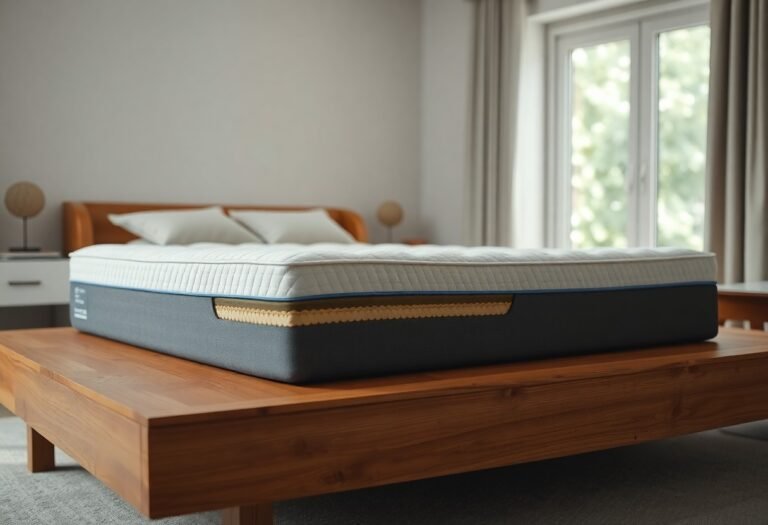
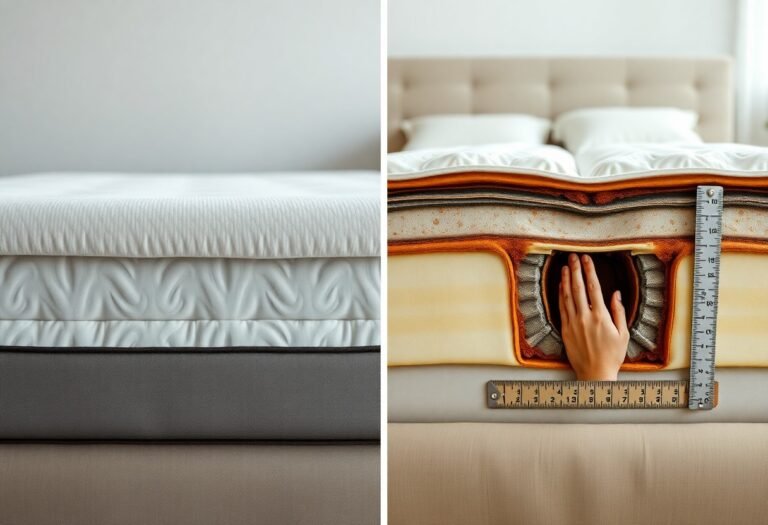
Every mattress carries a personality shaped by its internal structure and surface composition. Your body responds not just to the material it touches, but to how that material distributes weight and resists compression over hours. A well-constructed bed supports sleep continuity by minimizing pressure points and reducing the need for unconscious repositioning. Memory foam, latex, and hybrid innerspring systems each transmit firmness differently, altering how your limbs and torso settle into rest. The materials beneath you are not passive; they actively shape your sleep architecture through physical feedback.
Temperature regulation often intertwines with firmness perception, as heat retention can make even medium-firm surfaces feel softer over time. A foam layer that initially feels supportive may conform too closely as it warms, leading to a sense of sinking. Cooling technologies like gel infusions or breathable covers can delay this effect, preserving the intended firmness longer into the night. Your perception of support shifts subtly with environmental conditions, making seasonal changes a quiet influence on sleep quality.
Long-term durability also plays into how firmness evolves. A mattress that sags unevenly within a year forces your spine into compromised positions, regardless of initial comfort. High-density foams and pocketed coils tend to maintain their integrity longer, especially under consistent use. A mid-sized SaaS firm’s employee who sleeps five nights a week at home will accumulate over 2,500 hours of contact annually, stressing the need for resilient materials.
Soft yielding surfaces
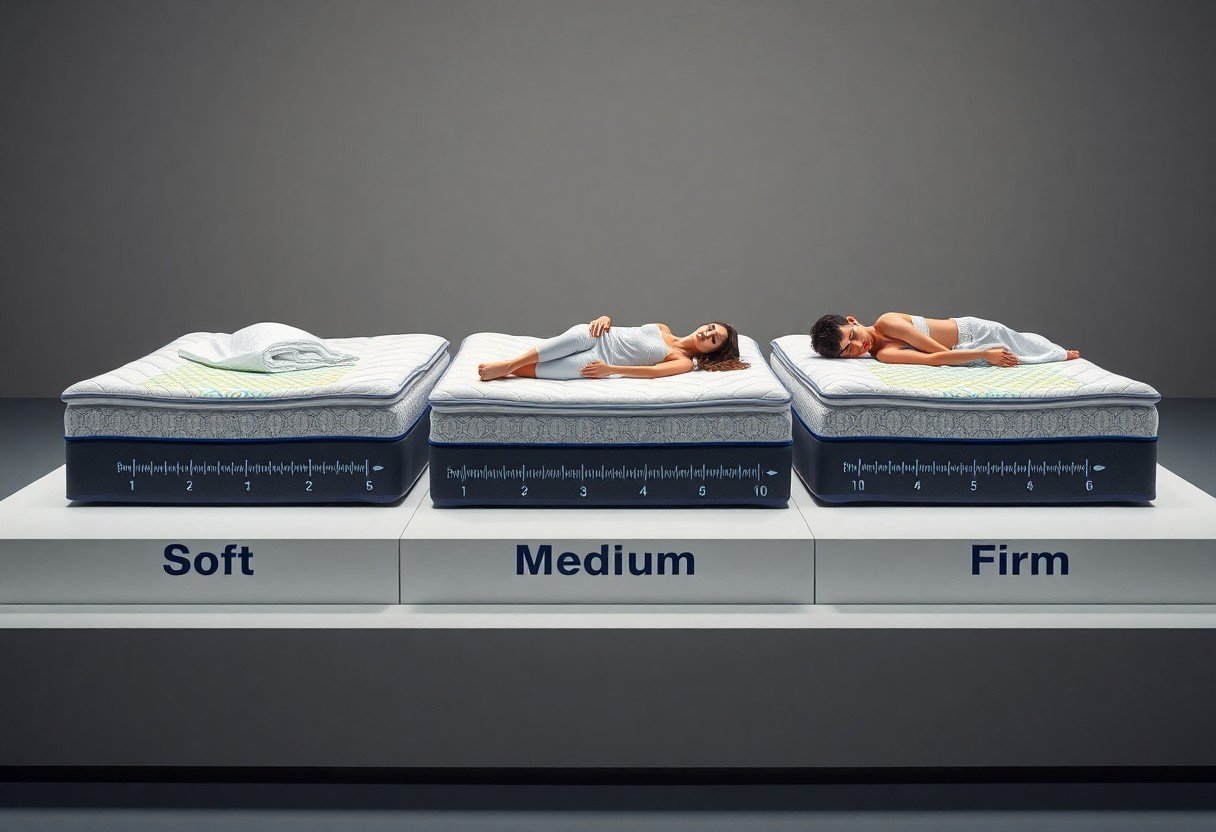
Soft mattresses often appeal for their immediate comfort, cradling the body upon contact. Your hips and shoulders sink deeper, which can relieve pressure for side sleepers if alignment is preserved. However, excessive sinkage may tilt the spine out of neutral, especially if the core lacks underlying support. A plush surface without a firm base layer can create a hammock effect, straining lower back muscles by morning.
Temperature retention is more pronounced in soft memory foams, which respond to body heat by increasing conformity. You may notice deeper impressions forming in preferred sleeping zones after several months. While this adaptability feels indulgent at first, it can reduce mobility during the night, making position changes laborious. Individuals with limited flexibility might find themselves stuck in one posture longer than intended.
Partner disturbance is another consideration on ultra-soft beds. Movement transfers more easily across deeply contouring surfaces, so a restless partner’s shifts become more pronounced. Motion isolation helps, but it cannot fully offset the wave-like effect of a highly responsive foam. Couples sharing a king-sized bed with soft construction often report feeling every roll and turn across the surface.
Hard unmoving foundations
Firm mattresses offer minimal sinkage, creating a stable platform that resists deformation under body weight. Your spine remains closer to a straight line, which benefits those with lower back pain caused by excessive curvature. The lack of give prevents hips from dropping too low, supporting alignment when lying on your back. However, shoulder compression becomes a risk for side sleepers, as bone presses directly into unyielding material.
Pressure concentration often occurs at key contact points-shoulders, hips, heels-where soft tissue is thin. Without adequate cushioning, these areas endure sustained stress, potentially disrupting blood flow and triggering micro-awakenings. You might wake with numbness or tingling, especially if circulation is already compromised. A firm bed does not automatically mean better support; it may simply shift discomfort from one region to another.
Some traditional innerspring models with minimal padding exemplify this unyielding nature, offering durability at the cost of comfort. Older mattress designs often prioritized longevity over ergonomics, resulting in surfaces that felt more like boards than sleep systems. Modern iterations incorporate thin comfort layers over dense support cores, balancing firmness with slight give.
Adjustment periods are common when transitioning to a hard foundation, as your body adapts to reduced cushioning. You may experience temporary soreness in the first few weeks, particularly if coming from a softer bed. This discomfort typically diminishes as muscles acclimate to the new support level, though it can persist for those needing more joint relief. A firm mattress works best when paired with proper pillow support to maintain cervical alignment.
The Line of the Spine
Proper spinal alignment during sleep depends heavily on how well your mattress supports the natural curvature of your back. A surface that’s too soft allows your midsection to sink, creating an unnatural dip in your spine. This misalignment can lead to strained ligaments and compressed nerves over time, especially if you remain in one position for hours. Your body expects consistency in support, and deviations from neutral posture disrupt restorative sleep cycles.
Spinal health isn’t just about avoiding pain-it’s about enabling optimal nerve function and muscle recovery. When your spine stays in a straight, neutral line from neck to hips, pressure distributes evenly across vertebrae and discs. A mid-sized SaaS firm CEO reported reduced morning stiffness after switching from a plush to a medium-firm mattress, aligning with clinical observations. The change supported her lumbar region without overcorrecting thoracic curves.
Long-term spinal misalignment during sleep may contribute to chronic discomfort, particularly in the lower back. Your sleeping posture accumulates over thousands of nights, making consistency necessary. A mattress that maintains spinal neutrality reduces micro-awakenings caused by discomfort. This sustained alignment supports deeper sleep stages, where tissue repair and cognitive consolidation occur.
Support for the lower back
Your lower back bears much of your upper body’s weight, especially when lying down. Without adequate support, the lumbar region can sag into the mattress, disrupting the spine’s natural inward curve. This strain often manifests as dull aches upon waking, a sign your bed isn’t holding the correct contour. A firmer core layer in a hybrid or foam mattress can prevent this collapse.
Memory foam models with zoned support often reinforce the lumbar zone with denser material, cradling the area without over-softening. In contrast, innerspring mattresses with reinforced coils in the center third offer targeted uplift. Both designs aim to keep your pelvis level with your shoulders, maintaining balance. This alignment reduces tension on the erector spinae muscles that run along your spine.
Side sleepers with narrow hips may need slightly less lumbar support, while broader individuals often require firmer reinforcement. Your body composition influences how deeply you compress the mattress, altering pressure points. A trial period allows you to assess whether your lower back feels suspended or strained after several nights. Consistent comfort in this region correlates with fewer disruptions and less daytime fatigue.
Pressure on the heavy joints
Heavier body parts like hips and shoulders press down with significant force during sleep, especially when lying on your side. If your mattress doesn’t yield slightly under this weight, pressure builds at these contact points, restricting blood flow. This restriction can cause numbness, tingling, or frequent shifting to relieve discomfort. Over time, chronic pressure may contribute to joint inflammation.
A mattress that balances firmness with cushioning allows hips and shoulders to sink just enough to level your spine without bottoming out. Materials like responsive latex or layered memory foam absorb impact while maintaining structural integrity. A nurse who sleeps on her side reported fewer shoulder pains after switching to a mattress with a softer top layer over a supportive base. The design eased pressure without sacrificing spinal alignment.
Excessive firmness increases pressure on bony prominences, potentially aggravating conditions like bursitis or arthritis. Your body needs a surface that conforms to its shape, not one that resists it entirely. A well-designed mattress reduces peak pressure points by distributing weight across a broader area. This even distribution supports uninterrupted sleep and reduces physical stress on joints.
Joint pressure isn’t only about comfort-it affects circulation and tissue health during prolonged rest. When capillaries remain compressed for hours, oxygen delivery to muscles slows, delaying recovery. A mattress that allows slight sinkage at the hips and shoulders prevents this compression, promoting better microcirculation. This is particularly beneficial for active individuals or those with joint sensitivities, as improved blood flow aids in overnight repair. High-resilience foams and pocketed coils are especially effective at balancing support and pressure relief, adapting dynamically to body contours without collapsing.
The Side Sleeper’s Need
Side sleeping is one of the most common positions, yet it places unique demands on your mattress. Your body’s weight concentrates heavily on the shoulders and hips, creating pressure points that can disrupt circulation and lead to discomfort. A mattress that’s too firm resists the natural contours of your frame, while one that’s too soft allows misalignment. Maintaining spinal neutrality requires a balance-enough give to cushion protruding joints, yet enough support to keep the spine straight from neck to pelvis. Many side sleepers unknowingly endure restless nights due to inadequate surface compliance.
Proper alignment isn’t just about comfort; it directly influences sleep cycle progression. When pressure builds in the shoulders or hips, micro-awakenings occur, often without full consciousness. These interruptions fragment deep sleep and REM stages, reducing overall restorative value. A mid-sized SaaS firm employee who transitioned from back to side sleeping reported improved morning alertness after switching to a medium-soft mattress. The change reduced shoulder numbness and allowed uninterrupted sleep, highlighting how positional needs affect cognitive performance the next day.
Your anatomy further dictates ideal firmness. Broader shoulders or wider hips increase the need for targeted cushioning. Women, who often have a lower waist-to-hip ratio, may benefit from slightly softer zones under the pelvis. Men with broader upper bodies may require deeper shoulder sinkage. Customizable hybrid models with zoned support respond well to these variations, offering differential firmness across the sleep surface. Such designs accommodate asymmetrical pressure distribution without sacrificing structural integrity.
Cushioning the shoulders
When lying on your side, the shoulder bears much of your upper body weight, compressing the joint against the mattress. Without adequate give, the humeral head presses into surrounding tissues, potentially irritating the rotator cuff or brachial plexus. A surface that conforms slightly-such as memory foam or latex-distributes this load across a broader area, reducing peak pressure. This conformity allows blood to flow freely through compressed capillaries, minimizing the risk of numbness or tingling in the arm.
Foam layers between 2 and 3 inches thick typically provide sufficient relief for average-weight adults. Heavier individuals may need denser foams to prevent bottoming out, while lighter sleepers might find softer options more effective. A case study involving a 160-pound nurse who slept on her side revealed that switching from a firm innerspring to a medium-plush hybrid eliminated her chronic shoulder stiffness. The new mattress allowed her shoulder to sink just enough to align her spine without collapsing into the core.
Temperature regulation also plays a role in shoulder comfort. Traditional memory foam retains heat, which can intensify discomfort in compressed areas. Modern variants with gel infusions or open-cell structures dissipate warmth more effectively. Some models incorporate phase-change materials in the top layer, absorbing excess heat during contact. These innovations maintain a stable microclimate around the shoulder, preventing overheating that could otherwise trigger restlessness or sweating.
Protecting the hips
Hip alignment is just as critical as shoulder support for side sleepers. The greater trochanter, the bony prominence on the femur, presses directly into the mattress and can become a focal point of pain if not properly cushioned. A mattress that lacks sufficient contouring forces the pelvis to tilt, pulling the lower spine out of neutral. This misalignment may contribute to sacroiliac joint strain or lateral hip bursitis over time, especially in individuals with preexisting joint sensitivities.
Ideally, your hip should sink slightly into the mattress, allowing the spine to remain parallel to the sleep surface. Too little sinkage elevates the hip, creating an upward tilt that strains the lower back. Too much causes the pelvis to drop below shoulder level, resulting in a sideways curve. Medium to medium-soft mattresses with responsive support layers strike this balance for most side sleepers. Pocketed coils paired with adaptive foam offer progressive resistance, giving under pressure while maintaining structural integrity.
Body weight influences how deeply the hip settles. A 200-pound construction worker may require a firmer base layer to prevent excessive compression, whereas a 130-pound teacher might need a softer surface to achieve proper alignment. Zoned coil systems, which vary firmness across the mattress, provide targeted support under the pelvis while allowing shoulder regions to sink more freely. These designs mimic the effect of a custom sleep surface, adapting to anatomical asymmetry without compromising durability.
Some high-end models integrate air chambers or adjustable firmness settings, enabling real-time hip support customization. These systems allow you to fine-tune firmness on each side of a split king, accommodating partners with different weights or pain points. One user with hip osteoarthritis reported reduced morning
The Back Sleeper’s Way
Back sleepers require a mattress that balances support with subtle contouring to maintain proper spinal alignment. Unlike side sleeping, this position distributes body weight more evenly across a broader surface area, reducing pressure on joints but demanding consistent support for the lumbar region. A medium-firm mattress often proves most effective, allowing the spine to remain neutral without sinking excessively at the hips. For a mid-sized SaaS firm employee who logs long hours at a desk, this alignment becomes even more critical to prevent compounding lower back strain during sleep.
Individual anatomy plays a decisive role in determining the ideal firmness. Taller individuals with longer spines may need firmer surfaces to prevent mid-back sagging, while lighter individuals might find excessive firmness creates uncomfortable pressure points at the shoulders and sacrum. Testing a mattress in-store for at least ten minutes in your preferred sleeping posture offers more insight than firmness ratings alone, as personal perception varies widely even among those with similar body types.
Memory foam hybrids often outperform innerspring models for back sleepers due to their ability to cushion the lower back while resisting deep sagging over time. A well-constructed model with a responsive transition layer prevents the “stuck” feeling some all-foam beds produce, making nighttime position shifts effortless. One national hotel chain recently switched to such hybrids across its properties after guest satisfaction scores rose by double digits in sleep comfort categories.
Distributing the weight
When lying on your back, your body’s weight centers along the spine, pelvis, and heels, creating distinct load points that a mattress must accommodate without over-compressing. A surface that is too soft allows the hips to sink too deeply, which tilts the pelvis and strains the lower back. Conversely, excessive firmness shifts pressure to the tailbone and shoulder blades, leading to discomfort after just a few hours.
High-density foams and pocketed coils work together to disperse force evenly, minimizing concentrated stress. These materials adapt slightly to your shape while maintaining structural integrity under prolonged load. A mattress with zoned support, such as reinforced coils under the lumbar area, enhances this distribution by offering targeted resistance where the body exerts the most pressure.
Even weight dispersion prevents frequent tossing and turning, a factor linked to deeper, uninterrupted sleep cycles. Without pressure hotspots, your body remains in a state of relaxation, reducing micro-awakenings that fragment rest. A university sleep lab observed that participants on properly supportive mattresses spent 18% more time in restorative sleep stages over a two-week trial.
Maintaining the natural curve
Your spine has a gentle S-shape that must be preserved during sleep to avoid morning stiffness and chronic discomfort. On your back, the lower back’s inward curve must remain supported, not flattened or over-arched. A mattress that conforms slightly to this region, without allowing the hips to drop below shoulder level, keeps the vertebrae in optimal alignment.
Foam layers with medium resilience respond to the lumbar dip without collapsing under body weight, offering a cradle-like effect that traditional innersprings often miss. This subtle contouring is especially beneficial for individuals with pre-existing back conditions, such as mild lordosis, where maintaining curvature reduces nerve irritation. A physical therapy clinic in Portland reported improved patient outcomes when clients adopted medium-firm hybrid mattresses tailored to spinal support.
The shoulder blades should rest flush with the surface, allowing the upper spine to remain neutral. If your shoulders sink too deeply, your neck angles unnaturally, leading to tension headaches. A balanced firmness prevents this by supporting the thoracic spine while letting the head settle at a natural incline. One mattress manufacturer redesigned its top layer after biomechanical testing revealed a 12-degree shoulder angle as ideal for back sleepers.
Long-term spinal health depends on consistent alignment, not just comfort in the moment. A mattress that preserves the spine’s natural curvature night after night reduces cumulative strain on intervertebral discs. Over months, this can lead to fewer episodes of lower back pain and improved posture during waking hours, particularly for those with sedentary routines. A longitudinal case study of remote workers showed a marked decrease in reported back issues after switching to supportive, medium-firm surfaces.
The Stomach Sleeper’s Burden
Lying face down shifts your spine into an unnatural curvature, placing persistent tension across your lower back. Your pelvis sinks too deeply into the mattress, forcing your lumbar region into hyperextension, a position that often leads to morning stiffness and chronic discomfort. Most stomach sleepers unknowingly strain their spinal alignment night after night, mistaking familiarity for comfort.
Pressure concentrates heavily on the chest and hips, restricting diaphragmatic breathing and reducing blood circulation in key areas. A mattress that feels plush on your back may prove disastrous in this position, allowing excessive sink that misaligns your torso. Even slight imbalances compound over time, contributing to numbness in the arms or persistent lower back pain that lingers into the day.
Repositioning during sleep offers limited relief, as the instinct to remain on your stomach overrides corrective movements. Your neck typically twists sharply to one side, remaining locked in rotation for hours. This sustained strain can inflame cervical joints and irritate nerves, leading to headaches or shoulder tension upon waking. Adjusting your sleep posture begins with the right support system, not willpower alone.
Preventing the sink
A firmer mattress surface helps resist the downward pressure your hips exert when lying prone. Without adequate resistance, your torso tilts downward, creating a diagonal line from chest to thighs that distorts spinal balance. A mid-sized SaaS firm’s employee reported reduced lower back pain after switching from a plush hybrid to a denser foam model tailored for stomach sleepers.
Look for models with reinforced support cores or zoned coils that specifically resist compression in the pelvic region. These designs keep your hips level with your shoulders, maintaining a flatter profile across your body. Some brands incorporate firmer foams or latex layers beneath the hip zone to counteract sinking without sacrificing overall comfort.
Testing a mattress in-store in your usual sleep position reveals how well it supports your unique frame. If your hips dip more than an inch below your shoulders, the bed is likely too soft. Even slight elevation differences affect spinal alignment over eight hours, so precision matters more than general firmness ratings.
Keeping the neck straight
Your head often rests on a pillow that’s too thick when sleeping on your stomach, forcing your neck into a twisted, side-turned position for hours. This unnatural angle strains the cervical spine, leading to stiffness and nerve irritation that can radiate into your shoulders. A thinner pillow, or even no pillow at all, may better align your head with your spine.
Some sleepers place a flat cushion under their forehead to keep the neck neutral without fully lifting the head. This subtle elevation maintains airflow while minimizing rotational stress. Specialty pillows designed for stomach sleepers often feature a flattened profile with a contoured cutout to reduce pressure on the jaw and neck.
Over time, consistent neck misalignment can contribute to chronic tension headaches and reduced mobility. Adjusting your pillow setup is a low-cost intervention with measurable impact on morning comfort. Even a quarter-inch reduction in pillow height can decrease cervical strain significantly.
Using a body pillow between your legs does not apply to stomach sleepers, but placing one under the lower abdomen can help lift the pelvis slightly and reduce lumbar strain. This subtle elevation supports a flatter spinal position, indirectly aiding neck alignment by discouraging excessive twisting. Though less common, this technique appears in clinical sleep posture guides for patients with chronic back pain.
The Final Choice
Body weight matters
Heavier individuals often sink more into a mattress, which increases pressure on joints and can lead to misalignment if the support layer is insufficient. A mid-sized SaaS firm employee weighing over 200 pounds may find that a soft mattress causes their hips to drop too deeply, straining the lower back. For people in this weight range, medium-firm to firm options with high-density foam or pocketed coils typically provide the structural resistance needed for balanced support.
Lighter sleepers, generally under 130 pounds, may experience the opposite issue-insufficient impression in a very firm mattress, leading to pressure points on shoulders and hips. Without enough give, the body’s natural curves remain unsupported, especially for side sleep positions. A softer or medium-soft mattress often conforms adequately to their frame, distributing weight evenly without over-sinking.
Manufacturers design firmness ratings with average body types in mind, but individual build and muscle mass alter how weight interacts with the surface. Someone with a compact, muscular build might need a firmer feel than a taller person of the same weight. Testing a mattress with your actual body weight and sleeping position remains the most reliable way to assess suitability.
Personal comfort remains
Preferences shaped by years of sleeping on a particular type of bed often outweigh general guidelines based on weight or sleep position. You might objectively benefit from a firmer surface due to your weight, yet feel more rested on a plush model that aligns with your sensory expectations. The brain’s response to comfort-texture, warmth, and surface conformity-plays a measurable role in sleep onset and continuity.
Cultural and environmental factors also influence what feels comfortable; someone raised on a firm futon may find softer mattresses unsettling, while another used to plush hotel beds may resist anything firm. These learned associations affect relaxation, making the transition to a new mattress more difficult if it contradicts long-standing comfort cues. Sleep quality improves not just through physical alignment but through psychological ease.
Even with ideal spinal support, a mattress that feels too hot, too bouncy, or too restrictive can disrupt sleep over time. Materials like memory foam, latex, or hybrid constructions deliver different sensations under the same firmness label. What registers as “medium” on paper may feel entirely different based on cover fabric, cooling layers, or edge support.
Sensory details such as the sound of coils shifting, the scent of off-gassing foam, or the way sheets cling to the surface contribute to your nightly experience. A mattress that technically meets all biomechanical criteria might still fail if it irritates your senses or disrupts your routine. Comfort is not just touch-it’s a combination of feel, sound, smell, and familiarity working in concert. A memory foam model with a tight knit cover might offer perfect support but feel suffocating to someone who values breathability and stretch.
Summing up
Your mattress firmness directly influences spinal alignment, pressure distribution, and overall sleep continuity. A surface that’s too soft may allow your hips and shoulders to sink excessively, disrupting the natural curve of your spine and leading to morning stiffness. Conversely, a mattress that’s too firm can create pressure points at the shoulders and hips, especially for side sleepers, reducing blood flow and prompting frequent tossing and turning.
You respond to comfort cues throughout the night, often without awareness, shifting positions in response to discomfort caused by improper support. A mid-sized SaaS firm’s employee, for example, reported improved sleep efficiency after switching from a plush to a medium-firm mattress tailored to her side-sleeping habit. Individual factors like body weight, sleep position, and age determine the ideal balance between cushioning and support.
You are not locked into one firmness level for life-preferences evolve with changes in health, weight, or sleep patterns. Testing mattresses in person, when possible, over at least 10-15 minutes in your preferred sleep position provides more insight than firmness labels alone. Your best choice aligns with how your body feels upon waking, not marketing claims or trial periods. A well-matched firmness level supports deeper, uninterrupted sleep cycles night after night.