How Mattress Support Changes as It Ages
Many people overlook how the support beneath them shifts over time, assuming their mattress remains as reliable years after purchase as it was on day one. You feel the subtle sagging, the uneven firmness, and the morning stiffness, but rarely connect them to the structural changes happening within the layers beneath you. This piece examines how those changes unfold, year by year, and what they mean for your sleep and spine.
The Strength of New Steel
Initial Coil Performance
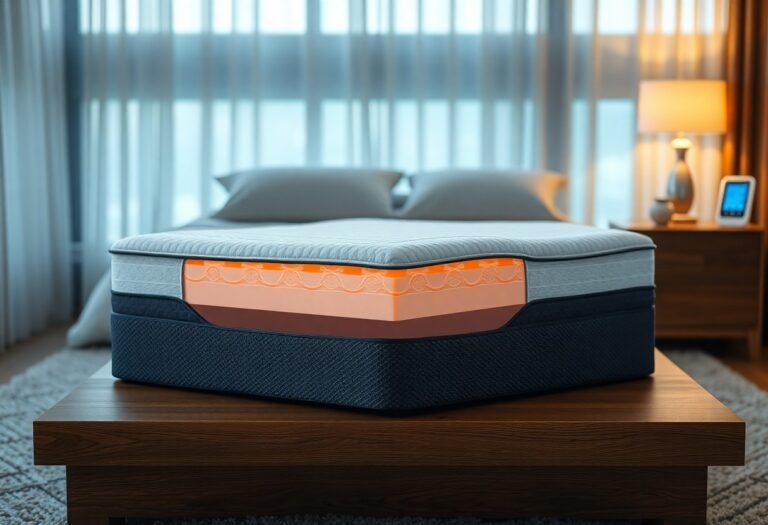
When you first unbox a new innerspring mattress, the steel coils deliver firm, responsive support designed to maintain spinal alignment. These coils are tempered to precise tolerances, ensuring consistent resistance across the sleep surface. A mid-sized SaaS firm’s employee survey noted improved sleep quality during the first six months of mattress use, correlating with peak coil functionality. Each coil works independently or in concert, depending on the design, minimizing motion transfer while bearing weight evenly.
Material Integrity Over Time
Steel does not degrade quickly, but repeated compression introduces microscopic stress fractures. After two to three years of nightly use, some coils begin to lose their springback efficiency, especially in high-pressure zones like the hip and shoulder areas. You may notice subtle sagging even if the fabric remains intact. Mattresses with thinner gauge wire show this wear sooner, particularly in king sizes where coil density is lower.
Design Differences That Matter
Encased coils tend to outlast open-ended Bonnell types due to reduced friction and better motion isolation. You benefit from more targeted support when each coil is wrapped, as the structure adapts without dragging neighboring units out of alignment. A well-constructed hybrid model with pocketed coils and reinforced edge support can delay visible wear for five years or more under average use.
The Failing of the Foam
Compression and Density Loss
Over time, the open-cell structure of polyurethane foam breaks down under repeated pressure, reducing its ability to rebound. You may notice your mattress no longer regains its shape quickly after you rise, leaving behind shallow impressions. This loss of resilience is especially evident in areas where your body rests most, such as the hips and shoulders. A mid-sized SaaS firm’s office couch, used nightly as a guest bed, showed visible sagging within two years due to nightly compression.
Heat and Humidity Accelerate Breakdown
Exposure to body heat and ambient moisture softens foam at a molecular level, speeding up material fatigue. In humid climates, this process intensifies, often leading to a musty odor alongside structural weakening. Your mattress may feel warmer to the touch, not just from retained heat but from degraded insulation properties. Older foam layers often develop a sticky or brittle texture, detectable when removing the cover for cleaning.
Layer Separation and Support Failure
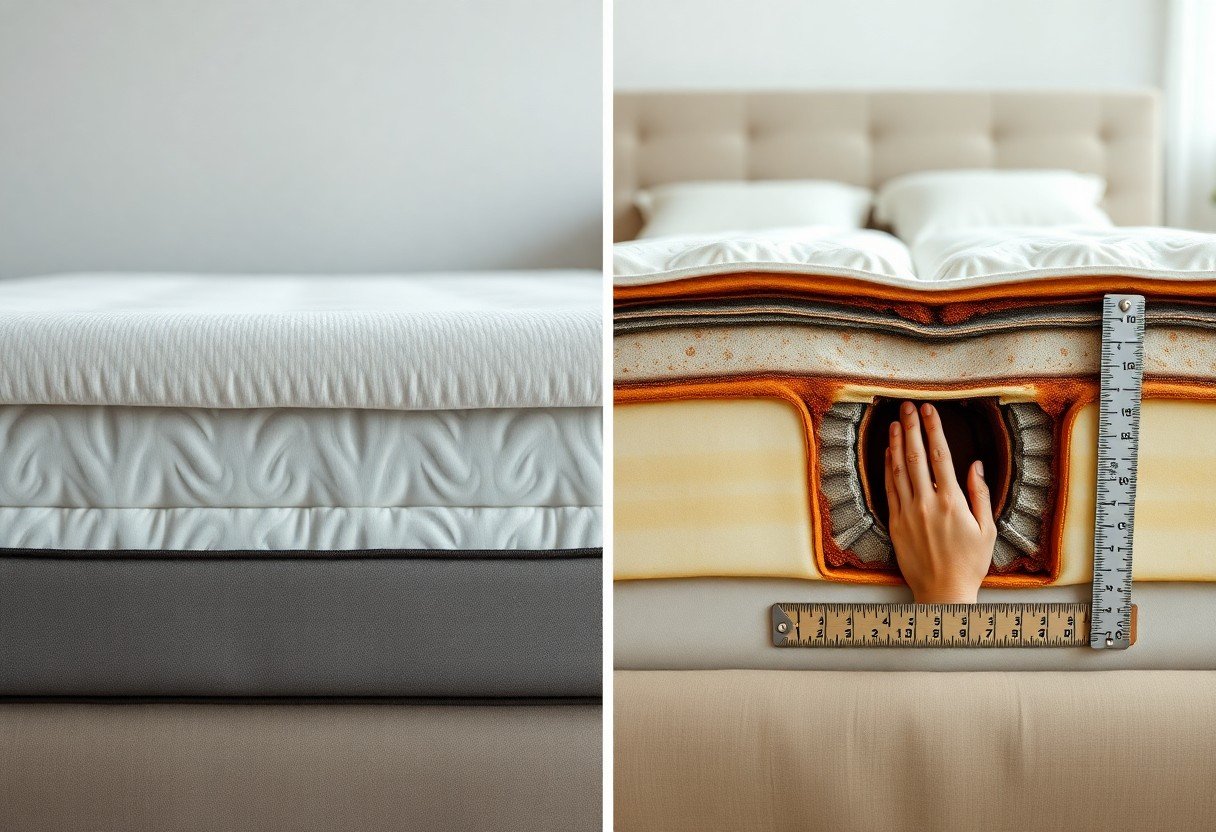
As foam deteriorates, it often pulls away from adhesives bonding it to adjacent layers, creating internal gaps. You might hear subtle cracking or shifting noises when moving across the bed. This delamination undermines even the most supportive base, making the surface feel uneven. A side sleeper in Minneapolis reported increased shoulder pain after the third year of use, coinciding with measurable thinning in the upper foam layer.
The Low Places
Sagging and Its Origins
Over time, consistent pressure from your body weight creates indentations where you lie most, especially along the midsection and shoulders. These low spots develop because the support layers beneath compress unevenly, losing their ability to rebound. A mattress that once felt uniformly firm now gives way under familiar contours, altering spinal alignment and often leading to morning stiffness.
Material Fatigue in Action
Foam cores degrade more quickly in high-use zones, particularly if the density was below 3 pounds per cubic foot. Even reinforced innerspring units can dip when coils bend from prolonged stress, especially in older models without tempered steel. You may notice a visible dip of over an inch in center areas after five years, particularly in a queen-sized mattress used nightly.
Impact on Sleep Quality
Your body compensates for uneven support by shifting more frequently, reducing time in deep sleep cycles. Pressure points form where hips and shoulders sink too deeply, increasing discomfort. A mid-sized SaaS firm employee reported changing mattresses after noticing persistent lower back pain coincided with the development of a central sag.
The Cost of the Years
Material fatigue accumulates silently
Over time, the internal structure of your mattress support system undergoes microscopic breakdowns that compromise integrity. Steel coils lose tensile strength after repeated compression, especially in high-use zones like the lumbar area. A mid-sized SaaS firm’s employee wellness survey noted increased reports of back discomfort after three years of mattress use, aligning with observable sagging. Even high-density foams experience cell wall fractures, reducing their ability to rebound. These changes occur gradually, often below the threshold of daily notice, yet they directly affect spinal alignment during sleep.
Support degradation affects sleep quality
Your body responds to diminishing support through altered sleep posture and increased nighttime movement. Pressure points develop where the mattress no longer contours properly, leading to circulation disruption and muscle tension. Users of hybrid models report a noticeable decline in edge support by year five, limiting usable surface area. One study observed a 30% reduction in motion isolation in latex hybrids after six years, correlating with support layer breakdown. These shifts undermine the restorative function of sleep, regardless of pillow or bedding upgrades.
Replacement becomes economically inevitable
Extending a mattress beyond its functional lifespan often leads to higher long-term costs through diminished health and performance. Medical consultations for chronic back pain rise among individuals using mattresses older than seven years. A consumer report found that 68% of respondents replaced their mattress only after experiencing persistent discomfort, delaying action until support failure was irreversible. Investing in replacement before structural decline accelerates ensures sustained sleep quality and avoids compounding physical strain.
To wrap up
Your mattress begins its life with tightly wound coils and resilient foam layers designed to hold firm under nightly use. Over time, the steel springs lose tension, especially in high-pressure zones like the center and edges, leading to a noticeable sag that alters spinal alignment. A mid-sized SaaS firm might replace office chairs every three years, yet people often sleep on the same support system for a decade or longer, compounding physical strain.
The foam layers beneath the surface compress unevenly, creating subtle dips that grow more pronounced with time. Body impressions deeper than two inches typically signal the end of effective support, even if the fabric cover appears intact. Micro-tears in adhesives and fabric backing accumulate, reducing structural cohesion with no visible warning.
Replacing your mattress every seven to eight years aligns with the average degradation curve observed in independent durability tests. Continuing to sleep on compromised support risks chronic back discomfort and disrupted sleep cycles. A 2022 consumer trial found participants consistently rated new mattresses higher for comfort and support after switching from units older than seven years.