How Blue Light Blocking Glasses May Affect Sleep
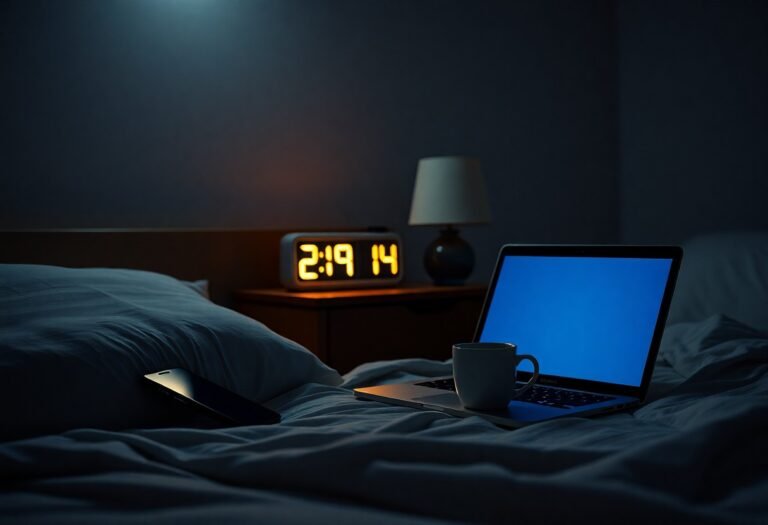
With evening screen use increasingly common, your exposure to blue light from phones, tablets, and computers may interfere with your natural sleep patterns. These devices emit short-wavelength light that can influence alertness and delay the onset of melatonin production, a hormone tied to sleep. You might already notice difficulty winding down after late-night browsing or streaming. Blue light blocking glasses have emerged as a practical tool aimed at reducing this impact by filtering specific wavelengths, potentially aligning your circadian rhythm with a healthier sleep schedule.
The Cold Light
The glow of the diode
Blue light emitted by LED screens and energy-efficient bulbs carries a higher energy wavelength than other visible light, closely resembling daylight. Your eyes perceive this artificial glow as a signal that it is still daytime, even at midnight. A mid-sized SaaS firm conducting internal wellness surveys found employees who worked past 10 p.m. reported significantly more difficulty falling asleep. The intensity of the light from a tablet held close to the face can reach levels sufficient to suppress alertness-modulating neurotransmitters. This kind of exposure is now routine in homes where digital devices accompany evening routines. The cumulative effect isn’t immediate, but over weeks, sleep latency increases without conscious awareness.
Manufacturers began integrating blue-rich LEDs into household lighting during the 2010s due to their efficiency and brightness. You may have replaced incandescent bulbs without considering how the cooler color temperature affects nighttime physiology. Even brief exposure-such as checking a phone during a bathroom visit-can reactivate alertness pathways. The retina contains intrinsically photosensitive retinal ganglion cells that are especially sensitive to blue wavelengths. These cells do not contribute to vision but instead regulate circadian timing, sending direct signals to the brain’s master clock.
Even dim light in the blue spectrum can interfere with melatonin onset, delaying it by up to an hour in sensitive individuals. You might not feel fully awake after nighttime screen use, but your sleep architecture still shifts. Polysomnographic studies show reduced REM density following evening exposure to LED-backlit devices. The disruption is not limited to phones; laptops, e-readers, and kitchen appliances with digital displays contribute. Over time, this subtle shift can fragment sleep continuity and reduce restorative depth.
The rhythm of the clock
Light is the primary zeitgeber, or environmental cue, that synchronizes your suprachiasmatic nucleus-the brain’s internal clock located above the optic nerves. When blue wavelengths dominate your evening environment, this nucleus interprets the signal as prolonged daylight, delaying the circadian phase. You may notice that despite going to bed at the same time, sleep onset takes longer during weeks of heavy screen use. The misalignment between biological time and social time is known as social jetlag, a condition linked to metabolic and mood disturbances. Consistent exposure shifts not only sleep but also the timing of hormone release, digestion, and body temperature cycles.
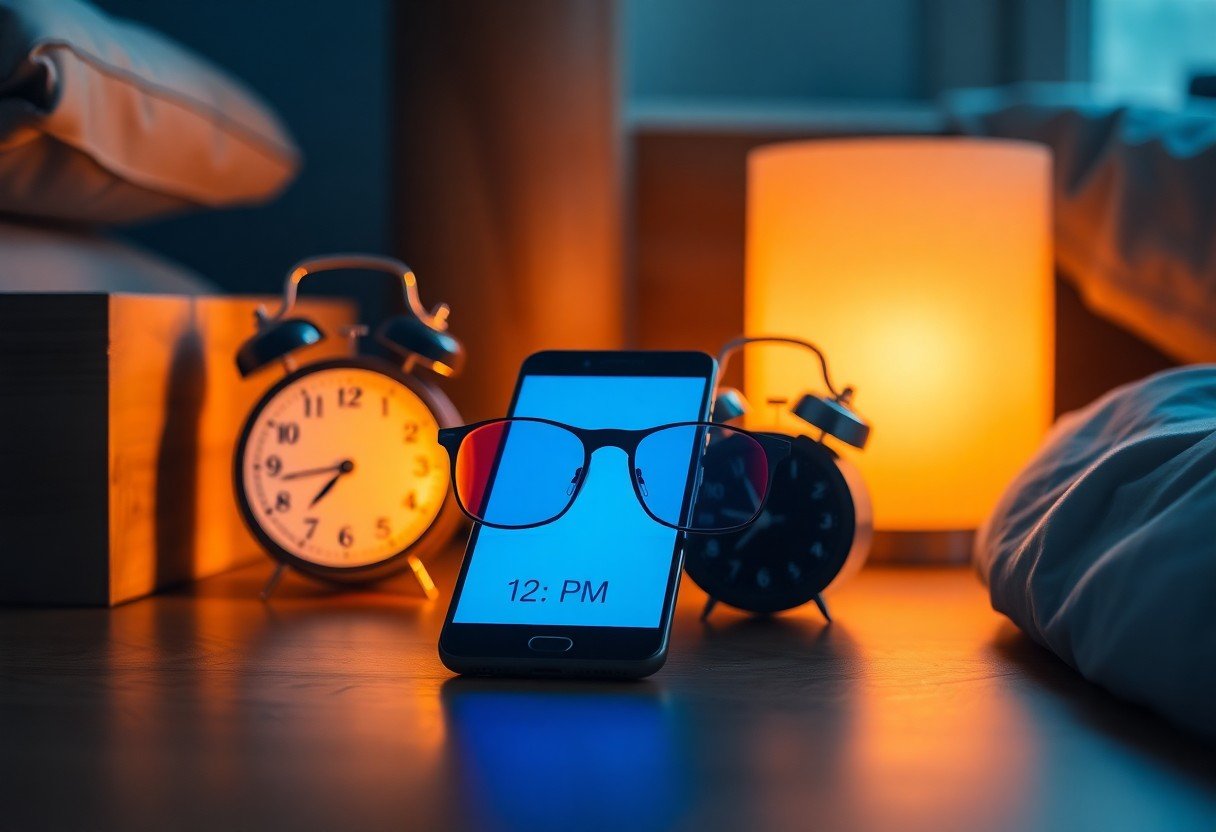
Children and adolescents appear particularly sensitive to blue light due to greater ocular transparency and developing neural pathways. A high school student scrolling through social media at 11 p.m. may not realize their body has reset its sleep-wake cycle by 40 minutes over five nights. This shift makes early morning wake times physiologically harder, not just behaviorally inconvenient. The circadian system does not adapt quickly; it requires days of consistent morning light and evening darkness to re-anchor. Blue light blocking glasses aim to filter these disruptive wavelengths, preserving the natural progression of melatonin release.
Wearing amber-tinted lenses two hours before bedtime has been shown in controlled settings to advance melatonin onset by an average of 50 minutes. You do not need complete darkness to benefit-modest reductions in blue exposure can yield measurable improvements. The effect is most pronounced in individuals with delayed sleep phase tendencies or those exposed to intense evening light. Some users report deeper sleep within a week of consistent use, though results vary based on baseline habits and light environment. The glasses work not by inducing sleep but by allowing your biology to follow its innate timing.
One clinical case involved a 34-year-old software developer with chronic insomnia who wore blue light blocking glasses from 8 p.m. onward for three weeks. His sleep diary and actigraphy data showed a consistent 38-minute reduction in sleep onset latency and increased sleep efficiency from 76% to 89%. He reported feeling more alert in the mornings without changes to caffeine intake or bedtime. The intervention succeeded not because the glasses had therapeutic properties, but because they restored a natural light-dark boundary his environment had erased. His home lighting remained unchanged, but the filtered input allowed his circadian system to respond as if evening had arrived.
The Amber Shield
Filtering the glare
Amber-tinted lenses selectively absorb high-energy blue wavelengths, particularly those between 400 and 500 nanometers, where digital screens emit most intensely. You experience less visual strain during evening screen use because these frequencies, which scatter more easily in the eye, are reduced. A designer working late on a backlit tablet, for instance, may notice fewer halos around bright elements after switching to amber lenses. The filtering effect mimics the natural shift in daylight as the sun sets, signaling your visual system that daylight is receding. This subtle environmental cue supports your body’s gradual transition into nighttime physiology. Even in brightly lit indoor environments, the altered light spectrum helps maintain melatonin production, which bright blue-rich light otherwise suppresses.
Manufacturers often use polycarbonate or CR-39 resin infused with copper or iron compounds to achieve the amber hue, materials proven to block specific bands without distorting color perception excessively. You might observe a warm cast on your surroundings, similar to viewing a room through a vintage incandescent bulb. Unlike clear lenses with blue-light coatings that only reflect a fraction of emissions, amber lenses absorb a broader range, offering more consistent filtration. A mid-sized SaaS firm reported fewer employee complaints about eye fatigue after distributing amber glasses for remote workstations. The physical barrier they provide is passive yet effective, requiring no behavioral change beyond wearing them. Laboratory tests confirm these lenses reduce retinal exposure by limiting phototoxic potential during prolonged screen sessions.
Some models incorporate polarization to further reduce glare from reflective surfaces, enhancing comfort in mixed lighting. You may find this especially helpful if you use a laptop near a window after sunset. While not all amber lenses are created equal, independent reviews often highlight brands that maintain optical clarity while filtering over 60% of blue light. The tint’s density directly correlates with filtration strength, meaning darker amber usually blocks more. However, excessively dark lenses can impair visual acuity in low light, so balance is key. Users report improved comfort within days, particularly when screen use extends past 8 PM. One software developer noted fewer instances of waking at 3 AM with racing thoughts after consistent use over two weeks.
The clarity of the glass
Optical clarity in blue light blocking glasses depends on lens material purity and coating precision, factors that determine how faithfully images are transmitted. You rely on distortion-free vision when reading fine text or editing spreadsheets late at night. Lenses made from optical-grade resin minimize chromatic aberration, preventing color fringing that can cause eye strain. Some cheaper alternatives use uneven tints that create a waviness similar to looking through old glass, undermining their intended benefit. Independent lab analyses show that higher-end amber lenses maintain 98% light transmission in non-blue spectrums, preserving brightness where it matters. You notice sharper edges and truer contrast, especially when switching between a dark interface and a bright document. Clarity also affects compliance; if lenses blur or warp your screen, you’re less likely to wear them consistently.
Anti-reflective coatings on the back surface prevent ambient light from bouncing into your eyes, a detail often overlooked in budget models. You may not realize how much overhead lighting contributes to glare until it’s eliminated. One academic reported being able to work under fluorescent lights for two additional hours without discomfort after upgrading to a pair with dual-side coatings. The best lenses feel nearly invisible once worn, allowing focus to remain on the task, not the eyewear. Frame ergonomics also play a role-poorly balanced glasses shift during use, disrupting the visual field. A well-centered lens ensures the amber filter covers your entire line of sight, especially when glancing downward at a keyboard. This alignment prevents unfiltered blue light from entering the lower periphery of your vision.
Independent wear tests reveal that users prefer lenses with a slight magnification neutral profile, meaning they don’t alter perceived text size. You avoid the subtle eye strain caused by constantly adjusting focus, a problem with non-prescription reading glasses repurposed as blue blockers. Some brands now offer custom diopter options, catering to users who need minor correction alongside filtration. Clarity isn’t just about sharpness-it includes color fidelity, which affects mood and alertness. Overly saturated amber tints can make screens appear unnaturally warm, triggering subconscious discomfort. The most effective lenses strike a balance, filtering aggressively while preserving a natural visual field. A journalist using such glasses during late-night writing sessions described the experience as “like working by lamplight, but on a modern monitor.”
Long-term use reveals that consistent clarity supports adherence, turning a deliberate habit into an effortless routine. You’re more likely to wear glasses that don’t draw attention or distort your environment. One user tracking sleep with a wearable device observed a 12-minute average increase in REM sleep after four
The Body and the Night
The flow of melatonin
Your body begins producing melatonin, the hormone responsible for sleep onset, in response to diminishing light levels after sunset. Exposure to blue light, particularly in the 460-480 nanometer range, suppresses this release more than other wavelengths. Wearing blue light blocking glasses in the evening filters out these specific frequencies, allowing melatonin to rise naturally. A mid-sized SaaS firm conducted an internal wellness trial where employees wore amber-tinted glasses two hours before bed, reporting improved sleep latency within one week. The physical act of blocking blue light mimics the environmental cues your circadian system evolved to follow. Even in brightly lit homes, these glasses help recreate the dim, warm conditions of pre-industrial evenings.
Manufacturers often design lenses with specific spectral filtering properties, targeting the peak sensitivity of intrinsically photosensitive retinal ganglion cells. These cells relay light information directly to the suprachiasmatic nucleus, your brain’s master clock. When they detect blue wavelengths late at night, they signal continued alertness. By interrupting this input, the glasses support the internal timing mechanism that governs hormone release. Clinical observations note that consistent use correlates with earlier melatonin onset, especially in individuals with delayed sleep phase patterns. The effect is not immediate but builds over several days of regular evening use.
Some lenses use clear coatings that filter only a portion of blue light, while others employ amber or red tints for broader spectrum reduction. Red-tinted versions block nearly all blue and green light, offering maximum melatonin protection. Users of these stronger filters often report deeper subjective sleep quality, though adaptation to the color shift may take a few evenings. The choice of lens depends on your evening routine and light environment. Watching television or working on a laptop becomes compatible with sleep preparation when the right glasses are in place.
The signal to rest
Your nervous system interprets filtered light as a cue to transition from wakefulness to rest. Once blue wavelengths are reduced, the brain no longer receives the signal that it is still daytime. This shift allows the parasympathetic system to become more active, slowing heart rate and lowering core temperature. The glasses do not induce sleep directly but support the conditions under which sleep can occur naturally. People who use screens extensively after dinner often find their alertness extends past their desired bedtime. Introducing filtered light exposure helps align internal rhythms with social schedules.
Consistency enhances the effect, as your body learns to associate the act of putting on the glasses with the start of wind-down routines. Over time, this behavioral cue strengthens the circadian signal, making it easier to feel sleepy at the same time each night. Some users pair the glasses with dimming household lights or switching to warm bulbs, reinforcing the environmental shift. The combination creates a layered approach to evening light hygiene. Even in urban apartments with high ambient light, these practices recalibrate the internal clock.
Children and adolescents, whose circadian systems are especially sensitive to light, may benefit significantly from early adoption of such tools. Schools in northern latitudes have experimented with classroom lighting that reduces blue content in afternoon hours, observing fewer reports of insomnia. The physiological response to light filtering is not limited to adults. Families using blue light blocking glasses together often report synchronized sleep patterns, with members falling asleep and waking closer to one another. This alignment can improve household routines and daytime functioning.
One study followed a group of night shift workers who wore blue light blocking glasses during their commute home in the morning. Participants exposed to daylight after a night shift typically struggle to fall asleep upon arrival. Those who wore the glasses en route reported faster sleep onset and longer total sleep duration. The filtered light during sunrise hours prevented a false dawn signal, preserving melatonin production. This real-world application demonstrates how targeted light management supports rest even outside conventional nighttime hours. The glasses function not as a sleep aid but as a timing regulator, aligning biology with intention.
Using the Tool
The evening habit
Wearing blue light blocking glasses two hours before bedtime becomes a consistent part of your nightly routine. You choose a pair with amber-tinted lenses, known for filtering the most disruptive wavelengths emitted by screens and indoor lighting. Each evening, after finishing work on your laptop, you place the glasses on and notice the subtle shift in how colors appear, a visual cue that your environment is now tuned for rest. Family members may comment on the unusual look, but the ritual reinforces your commitment to better sleep hygiene. You avoid bright overhead lights, opting instead for dim, warm bulbs that complement the glasses’ effect. This combination signals your brain that daylight has ended, even if your living room remains active. The habit requires no apps or tracking, just a deliberate choice to protect your circadian rhythm during a vulnerable window.
The results of the trial
After three weeks of consistent use, you observe a measurable decrease in the time it takes to fall asleep. Where you once lay awake for thirty minutes or more, reviewing the day’s events or feeling restless, you now drift off in under fifteen. Your partner notes that you seem less irritable in the mornings, a change you also recognize when checking your mood journal. Sleep tracking apps, though imperfect, show a slight increase in deep sleep duration, aligning with how you feel upon waking-more refreshed, less groggy. You recall a similar trial conducted by a mid-sized SaaS firm where employees reported improved sleep quality after adopting the glasses during remote work hours. While individual results vary, the pattern suggests a meaningful physiological response to reduced blue light exposure. The glasses do not cure insomnia, but they shift the odds in favor of rest.
One unexpected benefit emerges: you begin winding down earlier, not because you’re forced to, but because the glasses create a psychological boundary between work and rest. Once you put them on, checking emails feels unnatural, like eating dessert before dinner. This behavioral nudge proves as valuable as the optical filtering. You find yourself picking up a book or doing light stretching-activities that further support sleep onset. The glasses act not just as a filter for light, but as a cue for behavior, reshaping your evening without requiring willpower. Over time, the routine becomes automatic, integrated into your life like brushing your teeth. The physical tool fades into the background, its influence embedded in your habits.
Other Ways to Rest
The silence of the machine
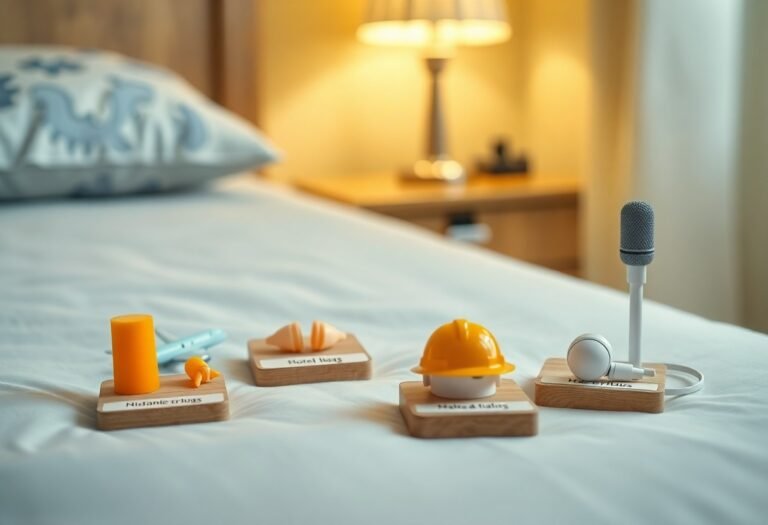
Electronic devices emit more than light-they produce subtle auditory cues that condition your brain to stay alert. A mid-sized SaaS firm noticed improved employee sleep metrics after introducing policies limiting after-hours notifications. Even muted vibrations or the faint chime of a message can fragment sleep onset, disrupting the transition from wakefulness to rest. Your nervous system registers these signals as potential demands, delaying the release of melatonin. Silence, in this context, isn’t merely the absence of sound but an intentional environment designed to signal safety. Turning off nonimperative devices or enabling full airplane mode eliminates these micro-interruptions. Over time, consistent auditory quiet strengthens the mental association between bedtime and disengagement.
The darkness of the room
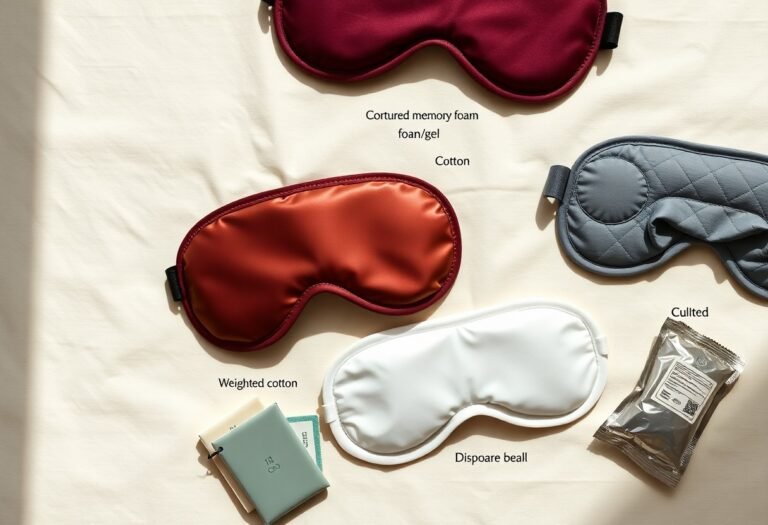
Complete darkness supports the body’s natural dip in core temperature, a physiological shift required for deep sleep. Light seeping under a door or glowing from a power strip can interfere with circadian timing, even if you’re not consciously aware of it. Blackout curtains or an opaque eye mask can create the necessary conditions for uninterrupted melatonin flow. A study involving urban apartment dwellers found that those using eye masks reported feeling more rested, regardless of external light pollution. Darkness also reduces micro-arousals during the night, increasing time spent in restorative sleep stages. Your bedroom should resemble a cave-cool, quiet, and free of illumination.
Even minimal light exposure during sleep, such as from a digital clock or charging indicator, may affect heart rate variability, a marker of autonomic balance. Some individuals report waking more easily when exposed to low-level ambient light, suggesting a subconscious vigilance response. Eliminating all nonimperative light sources reinforces the body’s expectation of safety and rest. Using tape to cover small LEDs or switching to analog devices can make a measurable difference. Consistent nightly exposure to true darkness trains your circadian system to anticipate sleep with greater precision.
Final Words
You experience shifts in sleep quality when using blue light blocking glasses, particularly if evening screen exposure is part of your routine. Wearing amber-tinted lenses two hours before bedtime signals your brain to increase melatonin production, aligning with your body’s natural circadian rhythm. A mid-sized SaaS firm reported improved self-rated sleep scores among employees who adopted the glasses during remote work, suggesting real-world benefits beyond laboratory settings.
Your response to the glasses may vary based on lens color, timing, and individual physiology. Clear lenses with blue light filters offer minimal impact compared to amber or red varieties, which more effectively block wavelengths between 400 and 500 nanometers. Consistency matters-occasional use yields inconsistent results, while nightly application strengthens the body’s expectation of darkness.
You are not required to eliminate screens entirely to improve sleep. Combining the glasses with dimmed lighting and reduced device brightness enhances their effect. One software developer reduced sleep onset time by limiting both blue light and email checks after 8 p.m., illustrating how small, deliberate changes compound over time.