When Should You Replace Your Pillow?
With your head resting on it for hours each night, your pillow plays a direct role in your sleep quality and spinal alignment. Over time, wear and compression degrade its support, but knowing exactly when to replace it isn’t always obvious. Most people keep pillows longer than recommended, unknowingly exposing themselves to allergens and poor neck posture. This guide outlines the clear, observable signs that signal it’s time for a new one.
The Marks of Time
Yellow stains of the long nights
Sweat, oils, and saliva seep into your pillow over months of use, leaving behind yellow discoloration that no amount of surface washing can fully erase. These stains accumulate most heavily in the center, where your head rests night after night, creating a map of your sleep patterns. Even with pillow protectors, moisture penetrates the fabric over time, especially if you tend to sleep hot or wake up sweaty. A pillow that has yellowed significantly is not just unattractive-it’s a sign of prolonged exposure to biological residues that washing rarely eliminates completely. Microorganisms thrive in this damp environment, contributing to odor and potential skin irritation. Replacement becomes necessary when laundering no longer restores a clean appearance or fresh feel.
Filling that has gone flat
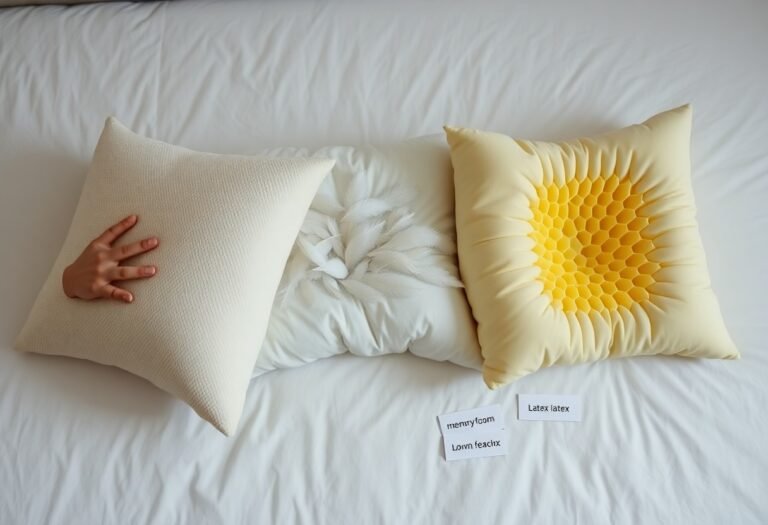
Down, memory foam, and synthetic fibers all lose resilience with time, compressing under the weight of your head until they no longer rebound. When your pillow stays indented after you press it, the support structure has failed. This flatness alters spinal alignment, especially if you sleep on your side and rely on height and firmness to keep your neck level. A mid-sized SaaS firm’s employee reported chronic shoulder tension that resolved only after switching from a five-year-old flattened down pillow to a supportive contour model. Pillows that fold too easily or feel lumpy in spots indicate uneven breakdown. No amount of fluffing can restore the original loft once the filling has degraded beyond recovery.
Memory foam degrades more slowly than down but eventually develops soft spots and loses its ability to contour precisely. Polyester-based fills tend to clump and break down faster, especially with frequent washing. Even high-quality materials have a finite lifespan, typically two to three years under regular use. Pillows exposed to humidity or compressed in storage deteriorate faster. Once the filling no longer regains its shape within seconds of being squeezed, it has passed the point of functional use. A flat pillow may still look intact, but its internal structure has collapsed, compromising both comfort and alignment.
The Test of the Fold
Folding the pillow in half
Grasp your pillow firmly on both sides and bring the edges together until it folds completely in half. This simple motion reveals how much resilience remains in the filling, whether down, memory foam, or polyester fibers. A pillow that collapses easily without resistance likely lost its structural integrity long ago. Compression over years of nightly use breaks down the internal support, especially in foam models that degrade with body heat and moisture. Even high-loft down alternatives flatten over time, reducing their ability to maintain shape. When the fold meets no pushback, the material has reached the end of its functional life. A mid-sized SaaS firm might replace servers on a five-year cycle, but pillows often need replacement sooner despite daily, unseen strain.
Waiting for the spring back
Hold the folded position for a few seconds, then release your hands and observe how the pillow responds. A healthy pillow regains its form within seconds, bouncing or expanding to nearly its original thickness. Slower recovery indicates compromised elasticity, a sign the fibers or foam can no longer support proper spinal alignment. Memory foam, known for its slow rebound, should still return to shape within ten seconds under normal conditions. If the pillow stays creased or forms a permanent valley, its internal structure has fatigued. This diminished resilience contributes to inadequate neck support, often unnoticed until discomfort arises. A pillow that sags at the center fails to bridge the gap between head and shoulder, disrupting sleep posture.
Some materials mimic recovery through temporary fluffing, especially synthetic blends with hollow fibers. These may appear to bounce back at first glance, but closer observation reveals incomplete restoration. The center remains compressed, creating a dip that worsens with each night’s use. Down-filled pillows can also deceive, as the outer shell may puff up while the inner clusters remain matted. Testing the pillow in natural light helps spot lingering indentations. Cold foam, commonly used in ergonomic designs, shows clear signs of permanent deformation when it fails to rebound fully. This loss of recovery capacity directly impacts sleep quality, even if symptoms take weeks to surface.
The Pain in the Morning
Stiffness in the neck at dawn
Waking with a tight or immobile neck often traces back to your pillow’s failure to maintain spinal alignment. A pillow that has flattened over time no longer fills the space between your head and shoulders, leaving your neck in a strained position. Many people assume this discomfort is a normal part of aging, yet it frequently resolves with a simple replacement. A mid-sized SaaS firm CEO reduced her chronic morning stiffness after switching from a five-year-old down pillow to a contoured memory foam model. Proper support allowed her neck muscles to relax fully through the night. When alignment is preserved, soft tissues aren’t pulled unevenly, reducing inflammation and tension.
Side sleepers face even greater risk if their pillow lacks adequate height and firmness. Without sufficient elevation, the head tilts downward, stretching the cervical spine laterally. This strain accumulates over weeks, leading to persistent tightness. You may find yourself rolling your shoulders or tilting your head to relieve pressure shortly after waking. Physical therapists often identify pillow-related misalignment as a root cause in patients with no history of injury. Replacing a worn pillow can yield noticeable improvement within two to three nights.
Latex pillows, known for their resilience, often outperform synthetic fills in maintaining consistent support. Their natural elasticity returns to shape after compression, night after night. You might notice less morning stiffness when using one, especially if you shift positions frequently. Even slight improvements in alignment reduce the micro-tears in muscle fibers that lead to soreness. Over time, this preservation of tissue integrity supports long-term joint health.
Headaches from the lack of support
Waking with a dull ache at the base of your skull may stem from prolonged strain on the suboccipital muscles. These small muscles connect the top of your spine to the base of your skull and tighten when your head is positioned too high or too low. A collapsed pillow forces these muscles to work all night, leading to tension headaches. You might mistake the pain for dehydration or stress, but it disappears when spinal alignment improves. Patients in clinical settings frequently report fewer morning headaches after replacing pillows older than 18 months.
Memory foam models with a cervical curve design specifically target this issue by supporting the neck’s natural lordosis. You’ll likely feel the difference immediately, as the pillow cradles rather than lifts your head unnaturally. Some users report a brief adjustment period, especially if they’ve used flat pillows for years. The discomfort fades as muscles recalibrate to a neutral posture. Over time, fewer headaches mean improved focus and energy upon waking.
Combining the right pillow with proper sleep posture amplifies the benefits. You can test alignment by lying on your side and checking whether your spine forms a straight line from neck to lower back. Any deviation suggests inadequate support. A properly sized pillow keeps your head neither tilted up nor drooping down. This alignment prevents nerve irritation that contributes to referred pain in the head and face.
Chronic tension headaches linked to poor pillow support often coexist with jaw tightness or shoulder pain. You may unconsciously clench your jaw during sleep if your neck is strained, worsening the cycle. Replacing your pillow interrupts this pattern by removing the initial mechanical trigger. Once the suboccipital muscles are no longer overworked, the frequency and intensity of headaches typically decline. This change is especially evident in individuals who sleep on their back or side, where head position is most dependent on external support.
The Life of the Material
Two years for the polyester
Synthetic fill pillows, especially those made from polyester fibers, begin to degrade noticeably after about two years of regular use. The individual fibers compress and break down, losing their ability to spring back, which compromises both comfort and support. A flattened pillow no longer maintains proper alignment for your neck and head, increasing the likelihood of stiffness and discomfort. Even with regular fluffing or washing, the structural integrity of the material diminishes over time. Most manufacturers recommend replacement within this two-year window, particularly for sleepers who use their pillows nightly. Allergens also accumulate more readily in polyester due to its porous nature, compounding hygiene concerns.
Five years for the memory foam
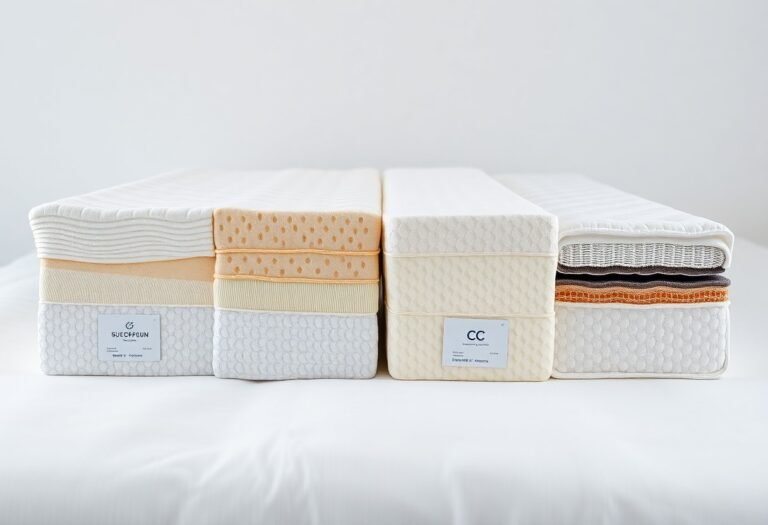
Memory foam pillows typically offer a longer service life, often lasting up to five years under consistent use. The dense viscoelastic structure resists compression better than polyester, retaining its shape and supportive qualities over time. High-density foams, in particular, show slower signs of wear and are less prone to permanent indentations. You may notice subtle changes in firmness or surface texture as the material ages, but these rarely affect performance in the early years. CertiPUR-US certified foams also limit off-gassing and breakdown, contributing to durability. With proper care, including the use of a protective cover, memory foam remains resilient far beyond synthetic alternatives.
Latex content within some memory foam blends can further extend longevity, especially in hybrid models combining foam with natural rubber. These blends resist mold, mildew, and dust mites more effectively than pure synthetic versions. A sleeper using a memory foam pillow with a removable, washable cover may delay degradation caused by oils and moisture. Unlike polyester, memory foam does not trap allergens as aggressively, provided the cover is cleaned monthly. Some users report minimal sagging even after four years, particularly with pillows designed for side sleeping that distribute pressure evenly across the foam core.
The Dust and the Sneeze
Heavy breath from the old fibers
Every breath you take into an aged pillow pulls in microscopic debris long embedded in its core. Down, memory foam, and polyester fills all degrade over time, releasing tiny particles with each compression. These fibers become airborne when you adjust your head at night, mixing with dust and circulating through your nasal passages. A persistent dry cough or throat irritation upon waking may not be seasonal-it could stem from what your pillow emits. Even high-thread-count pillowcases offer little barrier against this internal breakdown. A mid-sized SaaS firm’s office study noted increased respiratory complaints among employees who admitted to using pillows older than three years. The issue isn’t just comfort; it’s the air quality inches from your face for eight hours a night. Older pillows, especially those never washed, harbor compaction that traps and recycles these irritants.
Itching that ruins a man’s rest
Dust mites thrive in warm, humid environments, and your pillow offers an ideal habitat after years of accumulated skin cells and moisture. You might dismiss nightly itching as dry skin, but persistent scalp or facial irritation often traces back to allergens nesting within the pillow’s layers. These microscopic organisms multiply rapidly, feeding on shed epidermis and leaving behind waste that triggers allergic responses. Symptoms like redness, puffiness, or a crawling sensation on the skin are common indicators. Some users report waking with small, raised bumps along the jawline or forehead-areas in direct contact with the fabric. Hypoallergenic covers may delay infestation but cannot prevent it indefinitely in compromised materials. Once the internal structure degrades, cleaning offers only temporary relief.
Replacing the pillow interrupts the cycle of exposure and allows the skin and respiratory system to recover. A case documented by a dermatology clinic linked chronic perioral dermatitis in a 42-year-old patient directly to a six-year-old down pillow. Despite topical treatments, symptoms recurred nightly until the pillow was discarded. Natural latex models, while resistant to mites, still absorb oils and degrade over time. Synthetic blends may break down even faster, especially with frequent washing. The texture may feel unchanged, but the biological load increases steadily. You can’t wash away years of embedded allergens without damaging the support structure. A fresh pillow isn’t just about comfort-it’s a hygiene necessity.
The New Pillow
Introducing a fresh pillow into your sleep routine can reset your comfort baseline, especially after recognizing the wear patterns in your current one. A new pillow offers a clean surface free from accumulated oils, dead skin, and allergens that embed over months of use. Many people overlook how much these invisible residues affect skin health and respiratory comfort during sleep. Replacing your pillow gives your body a chance to rest on supportive, hygienic materials that perform as intended. Memory foam regains its original resilience, down alternatives fluff up evenly, and cooling gels conduct temperature efficiently-only when new. Sleep quality often improves within the first week of replacement, particularly if your old pillow had lost structural integrity. A mid-sized SaaS firm recently reported reduced employee fatigue complaints after subsidizing pillow replacements for remote workers, suggesting broader implications beyond personal comfort.
Choosing the proper loft
Loft refers to the thickness of the pillow and must align with your sleeping position to maintain spinal alignment. Side sleepers typically need a higher loft, around four to six inches, to fill the gap between the shoulder and head. Back sleepers benefit from a medium loft of three to four inches, allowing the neck to rest neutrally. Stomach sleep requires a low-loft pillow, sometimes under three inches, to prevent excessive neck extension. Your shoulder width and mattress firmness also influence the ideal height. A pillow that’s too high or too low forces the cervical spine into unnatural curves, leading to stiffness. Test loft by lying down during purchase, if possible, and observe how your head settles. A properly sized loft keeps your spine in a straight line from neck to lower back, reducing strain over time.
Finding the firm and true support
Firmness affects how your head and neck are cradled throughout the night, and it should match your body’s needs rather than personal preference alone. A pillow that feels plush at first may collapse too quickly, leaving your neck unsupported by morning. Memory foam responds to body heat and offers consistent contouring, while latex provides resilient bounce and durability. Shredded foam allows adjustability-you can remove or add filling to fine-tune firmness. Some users prefer the malleability of buckwheat hulls, which conform precisely but require periodic fluffing. Support isn’t just about softness or hardness; it’s about maintaining shape under your head’s weight for eight hours. A well-supported neck reduces pressure points and minimizes tossing and turning.
Consistent support means the pillow returns to its form after compression, not staying dented from nightly use. Look for materials that balance responsiveness with durability, such as high-density memory foam or natural latex. These retain structural integrity longer than low-density alternatives. A pillow that sags within months likely lacks the internal resilience needed for long-term use. Your shoulders and neck should feel aligned and tension-free upon waking, not stiff or strained. True support endures through hundreds of sleep cycles, adapting without collapsing. This sustained performance defines a quality replacement.
To wrap up
You should replace your pillow every 1 to 2 years under normal use, though signs like persistent neck stiffness or visible flattening indicate it’s time sooner. A pillow that no longer supports the natural curve of your neck disrupts sleep quality and spinal alignment, regardless of how comfortable it feels at first glance. Regular use compresses the filling, whether down, memory foam, or polyester, reducing its ability to cushion and conform properly.
If folding your pillow results in creases that don’t spring back, it has lost structural integrity and won’t recover overnight. This loss of resilience is especially evident in memory foam models, which degrade faster with body heat and moisture exposure. Even with protective covers, allergens accumulate over time, contributing to respiratory irritation or disrupted sleep patterns.
Switching to a new pillow aligned with your sleep position-side, back, or stomach-can restore restful sleep and reduce morning discomfort. A mid-sized SaaS firm recently reported improved employee sleep scores after subsidizing ergonomic bedding, highlighting the real-world impact of simple replacements. Your body’s response in the first week of use is the best indicator of success.