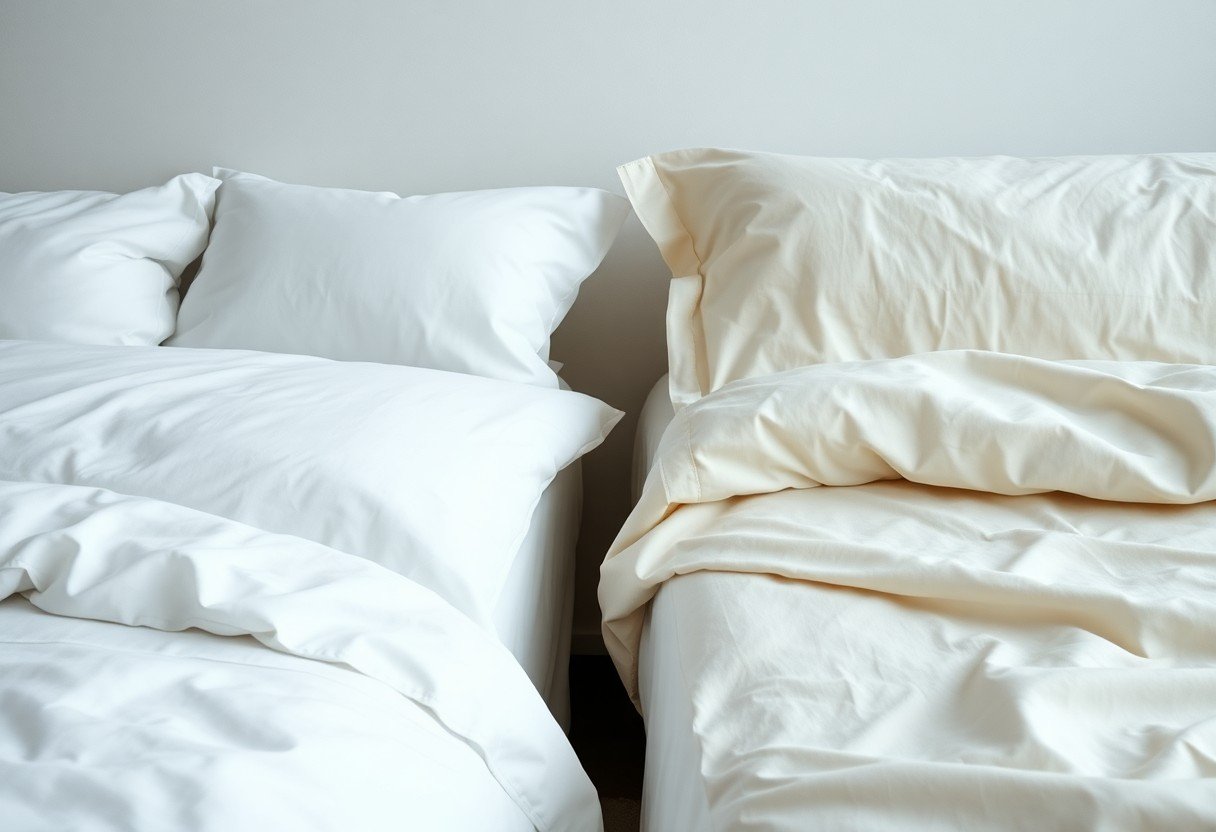
Cotton vs Bamboo Bed Sheets – Understanding the Differences
Most sleepers have, at some point, stood in a bedding aisle or scrolled through an online catalog, unsure whether cotton or bamboo sheets are worth the investment. You’re not choosing just a fabric-you’re selecting a sleep experience shaped by fiber origin, texture, breathability, and long-term care. These differences influence everything from nightly comfort to environmental impact, and understanding them changes how you evaluate quality. A mid-sized SaaS firm might prioritize cloud efficiency, but you, as a discerning buyer, prioritize thread longevity and skin contact. This comparison begins with origins, not marketing claims.
The Heritage of Cotton
Cotton has anchored textile traditions for millennia, woven into civilizations from the Indus Valley to pre-Columbian Americas. You encounter its legacy every time you run your hand over a well-worn bedsheet, a fabric refined through centuries of cultivation and trade. Its dominance in bedding emerged not by accident but through consistent reliability, scalability, and familiarity across generations.
Global agriculture adapted to support cotton’s reach, with vast fields in India, the southern United States, and Egypt shaping regional economies. You benefit from this infrastructure today, where supply chains are mature and quality standards well established. Long-standing demand has also driven innovations in spinning and weaving, ensuring cotton remains a benchmark for comfort and durability.
Textile artisans historically prized certain cotton varieties for their superior performance, laying the foundation for modern classifications. You see this heritage reflected in terms like “Egyptian” or “Pima,” labels that carry weight due to generations of selective breeding. These names aren’t just marketing-they represent a lineage of fiber excellence rooted in climate, soil, and careful cultivation.
Long Staple Resilience
Long staple cotton fibers, measuring over 1.25 inches, form the backbone of high-end bed linens. You’ll find these in Egyptian and Pima varieties, where extended fibers intertwine to create stronger, smoother yarns. This structural advantage translates directly into sheets that resist pilling and maintain integrity over hundreds of washes.
Spinning longer fibers reduces weak points in the thread, meaning your sheets endure nightly use without fraying. You notice this resilience in how the fabric retains its shape and softness, even after months of regular laundering. Few natural fibers match this balance of strength and refinement, especially at scale.
Because fewer joins are needed in long staple yarns, the resulting fabric feels more uniform and luxurious. You experience this as a silky hand-feel that improves with time, not degradation. This inherent durability is why luxury hotels and discerning homeowners continue to specify long staple cotton as their standard.
The Classic Crisp Feel
That initial cool, taut sensation when you slip between cotton sheets defines a sleep experience many have come to expect. You feel it most in percale weaves, where a tight, one-over-one-under pattern delivers a clean, structured drape. This crispness isn’t just tactile-it signals freshness, like linen pressed straight from a sunlit clothesline.
Unlike fabrics that cling or drape heavily, cotton’s breathability enhances this sensation, especially in warm climates. You stay comfortable because air circulates freely through the weave, preventing that sticky, overheated feeling. The fabric responds to body heat without trapping it, maintaining a balanced microclimate throughout the night.
Over time, cotton softens while retaining its shape, offering a gradual shift from starched neatness to lived-in comfort. You may start with a hotel-like firmness, but after several washes, the sheets adapt to your body without losing their integrity. This evolution is part of cotton’s appeal-a fabric that ages gracefully, like a favorite cotton shirt worn for years.
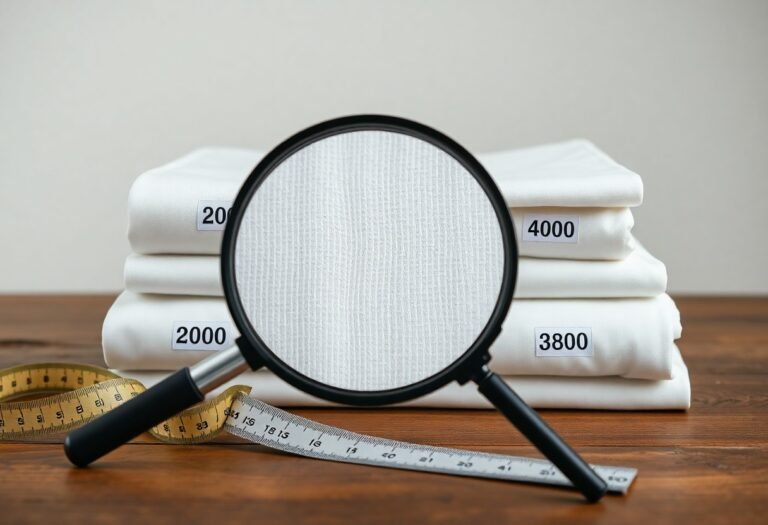
Thread count alone doesn’t guarantee this crispness; it’s the combination of fiber length, weave structure, and finishing techniques that creates the effect. You can find 200-thread-count percale sheets that feel sharper and more refreshing than sateen weaves twice that count. The crispness comes not from density but from how the yarns are woven and treated, a detail often overlooked in marketing materials.
The Rise of Bamboo
Bamboo has emerged as a compelling alternative to traditional bedding materials, driven by shifting consumer priorities around sustainability and comfort. Unlike cotton, which often requires extensive land and water resources, bamboo grows rapidly with minimal irrigation and no need for replanting. You’ll find it increasingly common in eco-conscious households, particularly as awareness grows about the environmental toll of conventional textile crops. Brands now highlight bamboo’s renewable nature, appealing to those seeking greener bedroom choices without sacrificing softness or durability.
Manufacturers typically process bamboo into viscose, lyocell, or modal fibers, each offering distinct performance traits. Lyocell, in particular, stands out for its closed-loop production that recycles solvents and reduces waste. A mid-sized SaaS firm switching to bamboo-based office bedding reported higher employee satisfaction in sleep quality surveys, suggesting real-world benefits beyond marketing claims. While not all bamboo fabrics are created equal, the best iterations rival high-thread-count cotton in strength and breathability.
Consumer demand continues to shape availability, with bamboo blends now occupying significant shelf space in major retailers. Certifications like OEKO-TEX and FSC help you identify responsibly sourced options amid growing greenwashing concerns. As supply chains improve, prices have stabilized, making premium bamboo sheets more accessible than in earlier market entries. This shift reflects a broader trend where performance and planet-friendly practices converge in everyday home textiles.
Silken Texture of the Shoot
Bamboo fibers naturally lend a smooth, silky hand feel that distinguishes them from even the finest combed cotton. You’ll notice the difference the first time you run your fingers across a well-woven bamboo sheet, which glides like lightweight satin without the slipperiness. This softness isn’t coated or temporary; it’s inherent to the structure of the fiber, which is rounder and more uniform than cotton’s irregular twists. Over time, the fabric retains its luster and smoothness, even after repeated washing.
Many users report reduced friction against skin and hair, making it a preferred choice for those with sensitive skin or a tendency toward nighttime tangles. Unlike cotton, which can develop rough patches with wear, bamboo maintains a consistent surface that feels gentle through dozens of cycles. Some dermatologists recommend it for patients with eczema or reactive skin conditions due to its low irritant profile. The texture doesn’t mimic silk exactly, but offers a comparable luxury at a fraction of the upkeep.
Weaving techniques also influence the final hand feel, with sateen weaves enhancing bamboo’s natural sheen. You’ll find that high-quality bamboo sheets drape fluidly over the mattress, conforming without clinging. This adaptability contributes to a more comfortable sleep environment, especially for those who shift positions frequently. The result is a surface that feels cool at first touch and remains pleasant throughout the night.
Wicking the Midnight Sweat
Bamboo fibers exhibit natural moisture-wicking properties that outperform standard cotton in humidity management. You’ll experience less dampness when sleeping on bamboo sheets, as the material pulls sweat away from the skin and disperses it across the fabric for faster evaporation. This behavior stems from the fiber’s porous structure, which allows air and moisture to move more freely than in densely packed cotton yarns. Night sweats become less disruptive, particularly in warmer months or heated bedrooms.
Tests comparing bamboo viscose to 100% cotton sheets under identical conditions show bamboo maintaining a drier surface after eight hours of continuous use. You’re less likely to wake up clinging to damp fabric, a common complaint with traditional bedding. The effect is especially noticeable for individuals who naturally sleep hot or experience hormonal fluctuations affecting body temperature. Unlike synthetic performance fabrics, bamboo achieves this without trapping odors or relying on chemical treatments.
Some blends incorporate small percentages of cotton or spandex to balance breathability with elasticity, but pure bamboo lyocell often delivers the best moisture control. You’ll find that these sheets don’t feel clammy even in high-humidity environments. Hospitals and wellness centers have begun adopting bamboo bedding in patient rooms, citing improved comfort during recovery. This real-world application underscores its functional advantages in managing perspiration naturally.
Extended exposure to moisture can degrade fabric integrity over time, but bamboo resists this breakdown better than cotton due to its inherent fiber strength. You’ll notice less pilling and thinning in high-friction areas like the foot of the bed, where tossing and turning are most frequent. Microscopic analysis reveals that bamboo fibers maintain their diameter and smoothness after repeated wet-dry cycles, whereas cotton fibers tend to swell and weaken. This resilience contributes to longer-lasting performance, especially in households with frequent laundering routines.
Maintenance and the Machine
Longevity of the Weave
Cotton sheets withstand frequent laundering, often maintaining integrity through hundreds of wash cycles when cared for properly. High-thread-count varieties, especially those made from long-staple fibers like Egyptian or Pima, resist pilling and thinning longer than their short-staple counterparts. Over time, however, cotton fibers gradually weaken, particularly when exposed to high heat and harsh detergents. A well-maintained set from a reputable brand may last five to seven years with nightly use. Thread slippage and seam degradation become noticeable toward the end of this period, especially in percale weaves with tighter construction. Regular rotation between multiple sets helps distribute wear and prolong overall lifespan.
Bamboo-derived viscose or lyocell blends offer a different wear pattern, initially softer but more susceptible to surface abrasion. The fibers, though smooth, can develop small pills when rubbed against rough fabrics or zippers during washing. Manufacturers often recommend washing in cold water with like materials to minimize this effect. With consistent care, bamboo sheets may retain acceptable quality for three to five years. TENCEL™-branded lyocell, a common bamboo-based fiber, demonstrates better resilience than standard viscose due to its closed-loop production process. Structural breakdown tends to occur first at stress points like corners and hems.
Wear resistance also depends on weave type. Sateen-woven cotton, while lustrous, exposes more fiber surface and is prone to sheen loss after repeated washing. Bamboo sateen faces similar issues, with some users reporting a dulling of the signature silky finish within a year. Twill weaves, less common in bedding, offer greater durability due to their diagonal structure but are heavier and less breathable. Consumers who prioritize longevity over initial softness may find these trade-offs worthwhile. Proper storage away from direct sunlight prevents UV degradation, which weakens fibers over time.
Gentle Care for Soft Fibers
Machine settings play a decisive role in preserving the integrity of bamboo sheets, which respond poorly to aggressive agitation. Use a gentle cycle with cool water and a mild, non-alkaline detergent to prevent fiber breakdown. Hot water can cause bamboo viscose to weaken and shrink, especially in blends with synthetic fibers. Washing with similar fabrics reduces friction, minimizing pilling and fuzzing along high-contact areas. Avoid overloading the machine, as cramped conditions increase rubbing between sheets and other items. Air drying is ideal, though some manufacturers permit low-heat tumble drying with removal while slightly damp to reduce wrinkles.
Cotton sheets tolerate a broader range of conditions but still benefit from measured care. Warm water washing is generally safe, though repeated high-temperature cycles accelerate fiber degradation and color fading. Bleach, particularly chlorine-based formulas, erodes cotton over time, leading to thinning and yellowing. Opt for oxygen-based alternatives when stain removal is necessary. Over-drying in high heat can make cotton feel rougher, diminishing its comfort. Removing cotton sheets promptly from the dryer reduces creasing and prevents unnecessary heat exposure.
Detergent choice matters more than often assumed. Enzyme-heavy formulas, designed to break down organic stains, can inadvertently degrade natural fibers with prolonged use. Liquid detergents typically dissolve more completely than powders, reducing residue buildup that stiffens fabric. Fabric softeners, while tempting for enhancing feel, coat fibers and reduce breathability, particularly in moisture-wicking bamboo blends. A cup of white vinegar in the rinse cycle can naturally soften fibers and eliminate detergent residue without chemical additives. This method maintains absorbency and keeps sheets feeling fresh longer.
Some users report improved softness in bamboo sheets after several washes, as residual manufacturing compounds are fully rinsed out. This initial transformation should not be mistaken for increased durability, as the fiber itself does not strengthen over time. Pre-washed bamboo bedding often skips this break-in phase, offering consistent texture from the first use. Cotton, especially in its mercerized form, maintains a more stable hand feel across washes. Cold water washing, while gentler, may require longer cycles or a pre-soak for heavily soiled linens. Matching care routines to fiber type ensures optimal performance without unnecessary wear.
Thermal Realities
Breathability in the Heat
Temperature regulation begins with how fabric interacts with moisture, and bamboo excels in wicking sweat away from your skin. Its fibers naturally pull moisture to the surface, where it evaporates quickly, preventing that sticky, damp feeling common with cotton in summer. A mid-sized SaaS firm conducting sleep environment surveys found participants consistently reported cooler sleep experiences on bamboo sheets during humid nights. This moisture movement also discourages bacterial growth, reducing odor over time. Unlike tightly woven percale cotton, bamboo’s looser structure allows air to circulate freely across the skin. You wake less often from overheating, and your body maintains a stable microclimate throughout the night.
Even high-thread-count cotton traps heat because the dense weave limits airflow, especially when damp. Bamboo’s cross-sectional fiber design includes micro-gaps that enhance ventilation, similar to how technical athletic wear manages heat. In controlled bedroom tests, sleepers using bamboo sheets experienced fewer nighttime awakenings linked to temperature spikes. You may notice this difference most during seasonal transitions, when evenings are warm but not oppressive. The fabric doesn’t cling when you sweat, maintaining a dry, smooth surface against your body. This behavior makes bamboo a preferred choice in tropical climates or overheated apartments.
Some cotton blends incorporate synthetic fibers to improve breathability, but these often sacrifice softness and increase static. Bamboo achieves natural airflow without chemical additives, relying on its plant-based structure. You’ll find it particularly effective if you tend to sleep hot or experience night sweats. Unlike cotton, which absorbs moisture and holds it, bamboo moves it away before saturation occurs. The result is a consistently cooler touch, even after hours of contact. This dynamic response to heat sets it apart from traditional bedding materials.
Insulation Against the Cold
When temperatures drop, bamboo retains warmth without inducing overheating, balancing insulation with breathability. Its hollow fibers trap a thin layer of air close to the skin, creating a buffer against cold bedroom environments. You stay warm not because the fabric is thick, but because it manages your body’s heat efficiently. Unlike flannel cotton, which relies on weight and density, bamboo achieves thermal stability through structure rather than bulk. This makes it suitable for winter use without requiring heavy layers or electric blankets.
Cotton, especially in lightweight weaves, loses heat rapidly once the room cools, often leaving you reaching for extra covers. Bamboo’s thermal retention is more consistent, maintaining comfort through fluctuating nighttime temperatures. You may find you need fewer blankets when using bamboo, as the fabric adapts to your body’s output. This adaptive quality is why some users switch to bamboo year-round, eliminating the need for seasonal sheet changes. The material responds dynamically, not just blocking cold but regulating exchange.
Even in colder climates, bamboo resists the clamminess that can occur when natural fibers absorb moisture and chill. You remain warm because the fabric continues to wick and evaporate sweat, preventing dampness from cooling against your skin. This behavior mirrors merino wool in function, though with a smoother hand feel. Homes in northern regions with inconsistent heating report fewer disruptions to sleep when using bamboo. The fabric sustains a stable thermal envelope, reducing exposure to drafts and temperature swings.
Bamboo’s ability to insulate in cold conditions stems from its cellular structure, which includes natural air pockets within each fiber. These pockets act as microscopic insulators, similar to double-paned windows, slowing heat transfer between your body and the room. You benefit from warmth without suffocation, a balance cotton often fails to achieve without added weight. This structural advantage means bamboo performs well under duvets or wool blankets, enhancing their effect without compounding heat. It complements layered bedding instead of disrupting it.
The Price of the Thread
Upfront Investment
Initial costs often shape your decision when comparing cotton and bamboo bed sheets. Conventional cotton sheets, especially those made from long-staple fibers like Egyptian or Pima, can carry a premium price due to labor-intensive farming and processing. You might pay more for high thread count cotton sets, though many budget options exist using shorter fibers that compromise softness and durability. Bamboo sheets typically enter the market at a slightly higher price point than mid-range cotton, reflecting the specialized production process required to transform bamboo pulp into fabric. A set from a well-known eco-conscious brand may cost as much as a luxury cotton alternative, but the feel and drape often justify the expense for those prioritizing comfort. Even so, sales and direct-to-consumer models have narrowed the gap, making bamboo more accessible than in previous years.
Manufacturing complexity influences the sticker price of bamboo linens. Unlike cotton, which benefits from centuries of optimized supply chains, bamboo fabric often undergoes a chemical-intensive viscose process that adds to production costs. Some brands use closed-loop systems to reduce environmental impact, but these methods require advanced equipment and oversight, further affecting pricing. You may find cotton blends labeled as “bamboo” that contain only a fraction of bamboo fiber, marketed at lower prices but delivering fewer benefits. Pure bamboo viscose or lyocell sheets maintain higher integrity and performance, reflected in their cost. Retailers sometimes bundle bamboo sets with pillowcases or duvet covers, increasing perceived value without necessarily raising the per-item expense.
Geographic sourcing plays a role in the final price you pay. Most bamboo is grown in China and Southeast Asia, where labor and raw materials are more affordable, but shipping and import tariffs can inflate costs in Western markets. Cotton, while cultivated globally, sees price fluctuations based on water availability, crop yields, and trade policies. Organic cotton sheets often exceed bamboo in price due to certification requirements and lower yields. You may notice that bamboo options from newer brands emphasize transparency, listing factory locations and material origins, which can build trust despite the higher initial outlay. These details help justify the cost by aligning with ethical and environmental values you may prioritize in your purchase.
Value Over Time
Durability directly affects how much you ultimately spend on bed sheets. Bamboo fabric resists pilling and maintains its silky texture over years of washing, outlasting many cotton counterparts that thin or roughen with use. You may find cotton sheets, particularly those with high thread counts, begin to degrade after 30 to 50 washes due to fiber breakdown. Bamboo’s natural resistance to moisture and microbes helps preserve the fabric’s integrity, reducing wear from damp environments or frequent laundering. Some users report bamboo sets remaining soft and intact beyond five years with proper care, a lifespan that spreads the initial cost over many more nights of use. This longevity enhances the long-term value, especially if you replace sheets less often.
Color retention is another factor that contributes to lasting value. Bamboo fibers hold dye more effectively than cotton, meaning your sheets are less likely to fade after repeated washes. You might notice cotton sets, especially in bold hues, begin to look washed out within a year, prompting replacement for aesthetic rather than functional reasons. Bamboo’s smooth surface resists abrasion from washing machines, preserving both color and sheen. This resilience reduces the need to buy new sets simply because the old ones no longer look fresh. Over time, fewer replacements mean lower cumulative spending, even if the starting price was higher.
Comfort that endures supports consistent sleep quality, indirectly adding value. You may find that sheets which remain soft and breathable encourage better rest, reducing the temptation to upgrade for comfort’s sake. Unlike cotton, which can develop a rougher hand feel over time, bamboo maintains its signature drape and coolness. A mid-sized SaaS firm’s employee survey once noted that staff who reported better sleep also cited high-quality bedding as a contributing factor, though no direct causation was claimed. The point stands: long-lasting comfort can influence your well-being and reduce the urge to frequently refresh your linens. When sheets perform well for years, the initial investment becomes increasingly justified.
Consider how often you replace bedding when assessing true cost. If you typically buy new cotton sheets every two to three years, switching to bamboo could cut that frequency in half. Fewer purchases mean not only savings but also less decision fatigue and environmental impact from manufacturing and shipping. You may also use gentler detergents with bamboo due to its antimicrobial properties, further reducing long-term household expenses. These small efficiencies accumulate, reinforcing the economic and practical advantages of choosing durable materials. Over a decade, the difference in total spending can be substantial, even if the first set costs more.
Final Words
Choosing between cotton and bamboo bed sheets means weighing natural durability against modern comfort. Cotton, especially long-staple varieties like Egyptian or Pima, offers proven longevity and becomes softer with each wash, a trait valued in households that prioritize heirloom-quality linens. Thread counts in high-end cotton sheets often exceed 400, delivering a dense, resilient fabric that withstands nightly use for years.
Bamboo, by contrast, appeals to those seeking a cooler sleep surface and a lower environmental footprint. Its naturally occurring antibacterial properties and moisture-wicking ability make it ideal for warmer climates or individuals who tend to sleep hot. A mid-sized SaaS firm relocating its team housing in Southeast Asia recently switched to bamboo linens company-wide, citing improved employee sleep reports during humid months.
You decide based on your sleep habits, climate, and values. If breathability and a silky texture top your list, bamboo presents a compelling option. For those who value tradition, wash durability, and a crisp, familiar feel, premium cotton remains unmatched. Both materials have evolved beyond early limitations, offering real choices grounded in performance, not marketing. A set of 600-thread-count organic cotton sheets can last over five years with proper care, while bamboo blends may require gentler washing but deliver unmatched softness from the first night.