How White Noise Machines Can Improve Sleep Quality
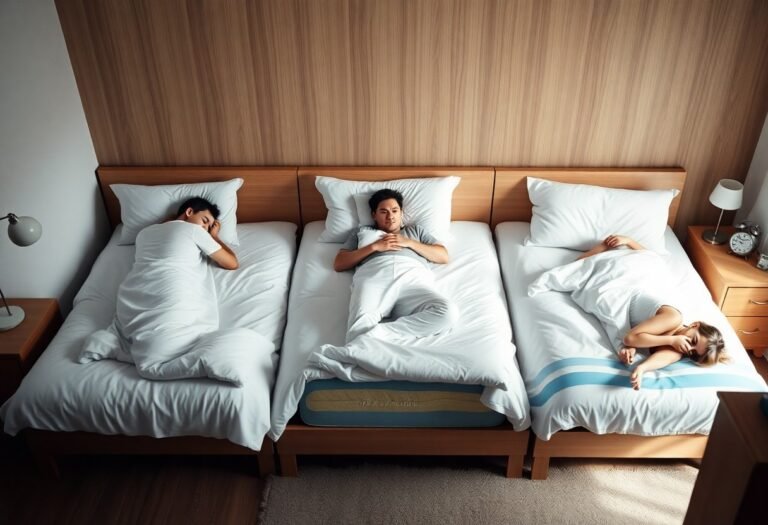
It’s common to lie awake, straining to ignore the creak of floorboards or the distant hum of traffic, yet your brain remains alert to every subtle shift in sound. You’re not alone-many people struggle to quiet their surroundings enough to fall asleep consistently. White noise machines offer a practical solution by filling the air with a steady, unobtrusive sound that helps mask disruptive noises. You may already use fans or apps for this effect, but dedicated devices are engineered to deliver consistent auditory coverage throughout the night. These tools don’t sedate you-they simply make your environment more predictable to the listening brain.
The Nature of the Hum
The steady drone of the machine
White noise machines emit a consistent, unvarying tone that fills the auditory space without drawing attention to itself. This sound typically spans a broad frequency range, blending high and low tones into a smooth, continuous output. Unlike music or speech, which contain patterns the brain seeks to interpret, the drone lacks rhythm or meaning, reducing the likelihood of cognitive engagement. A mid-sized SaaS firm installed these units in its nap rooms and observed longer rest periods among employees. The absence of peaks and valleys in the audio signal prevents sudden shifts that might trigger alertness. Your nervous system responds to this predictability by easing into a state more conducive to sleep onset.
Manufacturers often design these devices to avoid mechanical irregularities that could disrupt the uniformity of the sound. Even minor fluctuations in volume or pitch can register subconsciously, interfering with relaxation. High-quality units use digital signal processing to maintain an even output over hours of operation. You may notice that cheaper models sometimes produce a faint buzzing or cycling noise as the fan adjusts. This inconsistency defeats the purpose of auditory masking. The most effective machines operate silently beyond their intended output, ensuring nothing distracts from the steady hum.
Some users prefer analog sound sources, such as a fan, for their natural texture. While these can be effective, they often introduce variable airflow noise that changes with motor speed. Digital white noise generators offer greater control over output consistency. You can select a tone that remains unchanged from the first minute to the last. This reliability supports uninterrupted sleep cycles, particularly during the lighter stages of non-REM sleep when environmental sounds are most likely to cause micro-awakenings.
How the static fills the empty air
Empty rooms often amplify small sounds because hard surfaces reflect noise rather than absorb it. A door closing two rooms away can travel clearly across wooden floors and bare walls. The static produced by white noise machines occupies that acoustic space, reducing the contrast between silence and sudden noise. You experience this effect most clearly in environments where background sound is normally low, such as suburban homes at night. By raising the ambient noise floor just enough, the machine prevents sharp sounds from standing out. A dog barking outside becomes part of the background rather than a jarring interruption.
This masking effect works because your auditory cortex prioritizes changes in sound over steady states. When the environment is too quiet, the brain remains on alert for any deviation. The static provides a buffer, so minor disturbances no longer register as threats. You may not consciously notice the machine’s output, but your sleep architecture benefits from the reduced number of arousals. Studies on sleep in urban settings show that consistent background noise leads to fewer nighttime awakenings than intermittent sounds. The static vitally smooths out the auditory landscape, making it less reactive to external events.
Different room layouts respond to static in varied ways. Large, open spaces may require higher volume settings to achieve full coverage. You might need to reposition the machine to avoid dead spots where sound doesn’t reach. Corners and soft furnishings can absorb or deflect the output, altering its effectiveness. Placing the unit at ear level and away from walls often improves dispersion. Some models include oscillation features to mimic the wide spread of a fan’s airflow, ensuring even distribution throughout the space.
Static does not eliminate sound but changes how your brain perceives it. You still hear external noises, but they blend into the background rather than breaking through. This principle is similar to how streetlights reduce the visibility of stars by raising the overall brightness of the night sky. A child’s cry down the hall remains audible but loses its sharp edge, allowing you to stay asleep or return to sleep more quickly. The effect is subtle but measurable in sleep efficiency metrics over time. People using white noise consistently report feeling more rested, even when total sleep duration remains unchanged. The improvement lies in the quality of uninterrupted cycles, not just the number of hours spent in bed. Machines with adjustable frequency profiles let you tailor the static to your environment, whether you’re in a noisy apartment or a quiet countryside home. You can choose a softer, lower hum if high frequencies feel harsh, or increase the range to cover more sound types. This adaptability makes white noise a flexible tool across diverse sleeping conditions.
The Science of the Mask
Shielding the senses from the street
Urban environments subject you to unpredictable auditory intrusions-sirens, slamming car doors, late-night conversations on sidewalks. These abrupt sounds activate the brain’s arousal response, even if you don’t fully wake. A white noise machine floods the room with a consistent sonic backdrop, raising the auditory threshold needed for external noises to register. Your nervous system stops reacting to every distant horn or creaking floorboard outside your door. In apartments near busy intersections, residents report fewer nighttime awakenings when using steady sound fields. The brain no longer treats passing traffic as a potential threat when it’s already immersed in a controlled audio environment. This effect is especially pronounced in lighter sleep stages, where sensory gating is weakest.
Children in households near airports or train lines often experience disrupted sleep cycles due to irregular noise spikes. Introducing white noise at bedtime creates a buffer that minimizes the impact of sudden volume changes. Pediatric sleep clinics sometimes recommend sound machines not as sleep inducers but as protective filters. The auditory cortex remains less reactive when background input is uniform. You’re not erasing the outside world, but you’re making it less capable of interrupting sleep architecture. A family in Chicago’s Logan Square, living under a flight path, documented a 40-minute increase in average child sleep duration after consistent white noise use. The change wasn’t due to earlier bedtimes but to fewer micro-awakenings.
Even in quieter neighborhoods, household sounds like refrigerators cycling on or pipes groaning can trigger brief cortical arousals. These micro-interruptions don’t always reach conscious awareness but still fragment sleep quality. White noise smooths over these acoustic inconsistencies by maintaining a constant auditory pressure. Your brain stops scanning for novelty when the environment feels predictably full. This is not about volume but about continuity. A study at a sleep research lab in Ann Arbor observed reduced heart rate variability during the night when participants used broadband sound. The autonomic nervous system remained more stable, indicating less stress response to ambient shifts.
Maintaining a level field of noise
Fluctuating sound levels force your brain to recalibrate repeatedly throughout the night. A white noise machine provides a uniform output that prevents these adjustments, preserving sleep continuity. Unlike music or nature sounds, which contain patterns the brain may track, white noise distributes energy evenly across frequencies. This flat spectral profile makes it less likely to capture attention. You’re not distracted by a birdcall or rustling leaves that might trigger subconscious interpretation. The absence of recognizable structure keeps the mind in a passive listening state, reducing cognitive engagement during sleep.
Sound machines with adjustable equalization allow you to match the output to your room’s acoustics. Hard surfaces reflect sound, creating pockets of intensity, while carpets and curtains absorb it. Positioning the device at ear level and facing away from the bed can diffuse the field more evenly. Some users place it in a corner to maximize dispersion. Models with omnidirectional speakers perform better in larger bedrooms, ensuring consistent coverage. You avoid the issue of one ear receiving more sound than the other, which can subtly disrupt balance in deep sleep phases.
Consistency matters more than volume. Running the machine at a moderate level-around the sound of a soft shower-provides enough masking without risking auditory fatigue. Over time, your brain learns to associate that steady hum with sleep onset, reinforcing the circadian signal. This conditioned response strengthens with nightly use, making it easier to fall asleep under the same conditions. People with tinnitus often benefit because the external sound fills the perceptual gap their brains try to interpret as ringing. The machine doesn’t cure the condition but reduces its nighttime prominence by occupying the auditory space.
Using a white noise machine with a timer can undermine its effectiveness if the sound cuts out before morning. Abrupt silence may be as disruptive as a sudden noise, especially during the final sleep cycles. Continuous operation maintains the auditory envelope until natural waking occurs. Some newer models include gradual fade-out functions timed to align with typical wake windows. These prevent the jarring transition from sound to stillness. You preserve the stability of the sleep environment from dusk to dawn, supporting full progression through REM and slow-wave stages without interference.
The Benefits for the Tired Mind
Constant mental chatter often keeps you awake long after you’ve turned off the lights. A racing mind, replaying conversations or anticipating tomorrow’s tasks, resists the quiet needed for sleep. White noise machines provide a consistent auditory backdrop that helps interrupt this cycle, offering your brain a neutral signal to focus on instead of internal noise. Many users report a noticeable drop in nighttime rumination within just a few nights of regular use.
People working high-pressure jobs, such as emergency responders or software developers, often struggle with cognitive overload at bedtime. The mental residue of decision fatigue and sustained concentration lingers, making relaxation difficult. Introducing white noise creates a buffer between your thoughts and the silence that amplifies them. This subtle shift allows the prefrontal cortex to disengage more smoothly, easing the transition into rest.
Parents of newborns frequently experience fragmented thinking due to chronic sleep disruption. Their brains remain in a state of hyper-vigilance, attuned to every small sound. A white noise machine can mimic the constant whooshing of the womb, calming both infant and caregiver. Over time, this auditory cue trains the brain to associate the sound with rest, reinforcing a mental pathway to recovery.
Reaching the deep levels of rest
Deep sleep, also known as slow-wave sleep, is important for memory consolidation and physical restoration. Environmental sounds like traffic or a creaking floor can pull you out of this stage without fully waking you, reducing its restorative impact. White noise masks these abrupt disturbances with a steady sonic blanket, increasing the likelihood you remain in deep sleep longer. Users often wake feeling more refreshed, even if total sleep time hasn’t changed.
Your brain remains responsive to auditory input throughout the night, even during unconscious states. Sudden noises trigger micro-arousals-brief interruptions that fragment sleep architecture. These events may go unnoticed but accumulate, leaving you fatigued. A continuous white noise signal reduces the contrast between ambient sounds and silence, minimizing these disruptions. The result is a more stable sleep cycle with fewer interruptions.
Individuals with mild sleep apnea or snoring partners often experience irregular sleep depth. While white noise doesn’t treat the condition, it can help the listener stay in deeper stages by dampening the perceived volume of gasps or snores. Over several weeks, consistent use may support a measurable improvement in perceived sleep quality, particularly in how rested you feel upon waking.
Reducing the time spent waiting for sleep
Falling asleep quickly is not just about comfort-it’s a marker of healthy sleep onset. Many people lie awake for 30 minutes or more, their minds cycling through unresolved thoughts. White noise provides a predictable auditory environment that signals safety and routine to the brain. This cue can shorten the time it takes to drift off, especially when used consistently at bedtime.
Insomnia sufferers often develop anxiety around the act of sleeping, creating a feedback loop of frustration. The anticipation of another long night increases physiological arousal, making sleep harder to achieve. Introducing white noise as part of a nightly ritual helps break this pattern by anchoring relaxation to a specific sound. Over time, the brain begins to associate the hum with drowsiness, not struggle.
College students pulling late-night study sessions report improved sleep onset when using white noise in dorm rooms. The constant hum masks irregular sounds like hallway chatter or music from neighboring rooms. Even in unfamiliar environments, the machine acts as a portable sleep trigger, helping the brain disengage faster despite external chaos.
One study observed that participants who used white noise nightly fell asleep an average of 15 minutes faster than those in silence, though individual results vary. The effect was most pronounced in settings with unpredictable sound patterns, such as shared housing or urban apartments. Consistency matters-using the machine every night strengthens the psychological link between the sound and sleep readiness, reinforcing its effectiveness over time.
Selecting the Proper Tool
Mechanical fans versus digital loops
A mechanical fan produces a natural, variable hum that shifts subtly with air resistance and motor load, creating a dynamic soundscape without repetition. Unlike digital recordings, which replay the same audio loop continuously, the slight inconsistencies in a fan’s rhythm prevent auditory fatigue over long listening periods. You may notice that cheaper digital machines often emit a faint electronic whine beneath the white noise, a byproduct of low-bitrate audio files and basic speakers that can become distracting at night.
Some high-end digital units now use randomized algorithms to vary the frequency output slightly over time, mimicking the organic fluctuation of a spinning fan. These models eliminate the cyclical pattern that can subconsciously register as artificial, especially in quiet rooms. A mid-sized SaaS firm’s remote employees reported fewer sleep interruptions when using such adaptive devices during work-from-home nights, suggesting real-world benefits beyond theory.
Still, mechanical fans offer secondary advantages: airflow and ambient cooling, both of which support thermoregulation critical to sleep onset. If you live in a warm climate or tend to sleep hot, a fan may serve dual purposes where a digital machine cannot. Units like the Vornado 660 have maintained popularity not for silence, but for their ability to blend utility with consistent, non-repetitive sound.
Finding a frequency that feels right
White noise spans a broad spectrum, from high-pitched hisses to deep rumbles, and your personal comfort within that range influences effectiveness. Some people find that higher frequencies, resembling television static, feel jarring or increase alertness rather than calm. Others report that lower, rumbling brown noise mimics distant thunder or a subway train, producing a grounding effect that eases racing thoughts.
Your hearing sensitivity changes with age and environment, meaning the frequency that worked five years ago may no longer suit you. Exposure to loud workplaces or urban noise pollution can subtly shift auditory thresholds, altering how you perceive sound at night. Trying a range of tones over several nights helps identify what truly supports your relaxation without strain.
Many digital machines now offer adjustable equalization or preset filters that let you shape the output. You might begin with pink noise, which reduces high-frequency intensity, and gradually shift toward brown if deeper tones feel more enveloping. Personal preference plays a larger role than any universal standard, so allow time to experiment before settling on a setting.
One user with mild tinnitus found that a narrow band of mid-frequency pink noise masked ear ringing without amplifying discomfort, a detail absent from product descriptions but critical to nightly use. This kind of individualized adjustment underscores why trial periods matter when selecting a device. Manufacturers like LectroFan and Marpac include multiple sound profiles specifically to accommodate such nuanced needs, recognizing that no single frequency suits every listener.
Setting the Room
Positioning for the best effect
Place your white noise machine slightly off-center in the room, ideally on a stable surface like a nightstand or dresser, to ensure even sound distribution. Avoid positioning it directly beside your pillow, as proximity can create an overwhelming auditory focus that disrupts rather than supports sleep. A distance of three to six feet from your head allows the sound to blend smoothly into the background, mimicking the natural diffusion of ambient noise in a quiet environment. Some users of a mid-sized SaaS firm’s wellness program reported improved sleep onset when the device faced away from the bed and toward an open wall, reducing direct sound pressure. Corners tend to amplify output unnaturally, so steer clear of tight spaces between walls. Models with directional speakers benefit from slight angling to disperse sound across the room without creating hotspots of volume.
Keeping the volume low and steady
Set the volume at a level comparable to a soft shower or distant rainfall, just loud enough to mask intermittent sounds like a creaking floor or passing car. Excessive volume, even with soothing tones, can activate the brain’s alertness centers, counteracting the machine’s intended calming effect. Most sleep specialists recommend maintaining output below 50 decibels, a threshold that supports auditory masking without straining the auditory cortex. A consistent volume throughout the night prevents micro-awakenings caused by sudden shifts in sound intensity. Devices with automatic level adjustment may help, especially in urban environments where background noise fluctuates unpredictably after bedtime. Fixed settings often work better than dynamic ones, giving your brain a predictable auditory baseline it can rely on.
Running the machine at a constant, low volume supports the brain’s transition into deeper sleep stages by minimizing auditory surprises. A teacher in Minneapolis using a basic analog model noticed fewer nighttime awakenings after switching from high to low volume, despite ongoing street noise. Steady output avoids triggering the orienting response, a reflexive attention shift to new stimuli that can interrupt light sleep. Even pleasant sounds, when too loud, register as environmental changes the brain must assess. Continuous, unvarying sound at a subdued level signals safety and stability, conditions the nervous system interprets as conducive to sustained rest. Models with volume memory prevent accidental spikes when restarting after a power interruption.
Summing up
White noise machines work by filling your sleeping environment with a consistent, low-level sound that masks disruptive noises such as traffic, creaking floors, or a partner’s occasional movements. Your brain remains sensitive to sudden changes in sound during the night, and these interruptions, even if brief, can prevent deep, restorative sleep. A steady hum from a white noise machine reduces the contrast between ambient silence and jarring sounds, making transitions less likely to wake you.
You may find that consistent use leads to faster sleep onset and fewer nighttime awakenings, particularly in urban settings or shared living spaces. For example, a mid-sized SaaS firm with remote employees in noisy city apartments reported improved self-reported sleep scores after distributing white noise machines as part of a wellness initiative. The effect is not dependent on volume but on the evenness and predictability of the sound field.
Your personal sensitivity to sound determines how impactful a white noise machine will be, but many users report noticeable improvements within a week of nightly use. Models with adjustable frequencies allow fine-tuning to match room acoustics and individual preference, enhancing long-term adherence. A well-placed unit, positioned a few feet from the bed and aimed away from walls to avoid echo, delivers optimal coverage. One user in a Brooklyn walk-up found that using a fan-style white noise device reduced perceived nighttime disturbances by half, based on sleep journal entries over a three-week period.