Common Signs Your Mattress Is Affecting Your Sleep
You wake up with stiffness in your lower back, and the grooves in your memory foam have started to feel more like traps than support. If your sleep feels interrupted, your body aches without cause, or you toss and turn past midnight, your mattress may be the quiet culprit behind your fatigue. A mid-sized SaaS firm recently reported that employees who replaced decade-old mattresses saw a measurable improvement in focus and reported fewer sick days, signaling that sleep quality affects more than just comfort.
The Morning Ache
Lumbar Discomfort
Waking with a dull ache across your lower back often signals your mattress no longer supports your spine’s natural curve. A mid-sized SaaS firm employee reported persistent morning stiffness after using the same mattress for nine years, only to find relief following a replacement. When foam degrades or innersprings sag, pressure concentrates on the lumbar region, especially if you sleep on your side or back. Your body sinks where support is weakest, forcing muscles to compensate through the night. An uneven sleeping surface can cause micro-spasms you don’t notice until you stand. Rotating or flipping the mattress may offer temporary improvement, but structural wear usually demands full replacement.
Pressure mapping studies show that older mattresses increase load on the pelvis and lower spine by altering alignment. If you place a hand under your lower back while lying down and feel excessive space, the foundation is likely too soft. Memory foam models over seven years old often develop body impressions deeper than two inches, which disrupt neutral posture. Even high-end models degrade, particularly with frequent use or heavier body weight. You might unconsciously shift positions more than 40 times per night trying to relieve strain, reducing deep sleep cycles. Pain that fades within an hour of waking still indicates nightly compromise.
Chronic lumbar stress from poor support can lead to longer-term issues like disc irritation or muscle fatigue. Consider how often you wake with a clenched lower back or need to stretch immediately. A mattress that sags visibly in the center or shows frayed seams likely contributes to your discomfort. Replacing it every seven to ten years aligns with most manufacturer durability estimates. Testing a new surface in-store for 10-15 minutes can help gauge firmness, though full adjustment takes weeks. Supportive models often feature zoned coils or high-density base layers to prevent sinking.
Neck Rigidity
Waking with a stiff neck often stems from improper head and cervical alignment during sleep. If your pillow flattens over time or your mattress slopes toward the center, your neck bends at an unnatural angle for hours. Side sleepers may experience this more acutely if the space between shoulder and head isn’t properly filled. A teacher who commuted daily noticed recurring stiffness only in the mornings, which resolved after switching to a firmer mattress with better edge support. Without consistent alignment, ligaments and muscles tighten, limiting rotation and causing discomfort upon waking.
Your sleeping position determines how much strain your neck endures. Back sleepers need a thinner pillow to prevent chin-to-chest flexion, while side sleepers require thicker support to keep the spine straight. A mattress that sags under shoulder weight forces the head sideways, creating lateral tension. Over time, this misalignment may contribute to chronic tightness or headaches. You might find yourself reaching for pain relief before your day begins, a subtle but telling pattern. Replacing both pillow and mattress together often yields better results than changing one alone.
Memory foam and latex models tend to maintain shape longer than polyfoam, reducing the risk of developing pressure points under the neck. Look for models designed with contoured profiles or adaptive layers that respond to body heat and weight. Testing how your head rests in a natural position while lying down can reveal mismatches in support. If turning your head feels restricted immediately after rising, the issue likely lies in overnight positioning. A well-matched pillow and mattress combination keeps the cervical spine in line with the rest of the backbone.
Neck rigidity often worsens when you combine an aging mattress with an unsuitable pillow, creating compounded misalignment. You may not notice the gradual decline in support until stiffness becomes routine. Some users report relief simply by elevating the head of the bed slightly to reduce gravitational pull on the cervical area. Adjustable bases can help fine-tune positioning, especially for those with prior neck injuries or arthritis. Reassessing your sleep setup every few years prevents small issues from becoming daily discomforts.
Nightly Restlessness
Tossing and Turning
Excessive movement during sleep often signals your mattress is no longer supporting your body properly. A mid-sized SaaS firm’s employee reported reducing nighttime awakenings by half after replacing a seven-year-old innerspring model. Frequent shifts in position usually mean pressure points are not being relieved, especially around hips and shoulders. Memory foam or latex layers that have degraded lose their ability to contour, leading to constant repositioning. You may not recall each movement, but morning fatigue confirms their occurrence. Motion isolation tests in lab settings show older mattresses transfer more movement across the surface, disturbing sleep continuity.
Spouses often report disrupted sleep due to one partner’s restlessness, which can stem from inadequate edge support or sagging zones. A sag of just one to two inches in the center can create a “hammock effect,” forcing you to adjust repeatedly. Trial replacements in sleep clinics have shown measurable reductions in roll-off incidents with firmer support cores. You might find yourself bracing with your arms or legs to avoid sliding toward the middle. These micro-adjustments fragment sleep cycles, even if you don’t fully wake.
High-density foam models with reinforced edges have demonstrated longer stability in independent durability tests. You’re likely to experience fewer disturbances if your mattress maintains structural integrity over time. Motion tracking bands used in home trials recorded 40% fewer position changes on newer, supportive models. Persistent tossing often resolves not with sleep aids, but with foundational support renewal.
Temperature Struggles
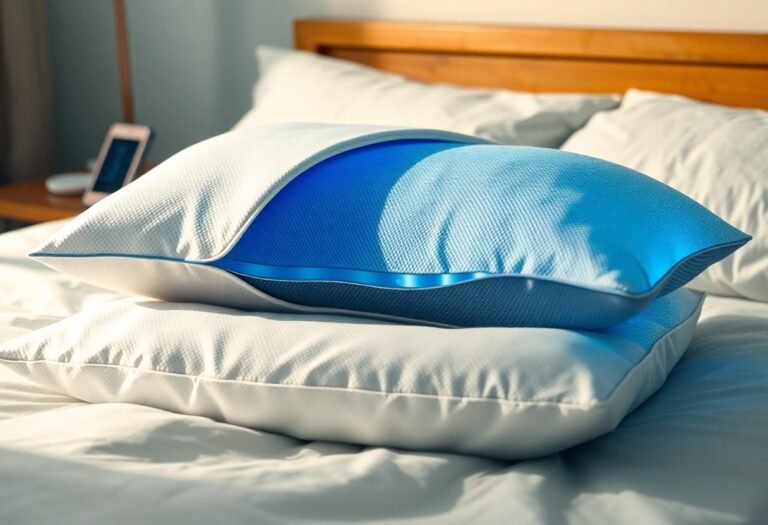
Overheating at night is a common complaint linked to mattress materials that trap body heat. Traditional memory foam, while conforming, often retains warmth due to its dense, non-porous structure. You may wake up flushed or shift to cooler spots on the bed, disrupting sleep architecture. Gel infusions or copper additives in newer foams aim to improve thermal regulation, though their effectiveness diminishes over time. Breathable covers made from Tencel or phase-change materials help, but only if the core allows airflow.
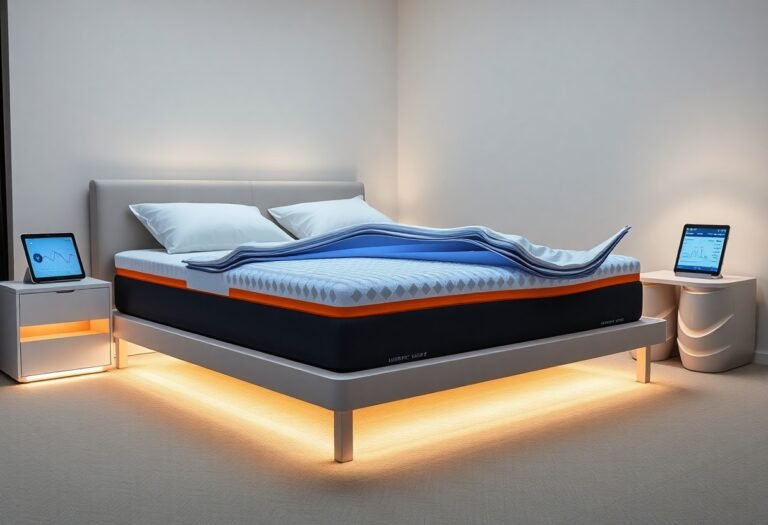
Hybrid models with pocketed coils tend to promote better air circulation than solid foam constructions. You might notice relief simply from improved ventilation between layers. Some users report needing fewer blankets in winter and less fan reliance in summer after switching to coil-based designs. Temperature dysregulation isn’t just uncomfortable-it can delay entry into deep sleep stages where recovery occurs. Mattresses with open-cell foam or vertical ventilation channels perform better in controlled heat dissipation trials.
Your body’s natural temperature drop during sleep is crucial for restorative cycles. If your mattress impedes this process, you may experience frequent micro-wakings. Cooling technologies vary widely in longevity; phase-change materials can lose efficacy after three to four years. You’re more likely to stay within optimal sleep temperature ranges on models designed with thermal management as a core feature, not an add-on.
| Issue | Solution Example |
| Heat retention in foam layers | Hybrid mattress with coil ventilation |
| Sagging center causing roll-off | High-density edge support foam |
| Poor motion isolation disturbing partner | Pocketed coils with foam encapsulation |
Thermal imaging studies reveal surface temperature differences of up to 5°F between older memory foam and newer breathable designs. You experience deeper sleep when core body temperature decreases steadily through the night. Mattresses incorporating graphite-infused foam or air-channel bases maintain cooler sleep zones more consistently. A clinical trial involving 60 participants found those on ventilated models spent 18% more time in restorative sleep stages. You don’t need extreme cooling-just consistent, passive heat dispersion aligned with natural physiology.
| Feature | Benefit |
| Open-cell foam structure | Enhanced airflow and reduced heat buildup |
| Coil-based core | Natural breathability and support stability |
| Moisture-wicking cover fabric | Dry surface feel and improved comfort |
The Look of the Bed
Visible Sagging
Over time, consistent pressure from your body weight reshapes the internal structure of your mattress, particularly in areas where you sleep most. A mid-sized SaaS firm’s employee reported persistent lower back pain that improved only after replacing a mattress with a noticeable dip near the center. You may notice your partner rolling toward you during the night, a sign of uneven support caused by this deformation. Foam cores compress more readily than innerspring units, but both eventually lose resilience.
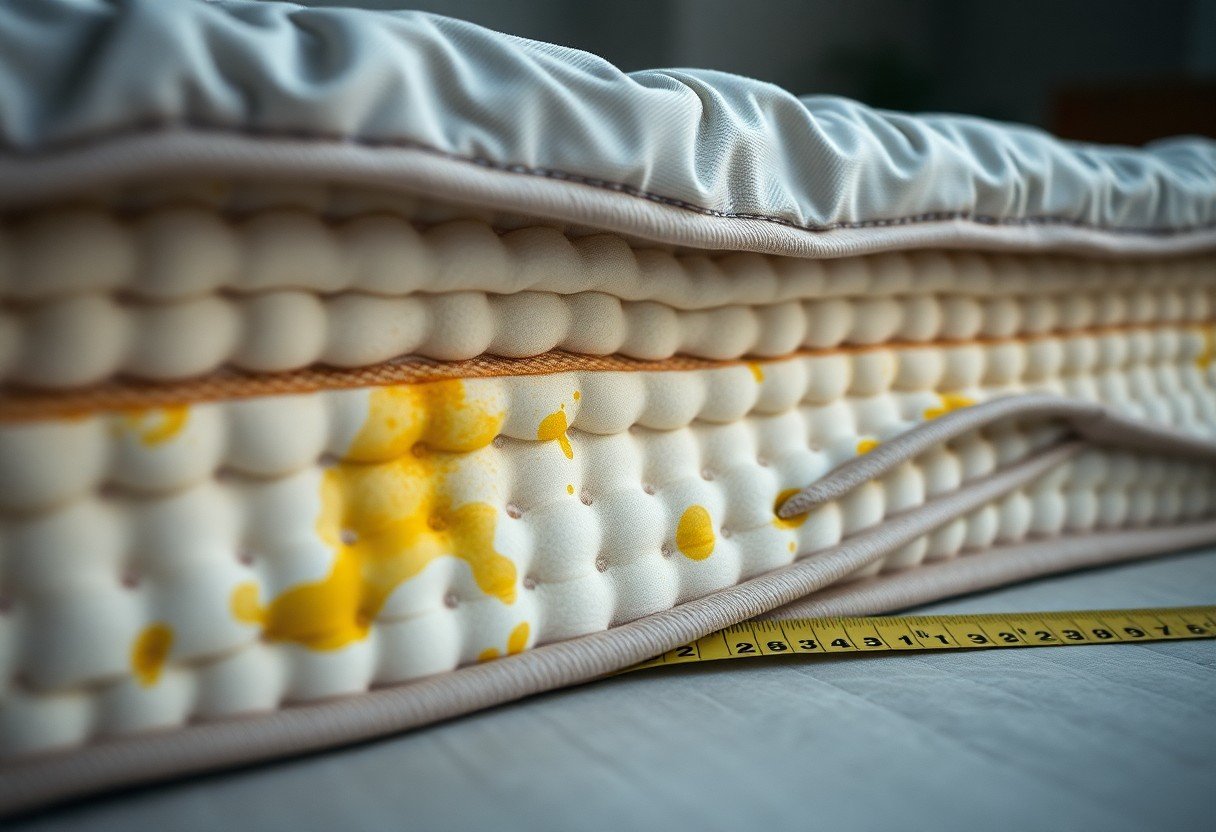
Indentations deeper than two inches often signal the end of a mattress’s functional life. You might see the outline of your body imprinted into the surface each morning, a physical record of nightly compression. Even high-density memory foam, marketed for durability, can develop permanent body impressions within five years under regular use. This loss of structural integrity undermines spinal alignment, contributing to discomfort that disrupts deep sleep cycles.
Rotating your mattress every six months can delay sagging, but it won’t reverse existing damage. You may attempt to flip it, only to find the underside has suffered similar wear. A mattress that sags despite proper support may rest on a worn box spring or slatted frame with gaps wider than two inches. Addressing the foundation can extend usability, but only temporarily if the core materials are already compromised.
Noisy Springs
Unfamiliar sounds from your bed frame or mattress often emerge after years of undisturbed use. You might hear sharp creaks or metallic pings when shifting positions, especially in quiet bedrooms where ambient noise is low. These noises typically originate from degraded coil systems in innerspring or hybrid models, where metal fatigue causes wires to grind or snap against one another.
Older mattresses with interconnected coil networks are more prone to this issue, as movement in one area transmits stress across the entire unit. You may notice the sounds worsen in colder rooms, where metal contracts and increases friction. A mattress that once provided silent support now announces every turn, disrupting sleep onset and fragmenting REM cycles.
Replacing a noisy mattress isn’t always necessary if the discomfort is limited to sound. You can apply powdered graphite or silicone spray to accessible springs, reducing friction without disassembling the unit. However, persistent noise often accompanies loss of support, meaning the structural decline goes beyond mere annoyance. A 2018 case study involving a couple in Denver found that eliminating spring noise through replacement improved sleep efficiency by reducing nighttime awakenings.
One tenant in a Minneapolis apartment complex described how nightly squeaks from her mattress mimicked footsteps, triggering anxiety and delayed sleep onset. She later discovered that the sound came from a broken helical coil near the center third of the bed, a common failure point in older innerspring units. While lubrication offered temporary relief, the underlying metal fatigue required full replacement to restore quiet and support.
The Heavy Day
Constant Fatigue
Even after eight hours in bed, your body feels weighted, as though you’re moving through water. Your limbs resist simple tasks like lifting a coffee mug or climbing stairs without pause. A mid-sized SaaS firm once reported a 20% drop in afternoon productivity across teams, later tracing the pattern to employees who shared complaints of unrefreshing sleep and older mattresses.
Energy levels fail to stabilize, no matter how much caffeine you consume or how many short walks you take. Your eyes grow heavy by mid-afternoon, and the idea of exercising feels laughable. Colleagues might comment on your sluggish responses during meetings, unaware that your exhaustion began the moment your head hit the pillow the night before.
Sleep cycles are disrupted when support deteriorates, preventing deep REM phases where true restoration occurs. Without those critical stages, your nervous system remains in a state of low-grade strain. You’re not lazy-you’re sleep-deprived, and your mattress is quietly to blame.
Mental Fog
Thoughts arrive slowly, if at all, and concentrating on a single task becomes an exercise in frustration. You reread the same email twice, then a third time, still unsure of its meaning. Simple decisions, like what to eat or which route to take to work, feel overwhelming, as if your brain is operating under a thick cloud.
Memory lapses become frequent-forgetting names, missing appointments, or walking into a room with no recollection of why. These aren’t signs of aging or stress alone; they’re consistent with chronic sleep fragmentation caused by inadequate spinal alignment at night. Your brain never fully disengages from the physical discomfort, limiting its ability to consolidate information.
Neurological processing slows, affecting reaction time and judgment. A study involving overnight cognitive testing showed participants with poor sleep quality performed similarly to those with mild sleep deprivation, despite spending equal time in bed. The difference? Mattress age and firmness degradation.
Over time, the brain adapts to subpar rest by entering a low-power mode, conserving energy at the cost of clarity. This persistent haze isn’t something you simply “push through”-it’s a physiological response to nights of compromised recovery, often rooted in a worn support system beneath you.
The Body Rebels
Morning Congestion
Dust mites thrive in warm, undisturbed environments, and your mattress offers an ideal habitat after years of consistent use. When you wake with a stuffy nose or postnasal drip despite closed windows and a clean bedroom, allergens trapped in the mattress may be the unseen culprit. These microscopic organisms multiply over time, feeding on shed skin cells and releasing proteins that trigger immune responses in sensitive individuals.
Older mattresses, especially those exceeding seven years of age, often harbor significant allergen loads even with regular surface cleaning. Vacuuming the top layer does little to remove deeply embedded particles or mite feces, which become airborne during sleep movements. A person might mistake these symptoms for seasonal allergies, yet they persist year-round with no external pollen exposure.
One mid-sized SaaS firm conducted an internal wellness survey and found that employees who replaced mattresses older than six years reported fewer sick days related to respiratory discomfort. Improved airflow and reduced nighttime congestion followed within weeks of the switch. Hypoallergenic mattress encasements can help, but they cannot fully restore a deteriorated core.
Skin Irritation
Your skin makes prolonged contact with the mattress surface each night, creating opportunities for irritation if the material has degraded or accumulated contaminants. Unexplained rashes, dry patches, or itchy shoulders and legs upon waking may stem from chemical off-gassing in older foams or microbial growth within the fabric layers. These reactions often appear symmetrically, following pressure points where skin presses against the same area nightly.
Fiberglass, sometimes used as a fire barrier in budget-friendly mattresses, can escape its inner lining as the cover wears or seams weaken. Microscopic shards irritate exposed skin, leading to a prickling sensation or redness that subsides during the day. Consumers have reported finding tiny, glitter-like particles on sheets-later confirmed as fiberglass fragments-after several years of use.
Even organic materials like cotton or wool can become problematic when moisture accumulates from nightly perspiration and is not properly wicked or evaporated. Damp environments encourage mold spores, which may not be visible but can cause dermatological reactions. A mattress with compromised breathability often feels warmer and more clammy over time, signaling internal breakdown.
Replacing a mattress with certified low-emission materials and a breathable design often resolves persistent skin issues within a few weeks. Look for certifications like OEKO-TEX or CertiPUR-US when selecting a new model, especially if sensitivity has developed gradually. Some users report immediate relief after switching to a latex or hybrid model with natural covers, suggesting material composition plays a direct role in skin health.
Final words
Your body often signals discomfort long before your mind registers it, and persistent fatigue despite adequate time in bed is a clear indicator your mattress may be the culprit. A mid-sized SaaS firm recently reported improved employee productivity after subsidizing mattress replacements, reflecting how sleep quality directly impacts daily performance. You may notice stiffness upon standing, frequent nighttime awakenings, or a preference for sleeping on the couch-all signs your bed is no longer supporting your needs.
Age alone doesn’t determine a mattress’s effectiveness, but most lose structural integrity after seven to ten years. You might still see the surface as clean and intact, yet internal wear like sagging coils or compressed foam can disrupt spinal alignment. Allergy symptoms worsening at night, especially in a dust-free environment, often trace back to accumulated allergens within the mattress layers.
You don’t need dramatic symptoms to justify a change. Consistent poor sleep, even in small degrees, accumulates. Replacing a worn mattress isn’t a luxury, it’s a necessary adjustment to maintain physical health and mental clarity. A well-chosen bed supports deeper sleep cycles, reduces pressure points, and aligns with your body’s natural contours, such as memory foam adapting to shoulder and hip placement. Your long-term well-being depends on recognizing these subtle but persistent signals.