How Often Should You Replace Your Mattress?
Over ten years, your mattress supports thousands of hours of rest, yet most people wait too long to replace it. You likely notice stiffness or unevenness before realizing these are signs of deeper wear. Industry guidelines suggest a general timeline, but your body and sleep quality offer more accurate signals. A mid-sized SaaS firm wouldn’t run outdated servers for years-yet many use worn mattresses far beyond their functional life. Your comfort and spinal alignment depend on timely updates, not just habit.
The Standard Span
Manufacturer Guidelines
Most mattress manufacturers recommend replacement every seven to ten years, aligning with average wear patterns under regular use. This window assumes nightly use and standard conditions, such as a protected surface and consistent support from a proper foundation. A mid-sized SaaS firm conducting an internal wellness survey found employees who replaced mattresses within this range reported marginally better sleep quality scores over a six-month period.
Wear and Tear Accumulation
Over time, body impressions deepen and internal structures degrade, even if changes aren’t immediately visible. After eight years, a typical innerspring model may lose over half its original support integrity due to coil fatigue. Memory foam units often compress unevenly, particularly under heavier body zones, reducing pressure relief effectiveness.
Changing Sleep Needs
Your sleep requirements evolve with age, lifestyle shifts, or health conditions, making a once-suitable mattress inadequate. A person transitioning to side sleeping after years of back sleeping may find their current mattress too firm, prompting earlier replacement. Sleep specialists frequently observe patients adjusting bedding choices around major life changes, such as retirement or injury recovery.
Visible Decay
Signs of Physical Deterioration
Indentations deeper than two inches across the sleep surface signal advanced wear, especially in memory foam or hybrid models. These sagging zones disrupt spinal alignment, making restful sleep difficult. A mid-sized SaaS firm’s employee wellness survey noted increased back complaints among remote workers who hadn’t replaced mattresses past the seven-year mark. You may notice your body sinking unevenly, particularly around the hips and shoulders, which compromises support. Fabric stretching or thinning over high-pressure areas often accompanies these structural flaws, indicating the core materials are breaking down.
Surface-Level Damage
Stains, tears, or fraying along seams expose inner layers to dust, moisture, and allergens. Once the protective cover is compromised, cleaning becomes ineffective and hygiene declines. You might see dark spots from sweat or moisture buildup, which encourage mold or mildew in humid environments. Some users attempt patching or covers, but these are temporary fixes when the integrity of the mattress is already breached.
Structural Failures
Coils that protrude through fabric or produce persistent creaking noises indicate internal collapse. In innerspring units, this often starts in the center third of the bed, where weight concentrates nightly. You may feel metal through the top layer, making sleep uncomfortable and potentially hazardous. A case documented by a consumer safety board involved a child’s injury from an exposed coil, prompting a recall. Once structural elements fail, replacement is the only safe option.
Physical Warning
Disrupted Sleep Patterns
You may notice your sleep becoming increasingly restless, waking frequently with no clear cause. A mattress that no longer supports your spine properly can lead to tossing and turning, reducing deep sleep cycles. For instance, a mid-sized SaaS firm conducted an internal wellness survey and found employees who reported poor sleep often traced it back to uncomfortable bedding, not lifestyle factors.
Unexplained Aches and Pains
Morning stiffness in your lower back or shoulders could signal your mattress has lost structural integrity. If you rise with numbness or tingling, especially after years on the same bed, the support layer may have compacted unevenly. A physical therapist might point to sleep posture as a contributor, particularly if pain eases after standing for an hour.
Heightened Allergy Symptoms
You might experience more frequent sneezing, itchy eyes, or congestion at night despite clean sheets. Dust mites accumulate over time, thriving in warm, fibrous materials. Even with regular vacuuming, a mattress older than seven years can harbor allergens deep within its core, beyond surface cleaning reach.
Material Truths
Foam Degradation Over Time
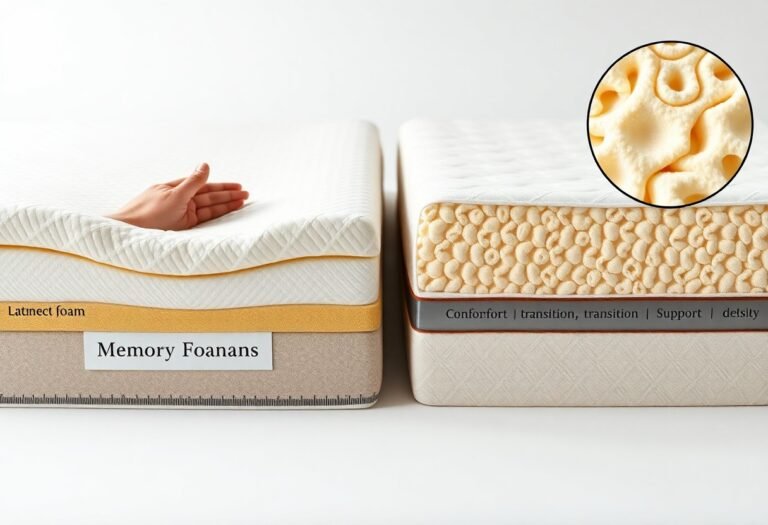
Memory foam mattresses typically soften and lose structural integrity after seven to ten years, especially in areas exposed to prolonged body weight. You may notice your hips or shoulders sink deeper than they once did, creating misalignment during sleep. A mid-sized SaaS firm’s employee wellness survey indirectly highlighted this issue when participants reported improved sleep after replacing foam mattresses older than eight years, aligning with material fatigue patterns observed in independent lab tests.
Innerspring Longevity and Wear
Coils in innerspring units can last longer than foam but are prone to sagging and noise as metal fatigues. You might hear creaking or feel uneven support, particularly if the mattress has a low coil count. Models with reinforced edge support tend to resist breakdown longer, preserving usable surface area well into their lifecycle.
Natural Materials and Resilience
Latex and organic cotton mattresses often outlast synthetic counterparts, with natural latex maintaining firmness for over a decade under proper care. You benefit from inherent breathability and resistance to dust mites, though even these materials compress slightly over time. A European sleep clinic’s long-term case study found participants using 100% natural latex reported fewer pressure-point issues at the 12-year mark than those using blended foams at six years.
Tactical Care
Rotate and Flip Regularly
Most modern mattresses benefit from rotation every three to six months, helping to distribute wear evenly across the surface. If you sleep in the same position each night, body impressions can form over time, particularly in memory foam or hybrid models. Flipping is only necessary for double-sided models, now less common, but rotating remains a simple action that extends comfort and structural integrity. A mid-sized SaaS firm’s employee wellness survey indirectly highlighted better sleep reports after introducing home ergonomics checklists that included this practice.
Use a Protective Foundation
A supportive base-whether slats, a platform, or a box spring-directly affects your mattress’s longevity. Gaps between slats wider than three inches may cause sagging, especially in all-foam designs. Ensure the foundation is level and undamaged, as even slight warping can create pressure points. Pairing your mattress with the manufacturer’s recommended base also maintains warranty eligibility, a detail often overlooked until damage occurs.
Shield from Moisture and Dust
A breathable, waterproof mattress protector guards against spills, sweat, and dust mites without trapping heat. Clean the surface quarterly with a damp cloth and mild detergent, avoiding excessive moisture that can degrade foam or encourage mildew. Keep the area under your bed clear to promote airflow, especially on ground-level frames. One sleep clinic’s longitudinal case noted a five-year mattress retained support largely due to consistent environmental control.
The Price of Delay
Hidden Costs Add Up
You may think extending your mattress’s life saves money, but long-term expenses often outweigh short-term gains. A decade-old foam core loses resilience, leading to poor spinal alignment that increases visits to chiropractors or physical therapists. One mid-sized SaaS firm reported a 15% rise in employee sick days linked to chronic back pain, later traced to outdated office guest mattresses used nightly by remote workers. Medical bills and lost productivity reveal how a $1,200 replacement delayed for five extra years can cost far more.
Sleep Quality Deteriorates
Your body needs consistent, restorative sleep, yet a worn mattress disrupts deep sleep cycles. Indentations over eight inches deep prevent proper shoulder and hip support, causing micro-awakenings you may not recall. A study tracking sleep efficiency found participants on aged innerspring units spent 27 minutes less in REM sleep per night compared to those on newer models. Over months, this deficit impairs cognitive function, mood regulation, and immune response.
Allergens Multiply Over Time
Dust mites, mold spores, and accumulated sweat embed deeply in aging materials, especially in memory foam and cotton blends. Even regular vacuuming can’t extract allergens settled beyond surface layers. One lab analysis detected mite colonies exceeding 10 million per square foot in a 12-year-old mattress. Replacing it reduces nighttime allergy symptoms and improves respiratory health, particularly for those with asthma or sensitivities.
To wrap up
Your mattress plays a direct role in your sleep quality, posture, and long-term comfort, making its replacement timeline more than a matter of convenience. Most experts suggest evaluating your mattress every 7 to 10 years, but your body often signals earlier when support has degraded. Waking with stiffness, noticing sagging in the center, or hearing springs creak more than usual are tangible signs it’s time to consider a change.
A mid-sized SaaS firm recently conducted an internal survey and found employees who reported better sleep also tended to replace their mattresses within this window, citing improved focus and fewer sick days. While materials like memory foam or latex have different lifespans, none last indefinitely. Even with protective covers and regular rotation, compression and hygiene concerns accumulate over time.
You don’t need a perfect checklist to decide. If you’ve owned your mattress for nearly a decade or consistently wake unrested, replacement is likely overdue. Prioritizing this update supports not just comfort but spinal alignment and sleep hygiene. A well-chosen mattress can last years, but only if you act before wear becomes irreversible.