What Are Weighted Blankets and How Do They Work?
Most people lie under a weighted blanket for the first time and notice it within seconds, a firm, even pressure that feels less like bedding and more like a steady hand resting across the body. You experience a physical sensation similar to being hugged or swaddled, one that signals safety to your nervous system. These blankets use evenly distributed weight-typically glass or plastic pellets sewn into fabric compartments-to apply gentle, consistent pressure across your body. You respond to this input through a process known as deep pressure stimulation, a tactile feedback loop that can influence the way your body regulates stress and sleep. While not medical devices, they’ve become common tools for those seeking more restful nights or moments of calm. You might use one to quiet a racing mind before bed, ease restlessness during meditation, or simply add structure to your evening routine. Their growing presence on beds, couches, and therapy rooms reflects a broader interest in non-pharmaceutical ways to support well-being.
The Heavy Truth of the Bedclothes
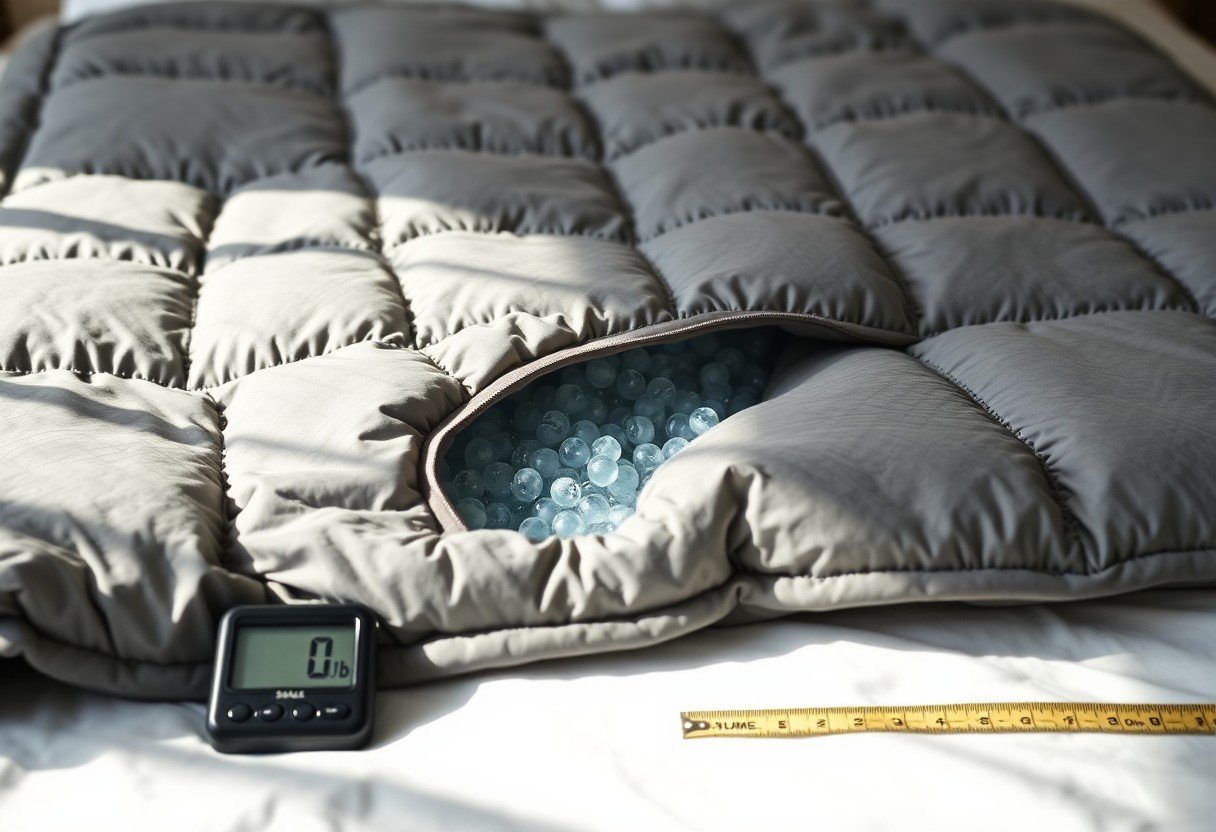
Weighted blankets rely on evenly distributed mass to apply gentle pressure across your body during rest. This sensation, known as deep touch pressure, mimics the feeling of being held or swaddled, which many find calming. The added weight comes from materials embedded within the fabric layers, carefully dispersed to avoid shifting or discomfort. A typical adult blanket ranges between 5 and 30 pounds, usually recommended at approximately 10% of your body weight for optimal effect. Unlike regular comforters, these blankets are engineered for consistent contact, not just warmth.
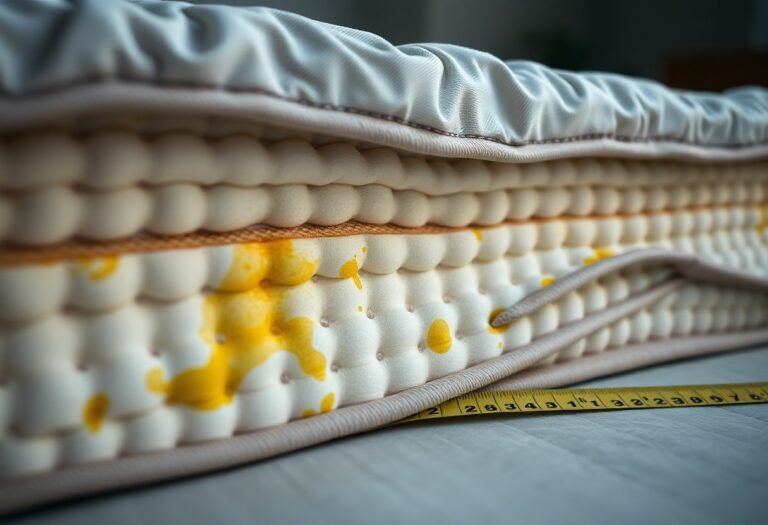
Manufacturers achieve this balance through compartmentalized stitching or internal grids that contain the weighting agents. Without such design, the contents would settle to one side, creating uneven pressure and reducing effectiveness. Some models use glass beads, others plastic pellets, each with distinct textures and thermal properties. The outer fabric also plays a role, with breathable materials like cotton or bamboo helping regulate temperature. Your choice influences not only comfort but durability and ease of cleaning over time.
These blankets originated in therapeutic settings, where occupational therapists used them to help individuals with sensory processing challenges. Over time, their use expanded to address insomnia, anxiety, and restlessness in the general population. Clinical observations and anecdotal reports suggest they may support relaxation by modulating nervous system activity. While not a medical device, their physical design taps into well-documented physiological responses to touch and pressure. Their growing popularity reflects a broader interest in non-pharmacological approaches to better sleep.
Beads and Pellets
Micro glass beads are a common weighting material, prized for their small size and uniform density. These beads feel smooth and settle quietly within the blanket’s fabric, offering a more even distribution than larger pellets. Because they’re finer, fewer gaps form between units, enhancing the sensation of continuous pressure. Their weight is concentrated without adding bulk, making the blanket easier to fold or store. Some users prefer this subtle, sand-like feel, especially in warmer climates where breathability matters.
Plastic poly pellets, often made from food-grade materials, provide a more economical alternative. They are slightly larger and can shift more easily if not properly secured within stitched pockets. While durable, they may produce a faint rustling sound when moved, which can be distracting for light sleepers. Their texture is less refined than glass beads, sometimes creating a crinkly sensation under pressure. Still, many brands use them successfully by increasing the number of internal compartments.
Each material affects the blanket’s drape, temperature regulation, and overall hand feel. Glass beads tend to retain less heat, making them suitable for those who sleep warm. Plastic pellets may trap more warmth, which some find comforting in colder months. The choice between them often comes down to personal preference, sensitivity to noise, and desired weight distribution. A mid-sized SaaS firm employee in Seattle reported switching from plastic to glass-filled models after finding the former too noisy during late-night work breaks.
The Quilted Anchor
Quilting patterns determine how well the weight stays in place and how the pressure feels across your body. A blanket with large, widely spaced squares may allow fill to migrate, leading to uneven coverage over time. Smaller, densely stitched sections prevent this shift, ensuring each part of your body receives consistent input. Some designs use vertical channels, others a grid, and a few employ a honeycomb layout for maximum retention. The stitching also influences flexibility, with tighter quilting reducing drape.
You’ll notice differences in comfort depending on the size and shape of these compartments. A 15-pound blanket with 4-inch squares distributes weight differently than one with 2-inch pockets, even if both use the same filling. Smaller sections enhance the feeling of envelopment, making the pressure feel more uniform and less lumpy. High-quality models often combine fine fill with tight stitching to achieve a smooth, seamless sensation. This construction mimics the precision found in medical-grade compression garments.
The integrity of the stitching affects longevity as much as performance. Over time, repeated use and washing can strain seams, especially if the blanket lacks reinforced borders. Double-stitched edges and reinforced corners help maintain structure, preventing tears or leaks. Some brands add internal baffles to further secure the fill, minimizing clumping. These details matter most after months of regular use, when cheaper models often begin to degrade.
One user in Minneapolis, after two years of nightly use, reported that only the blanket with cross-hatched quilting and double-stitched borders retained its original shape, while others developed thin spots near the foot area.
The Physics of the Gentle Squeeze
Pressure on the Person
Weight exerts a consistent, distributed force across your torso, limbs, and shoulders, mimicking the sensation of being lightly held. This pressure is not random; it follows the principles of deep pressure stimulation, where the blanket’s mass applies a steady input to the skin and underlying tissues. A typical adult-sized blanket ranges between 12 and 25 pounds, calibrated to approximately 10 percent of your body weight for optimal effect.
Each square inch of fabric contributes to a uniform load, avoiding concentrated points of heaviness that could cause discomfort. The internal filling-often glass or plastic pellets-is strategically layered to prevent clumping and maintain equilibrium. You experience this even distribution as a grounding presence, particularly when lying supine, where the weight settles symmetrically over the ribcage and pelvis.
Unlike a thick comforter that traps heat and shifts during movement, the design prioritizes stability and breathability. Cooling fabrics and segmented compartments ensure the weight remains where intended, even as you shift positions. A mid-sized SaaS firm’s employee, for instance, reported improved sleep onset after switching from a down duvet to a properly weighted, breathable model.
Calming the Inner Storm
Sensory input from the blanket influences your autonomic nervous system, shifting activity away from the hyperalert state governed by the sympathetic branch. The steady pressure acts as a non-invasive modulator, signaling the body that external threats are absent. You may notice a gradual easing of muscle tension, particularly in the shoulders and jaw, within minutes of settling under the fabric.
Neurochemical changes accompany this physical feedback; serotonin and dopamine levels appear to rise, while cortisol, associated with stress, shows signs of decline. These shifts are subtle but measurable, often reported in user journals as a “quieting” of mental chatter. Some individuals with anxiety disorders describe the sensation as akin to receiving a prolonged, wordless reassurance.
The effect is not immediate for everyone, but repeated use often strengthens the association between weight and relaxation. Over time, your brain begins to anticipate calm upon contact with the blanket, reinforcing the response through conditioned familiarity. A teacher with mild PTSD noted fewer nighttime awakenings after four weeks of consistent use, aligning with anecdotal trends.
Long-term users often report improved sleep architecture, with increased time spent in restorative sleep stages. This pattern suggests the blanket’s influence extends beyond initial relaxation, potentially supporting deeper physiological recovery. You may find that the mental clarity experienced upon waking becomes more consistent, a secondary benefit tied to uninterrupted rest cycles.
Picking Your Personal Burden
The Ten Percent Calculation
Weighted blankets are typically recommended to be approximately ten percent of your body weight, a guideline rooted in therapeutic practice. A person weighing 150 pounds would look for a 15-pound blanket, creating a sensation of gentle, even pressure across the body. This ratio emerged from occupational therapy settings, where deep touch pressure is used to calm the nervous system. While not a rigid rule, it serves as a reliable starting point for most adults. Some individuals may prefer slightly more or less based on personal comfort, but straying too far from this benchmark can reduce effectiveness or cause discomfort. A mid-sized SaaS firm employee in Portland reported improved sleep after switching from a 20-pound to a 15-pound blanket, aligning with this principle.
Manufacturers often design their product lines around this calculation, offering weights in five-pound increments. You’ll find standard options ranging from 10 to 30 pounds, catering to a broad spectrum of users. Children and smaller adults may need lighter versions, sometimes as low as five pounds, while larger individuals might seek custom options. The ten percent model does not scale perfectly at the extremes, so adjustments are common. A 200-pound person using a 20-pound blanket may find it effective, but someone weighing 90 pounds might feel overwhelmed by a nine-pound version. Trial and feedback from early users helped shape current industry standards.
Some brands now include sizing charts that factor in both weight and height, refining the original formula. You might see recommendations that suggest a 12-pound blanket for someone between 100 and 130 pounds, even if that falls slightly below ten percent. These nuanced adjustments reflect real-world usage and customer feedback. Sleep clinics have observed that patients often reject blankets perceived as too heavy, even if they meet the calculation. The goal is not precision but comfort that supports relaxation. A Brooklyn-based therapist noted that clients who stick with weighted blankets usually settle within a range of eight to twelve percent of their body weight.
Fitting the Frame
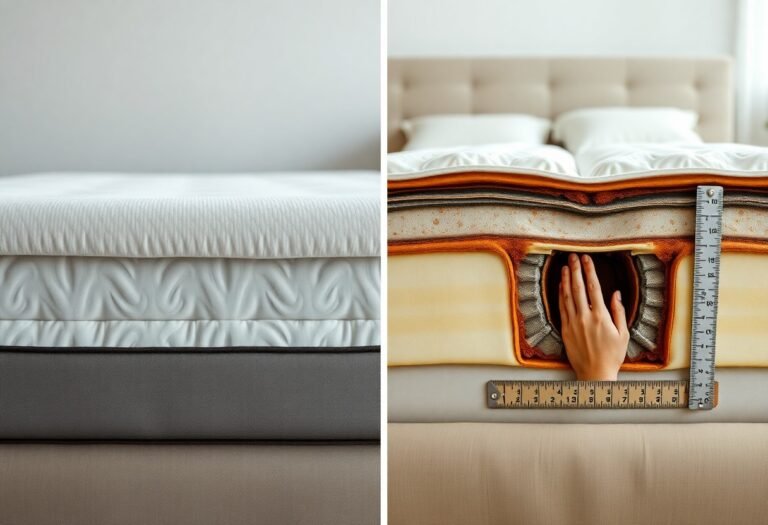
Size matters as much as weight when selecting a blanket, since coverage affects how pressure is distributed. You want a blanket that matches or slightly oversizes your mattress or sleeping area. A twin-sized blanket typically measures 42 by 72 inches, suitable for a single sleeper in a standard bed. If you tend to move around at night, a larger size ensures you remain covered and benefit from consistent pressure. Overhanging edges can drape naturally, adding a sense of enclosure without slipping off the bed. A queen-sized blanket, often 60 by 80 inches, accommodates couples or those who prefer full-body coverage.
Proper fit also prevents the blanket from bunching or sliding, which disrupts the sensory experience. You may find that a blanket too narrow restricts movement or slides off during sleep. Some users place a regular comforter on top to hold the weighted blanket in place. Others prefer duvet-style weighted blankets with removable covers for easier handling. A Chicago-based sleep consultant observed that clients who upgraded to a properly sized blanket reported fewer nighttime awakenings. Fit influences both physical comfort and psychological reassurance.
Children and petite adults should consider smaller dimensions to avoid excess fabric. A full-sized blanket on a smaller frame can feel overwhelming, even if the weight is appropriate. Look for options specifically labeled for kids or compact builds. A 30-pound blanket on a twin frame spreads weight more evenly than the same weight on a queen. The distribution of glass beads or plastic poly pellets within the blanket’s compartments also plays a role. Even stitching and balanced fill prevent pooling, ensuring pressure remains uniform across your body.
Height can influence how a blanket drapes, especially for taller individuals. If you are over six feet, a standard length may leave your feet exposed, reducing the calming effect. Some brands offer extended lengths for taller users, maintaining coverage without sacrificing weight distribution. You might need to check product specifications carefully, as not all companies provide this option. A Minneapolis-based reviewer noted that switching to a longer blanket eliminated the need for a separate foot covering, improving overall sleep continuity.
The Virtue of the Still Night
Hushing the Busy Brain
Weighted blankets apply deep pressure stimulation, a tactile input that signals the nervous system to shift from alertness to calm. Your brain interprets this consistent, gentle weight as a form of physical reassurance, similar to the comfort of a firm hug or swaddling. This sensory feedback can reduce cortisol levels while encouraging the release of serotonin and melatonin, neurotransmitters linked to mood regulation and sleep onset. A mid-sized SaaS firm employee reported falling asleep 20 minutes faster after integrating a 15-pound blanket into her nightly routine. The effect is not immediate for everyone, but many users notice improved sleep continuity within two weeks. Neural pathways begin to associate the blanket’s presence with rest, reinforcing a conditioned relaxation response over time.
Research involving adults with insomnia suggests that deep pressure can decrease heart rate variability, an indicator of physiological stress. Your breathing naturally slows as the blanket molds to your body’s contours, promoting diaphragmatic over chest breathing. Occupational therapists have used similar pressure techniques for decades to support clients with anxiety or sensory processing differences. The blanket does not sedate, but instead creates an environment where mental chatter is less likely to escalate. You may still experience thoughts at bedtime, yet they tend to pass more fleetingly, like clouds moving across a night sky.
Some users report vivid dreams or a sensation of warmth during initial use, both typically diminishing after a week. Your body adapts to the new sensory load, and the brain begins to treat the blanket as a sleep cue. Unlike sleep medications, the mechanism relies on physical input rather than chemical alteration. You remain fully conscious while transitioning more smoothly into drowsiness. The consistency of nightly use strengthens the psychological boundary between wakefulness and rest, making it easier to disengage from screens, worries, or unresolved tasks.
Halting the Midnight Kick
Periodic limb movements during sleep affect a significant number of adults, often disrupting sleep architecture without full awakening. Your legs may twitch or jerk involuntarily, typically every 20 to 40 seconds, fragmenting deep sleep cycles. The added mass of a weighted blanket can dampen these movements by increasing proprioceptive feedback-your body’s awareness of its position in space. This heightened sense of grounding reduces the frequency and amplitude of limb kicks, as the nervous system receives continuous input that discourages sudden motion.
Clinical observations note that individuals with restless legs syndrome often experience symptom relief when using weighted blankets, though results vary. Your muscles may feel more supported, reducing the uncomfortable urge to move that typically arises at rest. The pressure mimics the sensation of being lightly held, which can interrupt the neural loop responsible for restless leg sensations. One user with a diagnosed movement disorder reported a 60% reduction in nighttime leg activity after three weeks of consistent use.
The blanket’s weight does not eliminate the underlying cause of limb movements, but it alters the expression of the behavior during sleep. Your sleep partner may notice fewer disturbances, such as bed shaking or sudden shifts in position. Over time, fewer interruptions mean more time spent in restorative sleep stages. The effect is most pronounced in individuals whose movements are stress- or anxiety-related rather than purely neurological.
For those with severe restless legs syndrome or diagnosed periodic limb movement disorder, a weighted blanket should complement, not replace, medical treatment. Your physician may recommend iron level testing or dopamine-regulating medications if symptoms persist. However, the blanket can serve as a non-invasive adjunct, particularly for mild to moderate cases. Some users pair it with cooling pajamas or lower-weight options to prevent overheating, which can exacerbate leg discomfort. The combination of thermal regulation and deep pressure often yields the most consistent results.
Cautionary Tales of the Shroud
Hazards for the Small
Infants and toddlers face serious risks when exposed to weighted blankets due to their underdeveloped motor skills and respiratory systems. A blanket designed to provide deep pressure can become a life-threatening obstruction for a child unable to shift or remove it independently. Medical associations consistently advise against using these products for children under two, citing documented cases where improper use led to suffocation.
Even older children may struggle if the blanket exceeds recommended weight guidelines, which typically suggest no more than 10% of body weight. A five-year-old weighing 45 pounds should not use a blanket heavier than four to five pounds, yet many commercially available options exceed this limit. Parents who overlook these benchmarks risk compromising safety in pursuit of better sleep.
One reported incident involved a three-year-old who became entrapped beneath a 12-pound blanket not intended for young children. Despite no prior breathing difficulties, the child experienced oxygen deprivation requiring emergency intervention. Such cases underscore why age and weight specifications must be treated as non-negotiable boundaries, not mere suggestions.
The Necessity of Breath
Breathable fabric matters just as much as proper weight when selecting a blanket. Materials like cotton, bamboo, or microfiber allow air circulation, reducing the chance of overheating during prolonged use. A dense, non-porous cover may trap heat and moisture, turning a calming tool into a source of discomfort or even heat stress.
You may not notice rising body temperature at first, especially in a cool room, but over several hours, synthetic outer layers can contribute to elevated core heat. This is particularly concerning for individuals with conditions like multiple sclerosis or those prone to night sweats. Choosing a blanket with a ventilated design supports both safety and sustained comfort.
Some models integrate mesh panels or quilted stitching to enhance airflow without sacrificing weight distribution. These design choices reflect an understanding that pressure and breathability must coexist. A well-constructed blanket does not suffocate sensation-it modulates it.
Consider a mid-sized SaaS firm employee who switched to a bamboo-cotton blend after experiencing frequent awakenings due to warmth. The change eliminated night sweats without reducing the calming pressure she relied on. Material choice, not just weight, shaped her experience.
The Labor of the Laundry
Surviving the Agitator
Washing a weighted blanket demands attention to its internal structure, especially if it contains glass beads or plastic poly pellets. These fillers can shift or clump during a cycle, particularly in machines with a central agitator that creates turbulent motion. You risk damaging both the blanket and your washer if the load becomes unbalanced or the seams rupture from excessive strain. Front-loading machines are generally safer, offering a gentler tumbling action that reduces stress on stitching. Always check the care label; some manufacturers specify cold water and a delicate cycle to preserve integrity. A high-spin cycle may force fillers into corners, distorting weight distribution and diminishing therapeutic effect over time.
Using a mild detergent without bleach or fabric softener protects the fibers and prevents breakdown of the binding that holds fillers in place. Overloading the machine compromises cleaning efficiency and increases friction, which can lead to pilling or seam splitting. For a king-sized weighted blanket, a commercial washer at a laundromat often provides the necessary drum space for proper movement. Hand-washing is impractical due to the blanket’s density, making machine selection a practical necessity. Even with precautions, repeated washes gradually wear down the internal compartments, so limiting cycles to every three to six months helps extend lifespan.
Some models come with removable covers, a design that simplifies maintenance significantly. You can unzip and launder the outer layer separately, preserving the inner weighted core from frequent moisture exposure. This setup reduces wear on the heaviest component while allowing freshening of the surface that contacts your skin. Always ensure the zipper is fully closed before washing to prevent snagging. A cover-only routine means the main blanket rarely needs washing, minimizing structural fatigue. This separation of functions balances hygiene with durability, especially for those using the blanket nightly.
Drying the Weighted Heap
Drying a weighted blanket requires patience and strict adherence to manufacturer guidelines. Tumbling a saturated blanket with dense fillers risks overwhelming the dryer’s motor or creating uneven drying pockets that encourage mildew. You should use a low-heat setting, if machine drying is permitted at all, and monitor the cycle closely to prevent overheating. Some bead-filled blankets explicitly prohibit dryers, as heat can degrade the plastic or melt adhesive securing internal layers. Air-drying is often the safest method, though it demands ample space and time-up to 48 hours depending on humidity. Lay the blanket flat on a clean, dry surface, flipping it midway to ensure both sides dry evenly.
Never hang a wet weighted blanket vertically; the concentrated weight can stretch seams and distort the fabric beyond recovery. Gravity pulls downward with amplified force when waterlogged, compromising structural integrity. A mesh drying rack spread across sawhorses or a shower curtain rod can support the load horizontally, minimizing strain. If using a dryer, add dryer balls to fluff the fabric and prevent clumping, but avoid traditional fabric softener sheets that may leave residue. Check the blanket frequently, feeling for lingering dampness in the center panels where moisture hides longest. Even a slightly damp interior can develop odor over time.
For blankets with cotton or bamboo outer layers, high heat risks shrinkage, especially if the filler is unevenly distributed after washing. You may notice puckering or loose stitching if the fabric contracts around rigid compartments. Some users report success with multiple dryer cycles spaced over a day, pausing to redistribute the fillers by hand between runs. This method ensures thorough drying without overburdening the machine. Always confirm the blanket is completely dry before storing to prevent mold, particularly in humid climates. A faint mustiness after storage means moisture was trapped, signaling the need for longer drying next time.
A blanket filled with micro glass beads tends to retain less moisture than one with plastic pellets, making it slightly easier to dry. You may find that bead-based models respond better to machine drying on low heat, provided the casing is tightly woven and sealed. Still, air-drying remains the most universally safe option across materials. If you live in a dry, arid region, laying the blanket in indirect sunlight can accelerate evaporation while naturally deodorizing the fabric. Avoid direct sun for prolonged periods, as UV exposure can weaken fibers and fade colors over time. Proper drying isn’t just about convenience-it’s imperative for maintaining hygiene, weight consistency, and long-term usability.
To wrap up
You experience the effects of deep pressure stimulation each time you pull a properly weighted blanket over your body, a sensation akin to a steady hand resting on your shoulder or a firm hug. This consistent, distributed weight across your torso and limbs signals your nervous system to slow cortisol production while encouraging the release of serotonin and melatonin, compounds linked to calm and sleep readiness. A mid-sized SaaS firm employee, for instance, reported improved sleep latency after switching from a 15-pound to a 20-pound blanket, aligning with anecdotal trends among users seeking deeper rest.
Manufacturers typically recommend a blanket weighing approximately 10 percent of your body weight, though personal preference plays a role in long-term use. Some individuals favor slightly heavier coverage for increased grounding, while others prioritize breathability and ease of movement. Materials like glass beads or plastic poly pellets serve as common fillers, each affecting drape, washability, and thermal retention differently.
While not a substitute for clinical treatment, weighted blankets offer a non-invasive tool to support relaxation and sleep hygiene. Their growing presence in homes, therapy offices, and travel kits reflects a broader acceptance of sensory-based comfort aids. You may find value in one if restlessness, mild anxiety, or insomnia shapes your nights-provided you consider weight, size, and fabric in your choice. A 6-foot, 20-pound model with cotton outer and glass bead filling, for example, balances durability and comfort for many users.