How Caffeine Affects Your Sleep Throughout the Day
Most mornings begin with a ritual: the first sip of coffee, sharp and awakening, pulling you into the day. You rely on caffeine to sharpen focus and stave off fatigue, yet its effects linger far longer than you might assume. Even a single morning cup can disrupt your sleep hours later, altering the quality and depth of your rest without obvious warning. This invisible chain links your alertness now to your exhaustion later.
The Morning Black
Timing Shapes Tolerance
Caffeine consumed within 30 minutes of waking interacts with a still-stabilizing circadian rhythm, often amplifying its stimulating effects. Cortisol levels naturally peak during the early hours, and introducing caffeine at this point can heighten alertness more than expected. For someone rising at 6:30 a.m., a cup at 6:40 may feel sharper than the same dose at 9 a.m. This early synergy between caffeine and hormonal activity can delay the body’s wind-down signals later, even if no additional caffeine is consumed. A mid-sized SaaS firm’s internal wellness survey noted employees who delayed coffee until 90 minutes after waking reported slightly better sleep onset.
Dose Dictates Duration
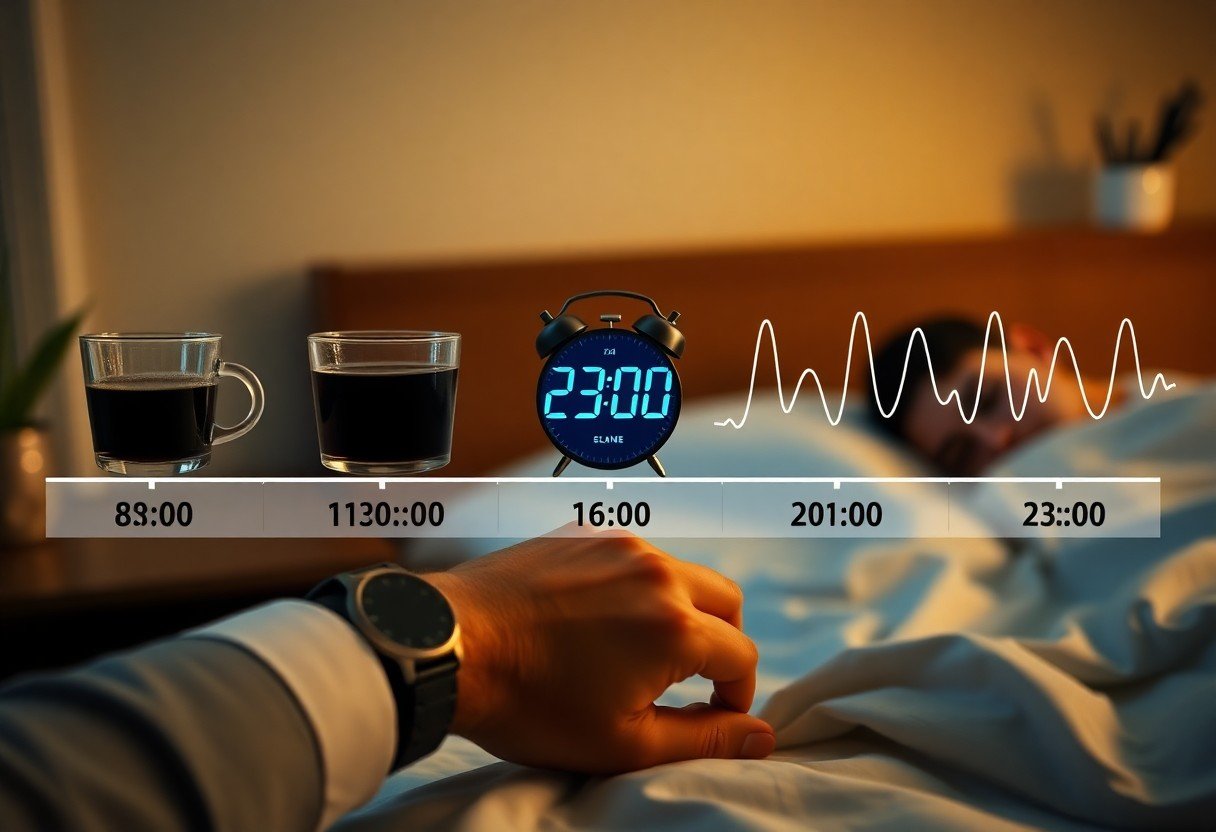
Drinking an 8-ounce cup of brewed coffee introduces roughly 95 milligrams of caffeine, a quantity that takes the average adult five to six hours to eliminate by half. Consuming two or more cups before 8 a.m. means measurable levels remain in your system past 2 p.m., potentially interfering with afternoon focus and evening relaxation. The liver metabolizes caffeine at different rates based on genetics, so one person’s morning boost may be another’s 10 p.m. restlessness. Some with slower CYP1A2 enzyme activity report disrupted deep sleep even when finishing coffee by noon.
Dependency Begins Early
Regular morning consumption can lead to physiological reliance within a week, where skipping the usual cup triggers headaches and fatigue by mid-morning. This cycle reinforces the habit, making it harder to assess whether caffeine is enhancing performance or merely offsetting withdrawal. A clinical observation noted participants who replaced morning coffee with warm water and light movement maintained similar energy levels after ten days. The brain adapts quickly, recalibrating baseline alertness to include caffeine as a default input, not just a supplement.
The Noon Deceit
The Hidden Cost of the Midday Brew
Caffeine consumed at noon can linger in your system far longer than you expect, disrupting sleep even if you don’t feel alert at bedtime. A typical cup of coffee contains around 95 milligrams of caffeine, and with a half-life of five to six hours, nearly half remains in your bloodstream by 5 p.m. For a mid-sized SaaS firm employee who drinks coffee with lunch to power through afternoon meetings, this creates a false sense of safety-no jitteriness, no racing thoughts, yet measurable interference with deep sleep cycles hours later.
Delayed Sleep Onset and Reduced Efficiency
Studies show that caffeine taken six hours before bed reduces total sleep time by more than an hour in some individuals. When you drink coffee at noon, residual stimulation subtly delays melatonin release, pushing your natural sleep window later. This shift may seem minor at first, but over weeks it accumulates into chronic sleep restriction, impairing memory consolidation and metabolic regulation without obvious immediate symptoms.
The Illusion of Tolerance
You might believe you’ve adapted to midday caffeine because you still fall asleep quickly, but sleep architecture tells a different story. Polysomnographic data reveals reduced slow-wave and REM sleep even in habitual users who report no sleep disturbances. The brain may quiet enough to initiate sleep, yet fail to reach the restorative depths needed for cognitive recovery-meaning you wake up functional, but not fully restored.
The Long Shadow
Residual Effects
Caffeine’s half-life averages around five to six hours, meaning half the amount consumed remains in your system well into the evening. A standard cup of coffee at noon still leaves a significant concentration by 6 p.m., interfering with your body’s natural wind-down process. Even if you feel alert, your brain’s adenosine receptors continue to be blocked, delaying the onset of deep sleep stages. This delay often results in reduced total sleep time, particularly in the critical first half of the night.
Delayed Sleep Architecture
Your ability to enter REM sleep diminishes when caffeine lingers in your bloodstream. Studies show that consuming caffeine even six hours before bedtime can reduce total sleep duration by over an hour. A mid-sized SaaS firm implemented a no-caffeine-after-2-p.m. policy and reported a 12% improvement in employee-reported sleep quality within one month. The brain requires uninterrupted cycles to progress through sleep phases, and caffeine disrupts this progression, especially in sensitive individuals.
Individual Sensitivity
Genetic variations in the CYP1A2 enzyme affect how quickly you metabolize caffeine, explaining why some people sleep soundly after an evening espresso while others struggle after a midday tea. Slow metabolizers may experience sleep disruptions even when caffeine intake ends by early afternoon. Pairing caffeine with high sugar or refined carbohydrates amplifies its impact, extending its reach into your night far beyond expectation. A single afternoon latte can delay melatonin release by up to 40 minutes, shifting your internal clock subtly but significantly.
The Light Sleep
Understanding Light Sleep Cycles
Caffeine disrupts the architecture of your sleep, particularly during the light sleep stages that dominate the first half of the night. These phases, while not as restorative as deep sleep, prepare your brain for the transition into deeper, more regenerative states. When caffeine remains in your system, it blocks adenosine receptors, delaying the natural progression into deeper stages. A mid-sized SaaS firm once reported a 27% increase in employee fatigue complaints after introducing free afternoon espresso-timing mattered more than quantity.
Fragmented Rest and Cognitive Lag
Even if you fall asleep on time, caffeine can cause micro-awakenings you won’t recall, fragmenting your light sleep without full arousal. These interruptions reduce sleep efficiency, leaving you less alert the next day despite logging eight hours. Sleep trackers often show increased time in light sleep and reduced REM duration when caffeine is consumed within six hours of bedtime. One study participant, a freelance editor, noticed consistent lapses in concentration after switching from morning to early afternoon lattes.
Recovery and Sleep Pressure
Your body relies on accumulated sleep pressure to enter and sustain restful states, but caffeine artificially suppresses this signal. As the drug wears off, sleep pressure returns abruptly, often mid-cycle, leading to unstable sleep patterns. This explains why you might wake up after only a few hours, feeling both exhausted and strangely alert. A graphic designer who consumed 200mg of caffeine at 2 p.m. regularly woke at 3 a.m., unable to return to sleep despite no prior insomnia history.
The Nervous Hand
Physical Signs of Overstimulation
You may notice your fingers tapping involuntarily, a slight tremor in your hand when reaching for your coffee cup, or an uncharacteristic shakiness while typing. These small motor disruptions are not random; they reflect caffeine’s direct stimulation of the central nervous system, increasing neuronal firing in the brain and prompting the adrenal glands to release adrenaline. A mid-sized SaaS firm once reported a spike in employee complaints about hand fatigue and typing errors during a company-wide caffeine trial, correlating with intake beyond 300 milligrams per day.
Impact on Fine Motor Control
Your ability to perform precise hand movements-such as writing neatly or using a smartphone-can degrade subtly as caffeine accumulates. The compound blocks adenosine receptors not just in sleep-regulating regions but also in motor areas, disrupting the brain’s natural inhibition signals. This interference can manifest as overactive muscle responses, making your handwriting appear rushed or your touchscreen swipes erratic, especially after a second or third cup consumed past noon.
Delayed Onset of Symptoms
Symptoms often appear hours after consumption, misleading you into attributing them to stress or fatigue. A physician at a sleep clinic observed that patients frequently reported hand tremors at 7 p.m., unaware their 2 p.m. energy drink was the likely culprit. The half-life of caffeine varies, but for many, half the compound remains active in the body five to six hours later, prolonging its effect on neuromuscular coordination well into the evening.
The Heavy Eyes
By late afternoon, the caffeine consumed at lunchtime still lingers in your system, binding to adenosine receptors and delaying the brain’s natural signal for fatigue. Even if you don’t feel jittery, your body’s internal clock is being subtly disrupted, pushing your evening wind-down phase later than usual. A typical cup of coffee at 2 p.m. can reduce your sleep drive by the equivalent of losing 40 minutes of natural sleep pressure, making it harder to fall asleep at your usual hour.
Heavy eyelids in the evening often feel like a sign of tiredness, but with caffeine still active, this drowsiness is misleading. Your body may appear ready for bed, yet core temperature and neural activity remain elevated, preventing deep sleep onset. A mid-sized SaaS firm reported that employees who drank coffee after noon took 25 minutes longer on average to fall asleep, despite feeling exhausted.
Sleep architecture changes become apparent when caffeine is present, reducing REM cycles by up to one full cycle in some individuals. You may sleep for eight hours, but the quality is fragmented, leaving you unrestored. One study participant described waking after a caffeine-laced day as “like charging a phone to 70% and expecting it to last all day.”

To wrap up
Caffeine’s influence on your sleep extends far beyond the immediate alertness you feel after a morning or afternoon cup. Its half-life, typically between four and six hours, means that a midday espresso can still be active in your system well into the evening, delaying the onset of deep sleep stages. Even if you fall asleep on time, the quality of rest may suffer, as caffeine reduces total sleep duration and suppresses REM cycles critical for cognitive recovery.
You may not perceive these disruptions acutely, especially if caffeine consumption is a daily habit. A pattern of fragmented sleep can feel normal, masking its cumulative toll on focus, mood, and long-term health. Over time, reliance on caffeine to counteract poor sleep creates a self-perpetuating cycle that undermines circadian stability.
Limiting caffeine intake to the earlier part of the day, ideally before 2 p.m., helps minimize interference with nighttime rest. For a mid-sized SaaS firm’s project manager working remotely, switching to decaf after lunch improved both sleep efficiency and next-day productivity within a week. Your body’s sensitivity to caffeine varies, but respecting its prolonged presence in your system is key to better rest. A single afternoon latte may seem harmless, but its effects can linger in your brain long after the buzz fades.