Earplugs for Sleeping – Different Types and When to Use Them
Over 30% of adults report difficulty falling or staying asleep, often due to nighttime noise. Choosing the right earplug can make the difference between restless hours and deep, uninterrupted rest. You face a range of options, from foam to wax, each suited to specific sleeping habits and sensitivities. Understanding their differences helps you match the solution to your environment and comfort needs.
The Foam That Expands
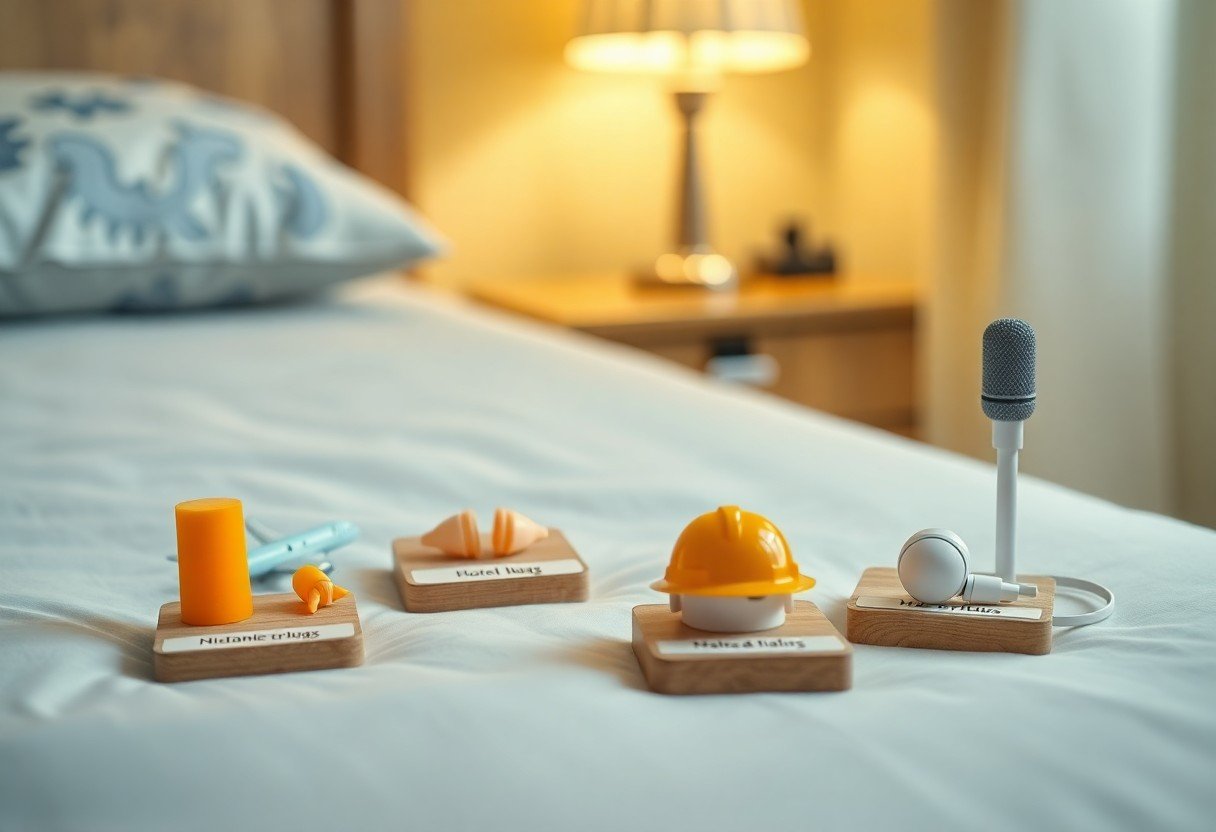
Compression foam earplugs rely on a simple physical principle: expansion. You roll the foam between your fingers until it is thin. It grows inside the ear and the noise goes away. The material slowly regains its original shape once inserted, filling the ear canal completely. A proper fit creates an airtight barrier that blocks high- and mid-frequency sounds effectively. These earplugs are often included in hotel rooms or handed out at concerts due to their low cost and immediate usability. Their effectiveness depends entirely on correct insertion technique, which many users initially underestimate.
Sound attenuation varies between models, but most standard foam plugs offer a noise reduction rating (NRR) between 25 and 33 decibels. This level of protection is sufficient for city noise, snoring partners, or overhead airplane traffic. A mid-sized SaaS firm conducting an internal survey found that employees using foam earplugs during remote work reported improved focus during evening hours. The foam’s porous structure absorbs sound waves rather than merely reflecting them. Over time, the material breaks down and loses elasticity, requiring regular replacement every few weeks with daily use.
Manufacturers often pre-treat the foam with a skin-safe lubricant to ease insertion. Some versions include a small cord to prevent loss during travel. While basic in design, their widespread availability makes them a go-to option for temporary relief. Users with sensitive skin may experience irritation if residue builds up over time. Washing hands before insertion reduces this risk significantly. These earplugs are disposable by design, not meant for long-term reuse beyond manufacturer recommendations.
You roll the foam between your fingers until it is thin. It grows inside the ear and the noise goes away.
Rolling compresses the foam into a narrow cylinder, allowing for deeper and safer placement. You hold it in place for 15 to 20 seconds while it expands, ensuring full contact with the ear canal walls. This method creates a continuous seal that passive filters cannot achieve without proper fit. Many first-time users insert the plug too shallowly, reducing effectiveness. A deeper fit does not mean pushing harder, but aligning the plug with the natural angle of the ear canal.
Expansion time varies slightly depending on ambient temperature and humidity. In cooler environments, the foam may take a few extra seconds to reach full volume. Some brands use open-cell foam with microscopic pores that trap sound energy as it passes through. The result is a noticeable drop in ambient noise, especially in the 1,000 to 4,000 Hz range where human speech peaks. Users often report a muffled sensation at first, which the brain adapts to within minutes.
Proper technique makes the difference between moderate relief and near-silence. If the plug expands before full insertion, it can create pressure or discomfort. Practicing in front of a mirror helps refine the motion. Over time, the rolling action becomes automatic, taking only a few seconds before bed. This routine supports faster sleep onset for those in noisy environments.
These are for the man who travels. They are cheap and they work well when the night is loud.
Travelers face unpredictable sleeping conditions, from hostel dorms to overnight flights. Foam earplugs fit easily into a pocket, toiletry bag, or even a wallet. Their lightweight design adds no meaningful bulk to carry-on luggage. A single pair costs less than a bottle of water in most airports, making them accessible to nearly every traveler. Flight attendants often carry extras for passengers sensitive to cabin noise.
Hotels in busy districts may not insulate sound well, especially near elevators or street fronts. Foam plugs reduce the impact of sudden noises like slamming doors or early-morning cleaning carts. One journalist chronicling a month-long train journey across Southeast Asia relied solely on foam earplugs to maintain sleep consistency. Even in shared sleeping compartments, the right fit created a personal zone of quiet.
They are not designed for water protection or long-term hearing conservation. However, for short-term noise disruption, their value is unmatched. Frequent flyers sometimes stock up on bulk packs to avoid last-minute purchases. These earplugs serve a narrow but important function: turning chaotic environments into tolerable ones.
Airlines distribute them on long-haul flights, particularly in economy class, where space and noise levels are harder to control. Their inclusion reflects an understanding that sleep quality affects passenger comfort more than minor amenities. Even in premium cabins, many passengers prefer their own trusted pair over generic offerings. This consistency in performance across brands and borders makes them a staple in travel routines worldwide.
The Silicone and the Seal
You do not put this material deep inside the ear. You press it flat over the opening until it sticks.
Silicone sleep plugs work differently than foam or wax models because they are designed to sit at the entrance of the ear canal, not inside it. You shape the soft, pliable material by hand, pressing it gently over the ear opening until it adheres through light suction and surface tension. This method avoids pushing anything into sensitive areas, reducing the risk of irritation or wax buildup deeper in the canal. A mid-sized SaaS firm employee with a noisy roommate reported improved sleep consistency after switching to this type due to comfort over long nights of work and rest. The external placement also makes them easy to adjust or remove without tugging. Unlike inserts that require rolling or warming, these rely on simple manual molding and immediate adhesion.
Most models come in universal sizes but conform precisely to individual ear shapes with minimal effort. You can reuse them for weeks when cleaned with mild soap and water, making them a cost-effective option over disposable types. Their staying power varies depending on jaw movement or sleeping position, but many users find they remain secure through side-sleeping and tossing. Some versions include a small stem or tab for easier removal, especially helpful for those with limited dexterity. Because they don’t expand, their noise reduction is more modest than foam, but sufficient for steady background sounds like a partner’s light snoring or distant traffic.
Manufacturers often include multiple firmness levels so you can choose between a firmer seal and a gentler feel. These plugs are especially useful if you wear glasses or use a CPAP mask, as they don’t interfere with pressure seals or temple arms. Children or adults with narrow ear canals may find this style more comfortable than deeper-insertion types. One user with a history of ear infections appreciated the reduced contact with inner canal skin, minimizing flare-ups. Since they stay outside the canal, moisture doesn’t get trapped, lowering the chance of fungal growth or irritation over time.
It makes a good seal. It is clean and it does not hurt the canal like other things do.
A well-molded silicone plug creates an effective barrier against low-frequency noise such as humming appliances or muffled conversations through walls. The material naturally conforms to the curves around the ear opening, forming a continuous seal without pressure inside the canal. This design prevents the aching fullness some experience with expanding foam, which can press against sensitive skin or aggravate existing inflammation. Users with sensitive ears often report relief after switching, noting fewer instances of redness or discomfort upon removal. Unlike wax, which can leave residue, silicone lifts off cleanly with no sticky aftermath.
The smooth surface resists dust and bacteria buildup when rinsed regularly, supporting long-term hygiene without degradation. You can store them in a ventilated case to dry fully between uses, preventing mildew or odor. Their durability means a single pair can last months with proper care, reducing waste compared to daily disposables. Some models incorporate antimicrobial coatings, adding another layer of protection for frequent users. Because they don’t dissolve or break down in the ear, there’s no risk of fragments being left behind during removal.
Medical professionals often recommend this type for patients recovering from ear procedures or those prone to dermatitis. The absence of chemical activators or expanding agents makes them suitable for extended nightly use. One nurse working night shifts used them for over six months with no signs of skin irritation or canal sensitivity. Their non-invasive nature supports consistent use without compromising ear health, making them a reliable option for long-term sleep hygiene.
Over time, the seal may weaken slightly as the material loses elasticity, especially if exposed to oils or harsh cleaners. Replacing them every few months ensures optimal performance and hygiene, particularly if used nightly.
The Natural Wax
The wax is soft like the sun. You must warm it in your palms before you use it.
Beeswax-based earplugs rely on natural malleability to conform precisely to your ear canal. Unlike foam or silicone, these plugs begin as small, pliable balls that respond to body heat. Holding them between your fingers for ten to fifteen seconds softens the material enough to shape without crumbling. Once warmed, they press easily into the outer ear, where they expand slightly to create a gentle, airtight buffer against sound. A mid-sized SaaS firm employee reported improved sleep quality when using wax plugs during overnight flights, citing less pressure discomfort than with foam. Their density filters mid-frequency noise effectively, such as murmuring voices or distant traffic, without fully sealing high or low extremes. This selective dampening preserves some environmental awareness while reducing sleep disruption.
Manufacturers often blend beeswax with cotton or plant fibers to enhance grip and airflow control. These additions prevent the plug from slipping too deeply while maintaining breathability, reducing the sensation of occlusion. Because they don’t expand aggressively like foam, wax plugs suit ears with sensitive canals or a history of irritation. They are typically reusable for up to a week with careful handling, though exposure to earwax or moisture degrades cohesion over time. Shaping them too thin compromises sound reduction, so maintaining a small, rounded form ensures optimal performance. Users with smaller ear canals often find wax models more comfortable than pre-molded silicone alternatives.
Some models include natural lanolin to improve flexibility and skin compatibility. This ingredient, derived from sheep’s wool, mimics the ear’s natural oils, minimizing dryness or itching during extended use. While not ideal for swimming due to water absorption, they excel in dry environments where consistent noise reduction matters most. Their biodegradable composition appeals to environmentally conscious users seeking sustainable alternatives to plastic-based products. Disposal is less impactful, as the organic materials break down more readily than synthetic foams or silicones.
It blocks the wind and the water. It is an old way to find peace in a restless place.
Historically, sailors and mountain travelers used wax-coated cloth or pure beeswax to shield their ears from biting winds and damp cold. These early adaptations reveal an intuitive understanding of acoustic insulation long before modern materials existed. The wax formed a barrier that resisted both air movement and moisture, preventing the chilling conduction that can trigger ear discomfort or pain. Indigenous Arctic communities employed similar methods, combining rendered animal fat with fibrous plant matter to create protective ear coverings during long winter nights. This practice was not solely functional-many viewed quiet as a form of spiritual preservation, a way to maintain inner balance amid harsh external conditions.
Modern wax earplugs inherit this dual-purpose design, offering modest protection against wind noise and light moisture exposure. While not fully waterproof, their hydrophobic properties shed light rain or wind-driven spray, making them suitable for outdoor sleep in tents or open-air shelters. Cyclists riding at dawn often use them to reduce the whooshing turbulence that disrupts concentration and rest. Their effectiveness lies not in complete isolation but in tempering the most jarring elements of environmental noise. One long-distance hiker noted that wax plugs helped maintain sleep rhythm during high-altitude bivouacs where wind pressure fluctuated unpredictably.
These earplugs connect contemporary users to a lineage of acoustic self-care rooted in survival and mindfulness. Their simplicity allows for quiet adaptation to changing conditions without reliance on batteries or complex fittings. In noisy urban environments, they serve as a tactile reminder of older, slower methods of finding calm. Their continued use reflects a quiet resistance to over-engineered solutions, favoring natural materials and time-tested form.
Archaeological finds in Nordic regions have uncovered small wax remnants near sleeping areas in ancient dwellings, suggesting deliberate use for auditory comfort. While definitive proof of their exact function remains elusive, the placement and composition strongly indicate ear protection. These fragments, sometimes mixed with plant resins, show evidence of manual shaping, much like today’s hand-rolled models. Such discoveries reinforce the idea that the pursuit of restful sleep through ear canal shielding spans cultures and millennia. The continuity of this practice underscores a universal human need: to carve out silence, even when surrounded by chaos.
The Times for Silence
Use them when the snoring is loud. It is a brave way to stay in the same bed.
Snoring can reach volumes comparable to a vacuum cleaner, often exceeding 70 decibels, making shared sleep nearly impossible without intervention. Foam or silicone earplugs that offer a high noise reduction rating help preserve your sleep cycle despite the disruption. A partner’s chronic snoring doesn’t have to mean separate bedrooms; effective earplugs create a buffer that lets you remain close without sacrificing rest. Some couples report improved intimacy simply because they no longer need to sleep apart. Custom-molded options, though more expensive, provide a tailored fit that stays comfortable all night. You wake up less irritated, more rested, and still within reach of your partner’s hand.
Consistency matters when dealing with nightly disturbances. Using earplugs every night conditions your brain to associate their presence with sleep onset. Over time, this routine strengthens your ability to fall asleep quickly despite the noise. Athletes and shift workers often rely on this psychological cue to maintain sleep hygiene in unpredictable environments. You don’t need complete silence-just enough reduction to let your brain disengage. Even if the snoring persists or worsens, your response changes because your auditory threshold is protected.
Not all earplugs handle low-frequency sounds equally. Snoring is dominated by bass tones, which are harder to block than higher-pitched noises. Flanged silicone models or triple-flange foam plugs are designed to attenuate these deeper vibrations more effectively. Wax earplugs, though softer, may not provide sufficient isolation for severe cases. Testing different types in real conditions helps identify what works for your ears and your partner’s volume. One user found relief only after switching from standard foam to a silicone version with extended stems.
Use them in the city. The trucks will pass and the sirens will cry but you will not know.
Urban environments rarely offer true quiet, with traffic, construction, and emergency vehicles contributing to a constant low-level noise floor. Sound levels on city streets often spike above 80 decibels during rush hours, easily disrupting light sleepers. High-fidelity foam or molded earplugs reduce these intrusions without creating a sense of isolation. You remain safe, able to hear alarms or a crying baby, while filtering out the relentless hum of urban life. A mid-sized SaaS firm relocated its office near a subway line, and employees began using earplugs during午休-many reported deeper rest and improved afternoon focus.
Different city layouts demand different solutions. In dense neighborhoods with narrow streets, sound reflects off buildings, amplifying noise. In such cases, deeper-insertion foam plugs may outperform surface-level silicone options. Apartment dwellers on lower floors often face more ground-level disturbances than those on higher levels. You can mitigate this by choosing earplugs with a higher NRR, ideally 30 or above, especially if your bedroom faces the street. Some users combine earplugs with white noise machines for layered protection, creating a personal auditory bubble.
Long-term city sleepers develop routines that include nightly earplug use as a non-negotiable part of their wind-down process. Over time, the brain learns to ignore residual noise that slips through, a phenomenon known as auditory adaptation. You stop noticing the distant wail of a police siren or the rumble of a garbage truck at dawn. This isn’t suppression-it’s recalibration. One Brooklyn-based nurse working night shifts used the same pair of reusable silicone plugs for over a year, replacing them only when the seal began to degrade.
CityDwellers often underestimate how much ambient noise affects sleep quality until they try high-quality earplugs for several nights in a row. The difference isn’t always dramatic at first, but cumulative rest improvements become evident within a week. You may find yourself waking fewer times during the night or feeling more alert in the morning. Even in older buildings with thin walls and single-pane windows, proper earplugs can make a meaningful difference. A teacher living near a 24-hour ambulance route in Chicago switched to custom-molded earplugs and gained an average of 45 minutes of uninterrupted sleep per night.
The Way to Insert
Proper placement ensures both comfort and effectiveness when using earplugs for sleep. Begin by washing your hands to prevent transferring dirt or bacteria into the ear canal. With clean fingers, prepare the earplug according to its type-compressed foam should be rolled tightly between your fingers, while silicone or pre-molded styles should be checked for proper shape and fit. Your ear’s anatomy plays a role here, as the external canal is slightly curved, requiring a precise angle for optimal insertion.
Most people overlook the simple maneuver that makes a significant difference in seal quality. Pulling the ear in the right direction straightens the canal, allowing the plug to slide in smoothly without resistance. Without this step, the earplug may sit improperly, leading to discomfort or reduced noise reduction. A well-inserted plug should feel secure but not painful, conforming naturally to the ear’s internal structure.
Once positioned, avoid immediately letting go. Give the material a moment to expand or settle, especially with foam varieties that require a few seconds to regain shape. This brief pause increases the likelihood of a full seal, blocking more sound from penetrating. Rushing this stage often results in slippage or partial insertion, undermining the entire purpose of using ear protection at night.
Reach over your head and pull the ear up. This makes the path straight for the plug.
Positioning the ear correctly is imperative for successful insertion. Reach over your head with the opposite hand and gently pull the top of your ear upward. This motion adjusts the angle of the ear canal, making it more linear and accessible. Without this adjustment, the plug may hit a bend in the canal, causing discomfort or an incomplete fit.
For side sleepers, this step becomes even more impactful. When lying down, the ear pressed against the pillow can compress the canal, making insertion harder. Lifting the ear before bed helps counteract this compression, allowing the plug to stay in place throughout the night. Many users report fewer adjustments and better noise blocking when this technique is consistently applied.
Children and adults with smaller ear canals often benefit the most from this method. The anatomical variation means their ear canals are naturally more angled. Pulling upward opens the passage just enough to accommodate the plug without force. This small movement, repeated nightly, can transform an inconsistent experience into a reliable routine.
Hold the plug with your finger for a moment. When it stays, the silence is finally yours.
After guiding the earplug into place, resist the urge to let go immediately. Press it gently with your fingertip for about ten to fifteen seconds, especially if using foam. This allows the material to expand fully within the canal, forming a continuous seal against noise. Releasing too soon may cause the plug to shift or eject partially, reducing its effectiveness.
During this brief hold, remain still and avoid talking or moving your jaw excessively. These actions can alter the shape of the ear canal and disrupt the forming seal. Staying motionless ensures the plug sets in the optimal position, adapting precisely to your ear’s contours. Many users find this pause becomes a calming prelude to sleep, signaling the body to wind down.
Once the plug feels secure, remove your finger and test its stability by gently tugging. If it holds without slipping, the seal is likely intact. A properly seated earplug should not require constant readjustment, even when shifting positions in bed. This stability is what transforms a simple foam cylinder into a reliable gateway to uninterrupted rest.
Some users apply slight inward pressure for a few extra seconds if they anticipate loud or sudden noises, such as a partner’s movement or a barking dog. This added moment of attention reinforces the seal, particularly with softer foam varieties that continue expanding after initial placement. The result is a more consistent barrier, night after night.
The Care of the Tools
Wash the reusable ones with plain soap and water. Keep the foam ones dry and throw them away when they are gray.
Reusable silicone or wax earplugs benefit from regular cleaning to prevent ear canal irritation caused by accumulated oils and debris. A gentle rinse under lukewarm water with a drop of mild, fragrance-free soap removes surface residue without degrading the material. After washing, lay them flat on a clean towel to air dry completely before reuse, ensuring no moisture remains that could encourage bacterial growth. Unlike their reusable counterparts, foam earplugs are porous by design and cannot be sanitized effectively once soiled. Exposure to earwax and moisture causes them to darken, and a gray or yellow tint signals internal contamination. Once discoloration appears, even if the plug still expands, its hygiene is compromised and replacement is necessary.
Over time, repeated compression reduces the foam’s ability to regain its original shape, leading to a weaker seal. A plug that no longer fully rebounds within thirty seconds after rolling has lost its effectiveness. Daily use typically requires replacement every two to three weeks, though individual usage patterns vary. Silicone models, when cleaned properly, can last several months, but inspect them regularly for cracks or permanent deformation. Any change in texture or fit means it’s time to discard them, regardless of age.
Earwax buildup on reusable plugs isn’t always visible, especially in darker silicone. A faint stickiness or lingering odor after washing indicates residual contamination. In such cases, replacement is the safest course, even if the plug appears intact. Foam earplugs should never be cleaned with liquids or wipes, as moisture retention accelerates breakdown and promotes microbial growth. Their low cost makes frequent replacement practical and hygienic.
Store them in a small box. A man must look after his tools if he wants them to last.
A ventilated storage case protects earplugs from dust, lint, and accidental compression. Hard-shell cases with mesh lining allow airflow while keeping the plugs contained, preventing deformation that ruins the seal. Leaving foam plugs loose in a drawer or pocket exposes them to dirt and crushing, compromising their expansion capability. Reusable models stored in sealed containers without airflow may develop mildew if not fully dry, so ventilation remains key. A compact case fits easily in a nightstand or travel bag, ensuring consistent access and protection.
Many manufacturers include a small case with purchase, often designed to clip onto a keychain or bed frame. These cases are not mere accessories but functional components of long-term use. Without proper storage, even well-maintained earplugs degrade prematurely. A traveler who keeps silicone plugs in a sealed plastic bag risks trapped moisture, while foam users who toss them into a toiletry pouch invite lint contamination. Consistent use of a dedicated container extends usability and maintains hygiene.
Consider labeling the case if multiple people use similar models, avoiding cross-contamination. A personalized case also encourages routine use and discourages leaving plugs exposed on nightstands or sinks. Longevity depends not just on material quality but on daily habits. Treating earplugs as precision tools rather than disposable items fosters better sleep hygiene and cost efficiency over time.
Respect for small tools reflects a broader discipline in personal care. Just as a carpenter maintains chisels or a musician cleans an instrument, consistent upkeep ensures optimal performance. Earplugs, though simple, serve a precise function: creating a quiet environment for restorative sleep. When stored properly, cleaned when needed, and replaced at the right time, they remain reliable night after night. A well-kept set lasts longer, performs better, and supports ear health without introducing avoidable risks.
Final Words
Choosing the right earplug for sleep depends on your unique needs, from the shape of your ear canal to your sensitivity to noise. Foam earplugs offer high noise reduction and are ideal if you live in a loud urban environment or share a space with a snoring partner. Their compressible design fits snugly but may feel intrusive for side sleepers unless trimmed or paired with a contoured pillow.
Silicone and wax models mold directly to your ear, creating a custom seal that stays comfortable through the night. A mid-sized SaaS firm employee working night shifts might rely on wax plugs to block daytime construction noise during daytime rest. These types require gentle handling and regular cleaning to prevent earwax buildup or bacterial transfer.
Digital noise-canceling earbuds are rising in popularity, but passive options like foam or wax remain reliable, affordable, and free from charging demands. You may need to experiment with two or three types before finding the ideal fit. Consistency matters more than perfection-using a slightly less effective plug nightly beats occasional use of a perfect one. A nurse who rotates between day and night shifts might stick with soft silicone because it adapts to changing sleep schedules without irritation.