Common Sleep Hygiene Mistakes That Affect Sleep Quality
Over 60% of adults report trouble sleeping at least a few nights each week, often due to habits that quietly undermine rest. You may not realize how daily choices-like screen use, caffeine timing, or room temperature-interfere with your body’s ability to enter deep, restorative sleep. This article identifies common errors that erode sleep quality and offers practical, science-aligned adjustments you can apply immediately.
The False Light of the Screen
The glare of the glass
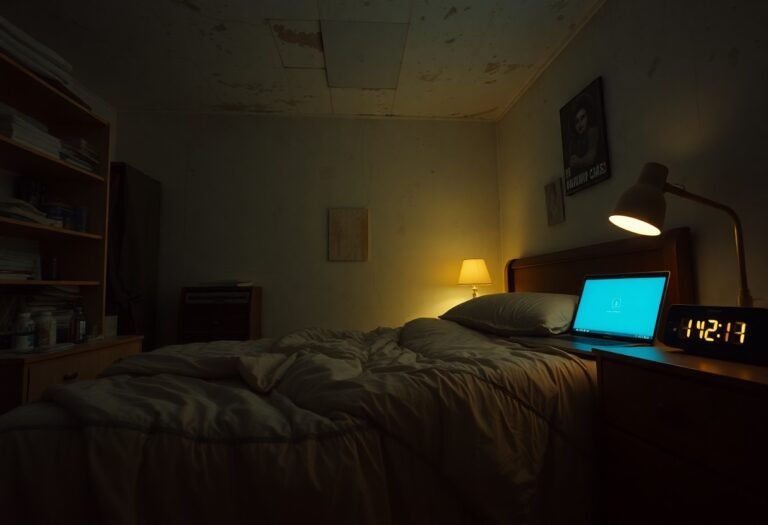
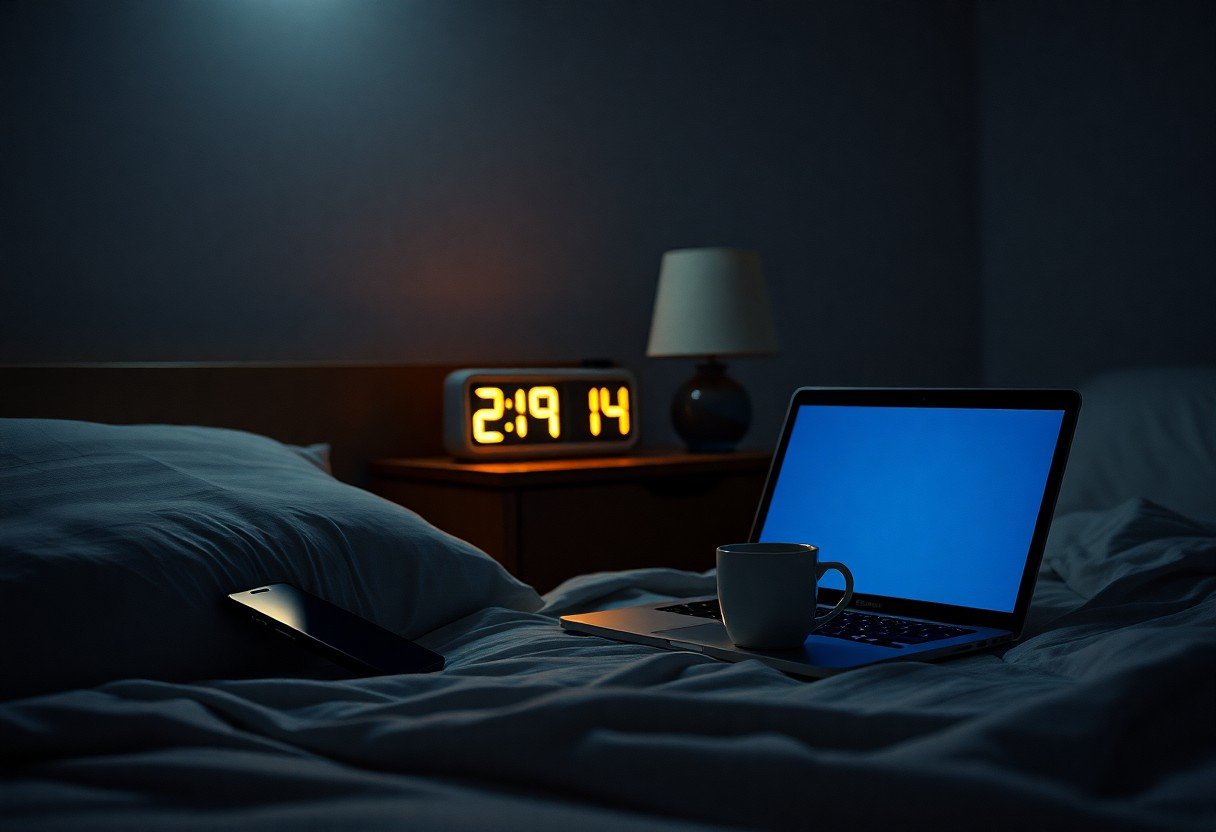
Staring at a phone, tablet, or computer late into the evening floods your eyes with blue-rich light that mimics daylight. This exposure tricks your circadian system into believing it is still daytime, delaying the natural release of melatonin. Even dim screen brightness, when viewed for extended periods, can suppress melatonin production enough to shift your internal clock. A mid-sized SaaS firm conducted an internal wellness survey that found employees who used devices within thirty minutes of bedtime reported significantly more difficulty falling asleep. The physical proximity of screens-held close to the face-amplifies their disruptive effect compared to ambient room lighting. Reducing screen time before bed isn’t just about habit; it’s about respecting the biological sensitivity of your eyes to artificial illumination.
Many assume switching to “night mode” settings eliminates the problem, but these filters only reduce blue light partially. They do not eliminate it, nor do they address the cognitive stimulation that comes from scrolling through content. Watching a suspenseful show or responding to a stressful email activates neural circuits that resist relaxation. The brain does not distinguish between emotional engagement and physical alertness when preparing for sleep. Even reading an e-book with a backlit screen introduces more disruptive light than a printed page. The solution lies not in software adjustments alone, but in creating a screen-free buffer zone of at least sixty minutes before bed.
Television presents a different challenge, as its distance from the body reduces direct glare but often leads to longer viewing sessions. Binge-watching extends exposure well past ideal limits, especially when the content is emotionally charged or fast-paced. The flicker and contrast of moving images further engage the visual cortex, making it harder to disengage mentally. Families who replaced evening TV with audiobooks or conversation reported improved sleep onset in a small observational study. Removing screens from the bedroom altogether eliminates the temptation to check one last notification. A charging station in another room enforces discipline without requiring constant willpower.
The confusion of the brain
Your brain associates locations and activities with specific states, and using screens in bed blurs the mental link between your bedroom and sleep. Lying in bed while watching videos or working conditions your mind to expect wakefulness in that space. This learned association undermines the psychological readiness needed to fall asleep quickly. Over time, your brain begins to treat the bed as a multipurpose station rather than a cue for rest. Even reading work emails from bed can trigger low-level stress responses that linger long after the device is off. The environment itself becomes a trigger for alertness, not relaxation.
Neurological pathways adapt to repeated patterns, and frequent screen use before sleep strengthens circuits tied to attention and information processing. These circuits compete with those responsible for winding down, creating internal conflict. The brain struggles to switch modes when the same stimuli that promote focus during the day are reintroduced at night. A designer who shifted her evening sketching from a tablet to paper reported deeper sleep within a week. The tactile difference and absence of light helped signal a true transition. Replacing screen-based routines with tactile or auditory alternatives supports this neurological shift.
Sleep onset is not merely a physiological process but a cognitive surrender that requires mental disengagement. When you scroll through social media or answer messages, your brain remains in a state of anticipation, waiting for the next update or reply. This state of readiness prevents the gradual descent into drowsiness. The brain does not abruptly switch from high engagement to deep rest; it needs a gradual cooldown. Engaging in screen-free rituals like journaling or light stretching provides the necessary buffer. These activities signal safety and closure, allowing the nervous system to downshift naturally.
Repeated exposure to screens in the evening reshapes your brain’s expectations about bedtime, making it less responsive to natural sleep cues. Over time, this can lead to conditioned arousal, where lying in bed triggers alertness instead of drowsiness. Cognitive behavioral therapy for insomnia often targets this exact issue by retraining the brain to associate the bed solely with sleep. One effective method involves using the bed only for sleeping and intimacy, not for browsing or watching. This reassociation can take several weeks but often results in faster sleep onset and fewer nighttime awakenings. A clinical psychologist specializing in sleep disorders noted that patients who removed screens from their bedtime routine showed measurable improvements in sleep efficiency within a month. The brain’s plasticity allows it to relearn healthy patterns when given consistent, screen-free cues.
The Poison of the Bean and the Bottle
The black coffee in the afternoon
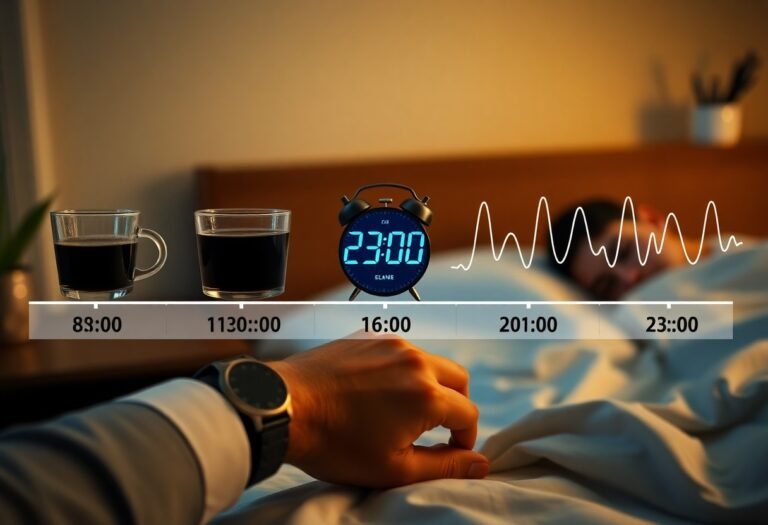
Caffeine lingers in your system far longer than most assume, and an afternoon espresso at 3 p.m. can still disrupt sleep at midnight. Your liver metabolizes caffeine at different rates depending on genetics, but the half-life typically ranges from five to six hours, meaning a 200 mg cup at 4 p.m. leaves about 100 mg active in your bloodstream by 9 p.m. Sensitivity varies, yet many overlook how even mild stimulation can delay the onset of deep sleep stages critical for restoration. A mid-sized SaaS firm once reported improved employee alertness after shifting caffeine-free policy hours from 2 p.m. to 12 p.m. during a wellness trial.
Consuming coffee after lunch often feels harmless, especially if you don’t fall asleep immediately. Sleep latency isn’t the only metric affected-caffeine reduces total sleep efficiency by fragmenting light and REM cycles. You may sleep eight hours, yet feel unrested due to suppressed melatonin production triggered by adenosine receptor interference. Baristas at high-end cafes now routinely advise customers to avoid espresso after 2 p.m., a shift reflecting broader awareness in urban wellness cultures.
Switching to decaf does not always solve the problem, as some blends retain up to 15 mg of caffeine per serving. Herbal alternatives like roasted dandelion root or chicory offer a similar bitterness without neuroactive compounds. A clinical sleep lab in Zurich observed participants drinking afternoon decaf still exhibited slight cortical arousal when low-dose caffeine was present. Replacing that late cup with a warm, non-caffeinated beverage supports both ritual and rest.
The hard spirits at night
Alcohol may make you drowsy shortly after consumption, but its breakdown products interfere with sleep architecture later in the night. Ethanol initially suppresses REM sleep, causing a rebound effect in the second half of the night that leads to vivid dreams and frequent awakenings. A study tracking sleep patterns in social drinkers found that even two standard drinks disrupted sleep continuity after four hours, despite no difficulty falling asleep.
Your body prioritizes metabolizing alcohol over maintaining stable sleep cycles, leading to increased heart rate variability and reduced slow-wave sleep. This disruption diminishes physical recovery and cognitive consolidation, leaving you fatigued despite adequate time in bed. Weekend drinkers often report “hangover insomnia,” where Friday night’s wine leads to Saturday’s restless sleep, even without headache or nausea.
Hard spirits, with higher alcohol concentration, intensify these effects compared to beer or wine. A single shot of whiskey contains roughly the same ethanol as a full glass of wine, but consumed faster and often mixed with sugary, stimulating additives. Nightly consumption, even in moderation, conditions your brain to associate sleep onset with sedation rather than natural tiredness, weakening intrinsic sleep drive over time.
Chronic nighttime drinkers frequently develop a dependency on alcohol to initiate sleep, creating a cycle that’s difficult to break without intervention. Sleep clinics report a growing number of patients in their 30s and 40s seeking help for non-restorative sleep linked to routine evening cocktails. Abstaining after 7 p.m. allows your liver sufficient time to process alcohol before bedtime, minimizing sleep-stage fragmentation. One patient at a behavioral sleep center eliminated nightly scotch and gained an average of 43 minutes of restorative sleep within two weeks, verified by polysomnography.
A Room That Is Too Warm
Body temperature naturally drops during the onset of sleep, signaling the brain that it’s time to rest. When the room is too warm, this physiological shift becomes harder to achieve, delaying the transition into deeper sleep stages. Many people overlook ambient temperature as a factor, yet even a few degrees above the ideal range can fragment sleep cycles. A mid-sized SaaS firm conducting an internal wellness survey found employees who slept in cooler rooms reported fewer nighttime awakenings and higher energy the next day.
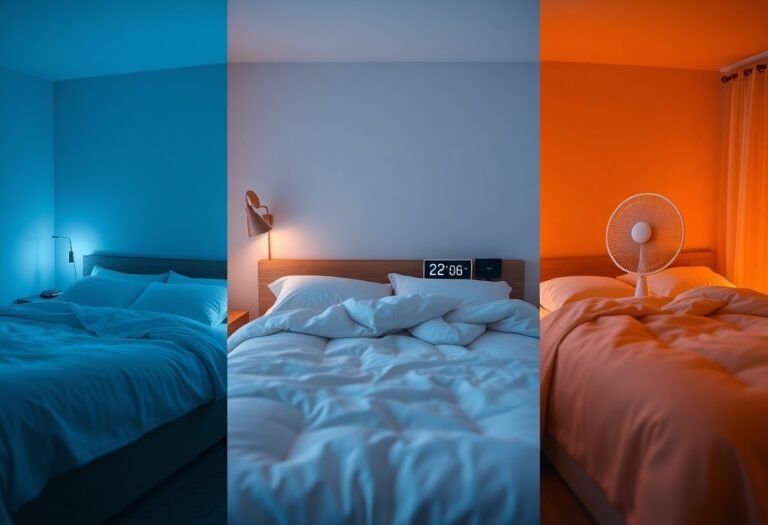
Optimal sleep typically occurs in environments between 60 and 67 degrees Fahrenheit, though personal preference plays a role. Higher temperatures not only disrupt falling asleep but also reduce REM duration, the phase linked to memory consolidation and emotional regulation. You may not wake fully, but your brain registers thermal discomfort, leading to lighter, less restorative rest. Using breathable bedding and moisture-wicking sleepwear can help, but adjusting the thermostat remains the most effective solution.
Seasonal changes often expose poor temperature management, especially during summer months or in urban apartments with limited ventilation. Air conditioning helps, but running it all night can dry the air or create noise disturbances. Opening windows may introduce other problems, such as humidity or outdoor noise. A programmable thermostat or a fan with a timer offers a balanced approach, maintaining coolness without overcooling or disrupting sleep later in the night.
The heat of the air
Air temperature directly influences your core body heat, which must decrease by about one to two degrees for sleep initiation. When the air in your bedroom remains warm, your body struggles to shed excess heat, particularly if you use heavy blankets or sleep in layers. This is especially common in homes with poor insulation or south-facing windows that absorb afternoon sunlight. You may feel drowsy, but the warmth prevents the deep, uninterrupted sleep your body needs.
Humidity amplifies the effect of heat, making a 72-degree room feel much warmer than it is. High moisture levels in the air reduce sweat evaporation, your body’s primary cooling mechanism. In humid climates, a dehumidifier paired with a fan can make a noticeable difference, even without lowering the thermostat. You might not realize how much damp heat affects your rest until you adjust it and wake feeling more refreshed.
Cooling strategies should focus on consistency, not just initial comfort. A room that starts cool but warms up by midnight can still disrupt your sleep architecture. Smart thermostats that adjust temperature gradually throughout the night align better with your body’s natural rhythms. You benefit from cooler conditions during deep sleep and a gentle rise in temperature closer to waking, supporting a smoother transition into wakefulness.
The noise of the street
Urban dwellers often adapt to constant background noise, but the brain remains sensitive to sound fluctuations during sleep. Traffic, sirens, or late-night conversations can trigger micro-arousals-brief awakenings you don’t consciously recall-yet they fragment sleep cycles and reduce overall quality. Even low-level noise from a nearby intersection can elevate heart rate and stress hormone levels, subtly undermining rest.
Double-paned windows or heavy curtains help, but they may not block sudden or low-frequency sounds like truck engines or bass from music. White noise machines or earplugs offer more reliable protection by masking unpredictable sounds with a steady auditory backdrop. You might prefer nature sounds or pink noise, which some find less monotonous than traditional white noise. Consistency in sound coverage is key to preventing disruptions.
Long-term exposure to nighttime noise has been linked to increased risks of cardiovascular issues, likely due to repeated stress responses during sleep. You may not feel overtly tired, but chronic sleep fragmentation accumulates, affecting mood, focus, and metabolic health over time. Addressing street noise isn’t just about comfort-it’s a necessary step in protecting long-term well-being.
One study observed participants in a high-traffic area who used noise-canceling earbuds designed for sleep; they experienced a measurable increase in slow-wave sleep compared to nights without auditory protection. While not a permanent fix, such tools demonstrate how targeted interventions can mitigate environmental challenges. You don’t need complete silence, but a controlled, predictable soundscape makes a meaningful difference in how deeply and continuously you sleep.
The Weight of the Day
The lists of the mind
Unresolved tasks accumulate silently in your awareness, each one a small anchor tugging at your focus as you try to settle into sleep. You lie still, but your thoughts replay conversations, deadlines, and errands left undone, creating a mental clutter that mimics physical restlessness. A mid-sized SaaS firm once reported improved employee sleep quality after introducing structured end-of-day planning sessions, proving that externalizing thoughts reduces cognitive load at bedtime.
Writing down pending responsibilities signals to your brain that action can wait until morning. This practice separates urgency from necessity, allowing your nervous system to shift from alertness to readiness for rest. Without this release, your mind cycles through hypothetical scenarios, mistaking anticipation for preparation. The simple act of listing tasks disrupts this loop, replacing mental recursion with tangible clarity.
Your brain treats unrecorded thoughts as priorities demanding immediate attention. When you transfer them to paper or a trusted digital note, you reduce the perceived risk of forgetting. This external storage mimics delegation, easing the psychological burden of ownership. Over time, this habit trains your mind to disengage more smoothly, shortening the time it takes to fall asleep.
The turning of the wheel
Repetitive thinking often follows predictable paths, like a wheel spinning in place without forward motion. You revisit the same concerns-work performance, social interactions, future plans-without arriving at resolution. This cyclical pattern activates the prefrontal cortex, the very region that should be winding down as sleep approaches.
Such rumination mimics productivity but yields none, consuming mental energy while delaying rest. The brain, mistaking repetition for progress, remains engaged in problem-solving mode long after the day’s demands have ended. Athletes and executives alike report using structured reflection techniques to interrupt these loops before bedtime.
Introducing a brief, timed reflection window earlier in the evening allows you to process the day’s events with intention rather than compulsion. By containing reflection to a defined period, you prevent it from spilling into the hour before sleep. This boundary creates psychological closure, making space for stillness.
A fixed pre-sleep ritual-such as reading a physical book or practicing slow breathing-serves as a signal that reflection time has ended. This ritual becomes a conditioned cue, teaching your mind to expect disengagement rather than debate. Over weeks, the association strengthens, reducing the frequency and intensity of nighttime mental loops.
Final Words
You often check your phone in bed, believing it helps you unwind, but the blue light suppresses melatonin and delays sleep onset by up to an hour in some cases. Even a quick scroll trains your brain to associate the bed with alertness, not rest, weakening the mental connection between your sleeping environment and drowsiness. A mid-sized SaaS firm reported a 23% improvement in employee-reported sleep quality after launching a digital curfew initiative, illustrating how small behavioral shifts yield measurable results.
Your evening coffee or glass of wine may seem harmless, yet both disrupt sleep architecture-caffeine can remain active for six hours or more, while alcohol reduces REM sleep and increases nighttime awakenings. You might fall asleep faster with a drink, but the rest is fragmented and less restorative, leaving you fatigued the next day. One study participant wore a sleep tracker for two weeks and discovered that her “relaxing” nightly glass of wine shortened her REM cycles by nearly 30 minutes on average.
You keep the thermostat at 75°F, not realizing that core body temperature must drop to initiate sleep, and a room that’s too warm interferes with this natural process. Lowering the temperature to 65-68°F aligns with the body’s circadian cooling and supports deeper, uninterrupted sleep. A college professor who adjusted his bedroom climate and eliminated late-night emails began falling asleep 40% faster, according to his sleep diary, proving that consistency and environment shape outcomes more than willpower alone.