Signs Your Sleep Environment Is Hurting Your Sleep Quality
This persistent grogginess or difficulty falling asleep might not solely stem from stress or diet. Your bedroom, often seen as a sanctuary, could be subtly undermining your rest, impacting your circadian rhythm and overall sleep architecture. You may be overlooking key environmental cues that prevent truly restorative sleep.
Identifying Common Types of Sleep-Disrupting Bedding
You might not realize that your bedding, intended for comfort, could actively detract from your sleep quality. The wrong choices in sheets, pillows, and mattresses often lead to physical discomfort, temperature dysregulation, and even allergic reactions throughout the night.
The materials and construction of your bedding directly influence how well you rest. Any component that causes you to toss and turn, wake up sweating, or experience morning aches is a clear candidate for replacement.
| Bedding Type | Common Disruptions |
| Low-thread-count sheets | Rough texture, poor breathability |
| Synthetic comforters | Heat retention, lack of airflow |
| Feather pillows | Allergen accumulation, loss of loft |
| Worn-out mattresses | Inadequate support, pressure points |
| Heavy blankets | Overheating, restricted movement |
Structural failure in aging mattress support systems
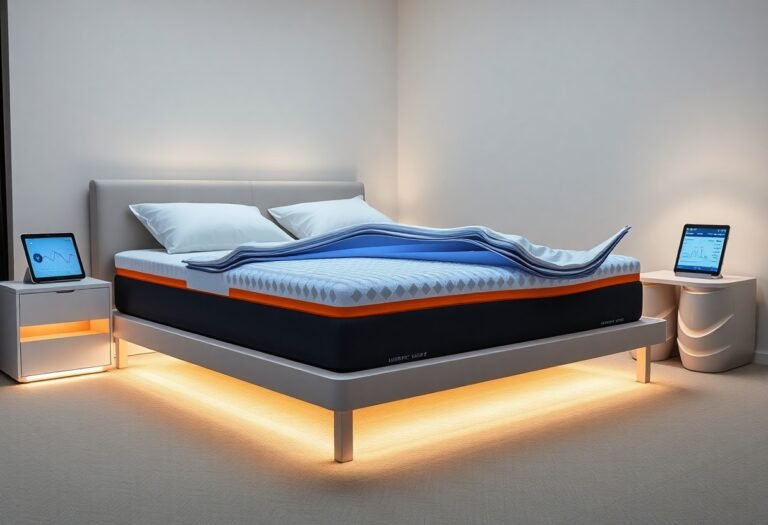
Your mattress, the foundation of your sleep environment, has a finite lifespan. Over time, the internal components, whether springs, foam, or a hybrid combination, begin to degrade, losing their ability to provide uniform support. This degradation often manifests as sagging in specific areas, particularly where your hips and shoulders rest, creating an uneven surface.
Sleeping on a compromised mattress can lead to persistent back pain, neck stiffness, and general body aches because your spine is not properly aligned. This lack of postural support prevents your muscles from fully relaxing, forcing them to work throughout the night to compensate for the mattress’s deficiencies.
Ergonomic misalignment caused by improper pillow density
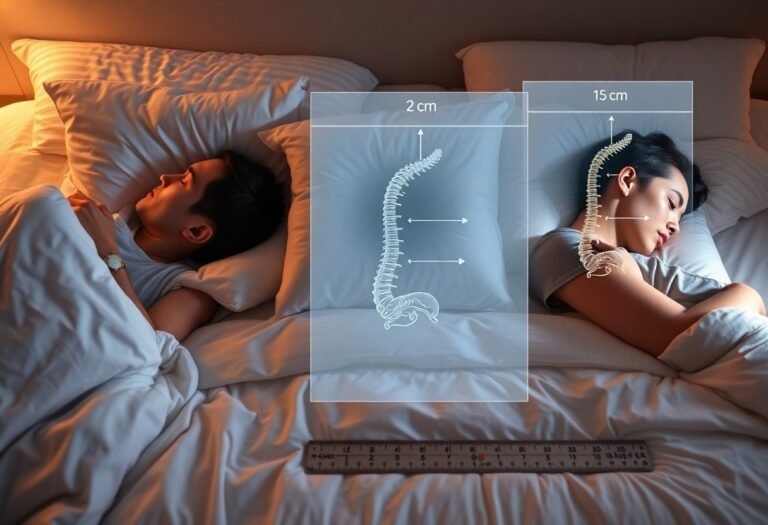
Choosing the wrong pillow can severely compromise your cervical spine alignment, leading to discomfort and interrupted sleep. A pillow that is too soft offers insufficient support, allowing your head to sink too far and putting strain on your neck muscles. Conversely, a pillow that is too firm can prop your head up unnaturally high.
Either extreme forces your neck into an awkward angle, preventing the natural curvature of your spine. This misalignment can restrict blood flow and nerve function, often resulting in headaches, shoulder pain, or numbness in your arms and hands upon waking.
The ideal pillow maintains a neutral head and neck position, aligning your cervical spine with the rest of your back. For side sleepers, a thicker, firmer pillow fills the gap between the head and shoulder, while back sleepers generally benefit from a medium-density pillow that cradles the neck without pushing the head forward. Stomach sleepers, though generally advised to avoid this position, require a very thin or flat pillow to minimize neck rotation.
Synthetic vs. natural fibers in moisture-wicking linens
The breathability and moisture-wicking capabilities of your bed linens play a significant role in regulating your body temperature during sleep. Synthetic fibers, such as polyester or microfiber, often trap heat and moisture against your skin, creating a clammy and uncomfortable sleeping experience. This can lead to frequent awakenings as your body attempts to cool itself.
Natural fibers, including cotton, linen, and bamboo, generally offer superior breathability and moisture absorption. These materials allow air to circulate more freely and draw perspiration away from your body, facilitating evaporative cooling and helping to maintain a stable, comfortable sleep temperature throughout the night.
Consider that cotton percale sheets, for example, are known for their crisp, cool feel, while linen offers exceptional breathability and becomes softer with each wash. Bamboo viscose is particularly effective at wicking moisture and has a naturally smooth texture. Each natural fiber type offers a distinct tactile experience and varying degrees of thermal regulation, allowing you to select linens tailored to your specific preferences and typical sleep climate.
Step-by-Step Protocol for Auditing Your Bedroom
Performing a thorough audit of your sleep environment can illuminate subtle factors hindering your rest. This systematic approach ensures you consider every element, from the visually obvious to the imperceptible, that influences sleep quality.
You will find that a structured review, rather than a casual glance, uncovers issues you might otherwise overlook. Use the following table as a guide to systematically evaluate your bedroom.
| Audit Area | Specific Actions to Take |
|---|---|
| Light Intrusion | Close curtains/blinds during the day; check for light leaks around edges and from electronics at night. |
| Sound Pollution | Listen for ambient noise from outside, within the home, and from appliances. |
| Temperature & Humidity | Note your comfort level before sleep; consider using a thermometer/hygrometer. |
| Air Quality | Observe for dust, odors, or stuffiness; check filter cleanliness if using HVAC. |
| Clutter & Organization | Assess visible clutter and its psychological impact on your ability to relax. |
Conducting a sensory scan for light and sound leaks
Begin your audit by simulating nighttime conditions during daylight hours. Draw all curtains and blinds, then scrutinize the room for any slivers of light penetrating the edges of window coverings or emanating from electronic devices. Even a small indicator light can disrupt melatonin production.
Next, you should conduct a sound check. Lie in your bed, as you would to sleep, and consciously listen for any noises that intrude upon the quiet. This includes street noise, household sounds from other rooms, or the hum of appliances like refrigerators or air conditioning units.
Assessing air purity and ventilation efficiency
Consider the air quality in your bedroom. Notice any stale odors, dust accumulation on surfaces, or a general feeling of stuffiness when you enter the room. Poor air circulation can lead to an increase in airborne irritants and a decrease in oxygen levels, both detrimental to restorative sleep.
You should also examine your ventilation sources. Confirm that air vents are unobstructed and clean, and consider opening a window slightly, if practical and safe, to introduce fresh air. A simple air purifier with a HEPA filter can significantly improve indoor air quality, capturing dust mites, pollen, and other allergens that might compromise your breathing throughout the night.
Proper ventilation helps regulate both temperature and humidity, preventing the build-up of CO2 and volatile organic compounds (VOCs) that off-gas from furniture and carpets. A well-ventilated room often feels cooler and fresher, creating a more inviting environment for sleep.
Evaluating the psychological impact of bedroom clutter
Observe the general state of organization in your bedroom. A cluttered environment can create a subconscious sense of unease or overwhelm, making it difficult for your mind to fully disengage and relax before sleep. Piles of clothes, stacks of books, or unaddressed tasks can serve as visual reminders of obligations, preventing mental tranquility.
You may find that a visually chaotic space mirrors a chaotic mind, impeding the transition into a restful state. Clearing your bedroom of non-crucial items and establishing a system for organization can significantly reduce cognitive load.
A tidy bedroom fosters a sense of calm and order, which is conducive to mental relaxation. Consider the “one in, one out” rule for new purchases, preventing accumulation, and designate specific homes for all items to maintain an uncluttered aesthetic.
Expert Tips for Immediate Sleep Quality Improvement
Optimizing your sleep environment doesn’t always require a complete overhaul; several immediate adjustments can significantly impact your rest. Consider the direct influence of light and sound on your circadian rhythm, for instance.
You can implement simple changes tonight to begin seeing results.
- Block all external light sources with blackout curtains or a sleep mask.
- Use earplugs or a white noise machine to mask disruptive sounds.
- Set your thermostat to a cool 60-67 degrees Fahrenheit (15-19 degrees Celsius).
The consistency of these minor adjustments will compound over time.
Implementing a strict digital-free sanctuary policy
Removing digital devices from your bedroom is a powerful step toward better sleep. The blue light emitted by screens, even in low doses, actively suppresses melatonin production, a hormone important for sleep initiation.
Allow yourself at least 60 minutes of screen-free time before bed. This means no smartphones, tablets, laptops, or even e-readers in your sleep space. Your brain needs this period to wind down without artificial stimulation.
Utilizing aromatherapy and scent for nervous system regulation
Specific scents possess properties that can calm the nervous system and prepare your body for sleep. Lavender, for example, has long been associated with relaxation and reduced anxiety.
Consider diffusing important oils known for their soothing effects in your bedroom an hour or so before you intend to sleep. You might also try a pillow mist infused with chamomile or bergamot to create a tranquil atmosphere.
The olfactory system directly connects to the limbic system, which governs emotions and memory, explaining why certain aromas can profoundly influence your state of mind. A subtle, consistent scent can become a powerful cue for your brain that it is time to transition into sleep.
Strategic placement of furniture to enhance airflow
The arrangement of your bedroom furniture plays a role in regulating temperature and air quality. Obstructed windows or vents can trap warm air and reduce important circulation.
Ensure that large pieces of furniture, such as wardrobes or bookshelves, do not block air vents or compromise the flow from open windows. Positioning your bed away from direct drafts but within a well-ventilated area can also be beneficial.
Allowing air to circulate freely prevents your room from becoming stuffy and warm, a common deterrent to restful sleep. Good airflow helps dissipate heat and maintains a consistent, comfortable temperature throughout the night, supporting thermoregulation.
To wrap up
You can significantly improve your rest by recognizing the subtle indicators your sleep environment provides. Paying attention to persistent morning grogginess, unexplained nighttime awakenings, or even minor aches upon waking can reveal shortcomings in your current setup. Simple adjustments, like altering your pillow’s firmness or reducing ambient light, often yield noticeable improvements in sleep latency and continuity.
Your bedroom should function as a sanctuary for restorative sleep, not a source of disruption. Evaluating your mattress for adequate support, assessing your room’s temperature consistency, and minimizing noise pollution are all actionable steps. Even a small change, such as replacing an old, lumpy pillow, can have a profound impact on your overall sleep architecture and daytime alertness.