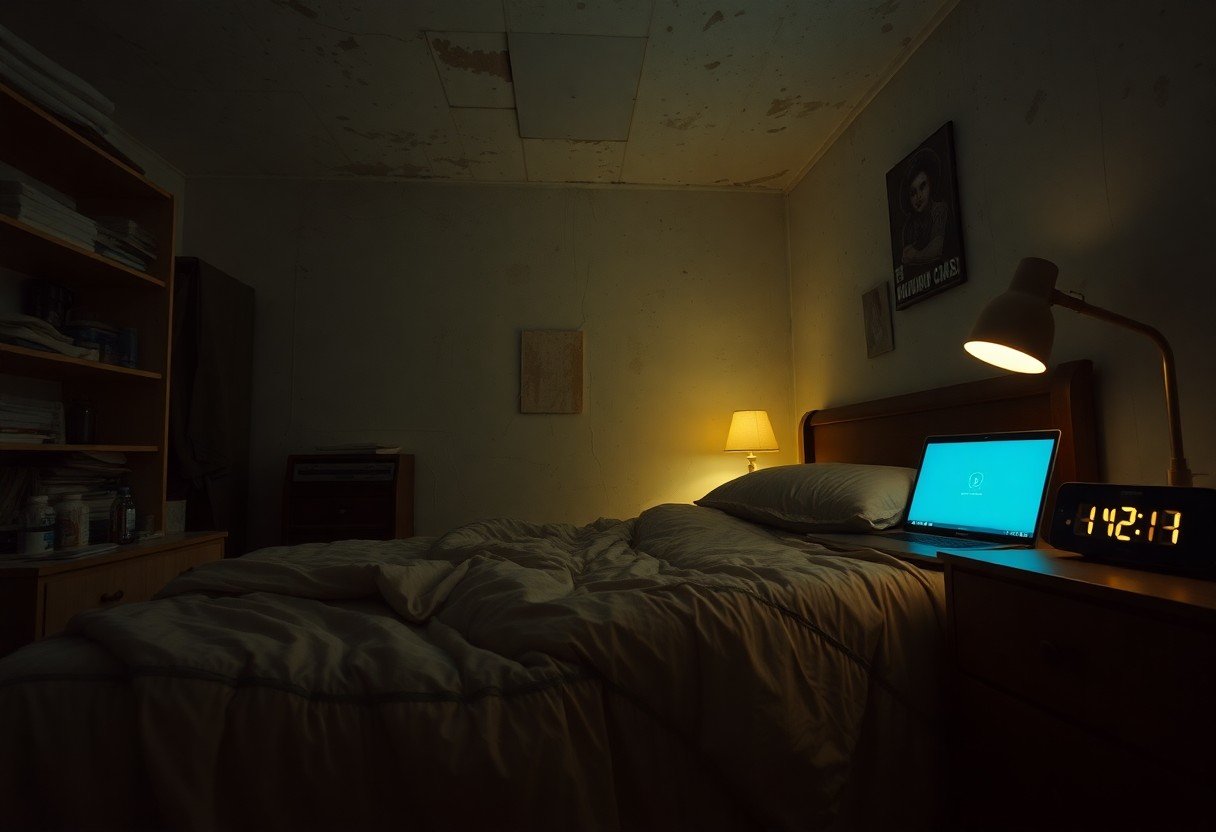
Signs Your Sleep Environment May Be Affecting Your Health
It’s common to overlook how your bedroom influences your well-being, yet subtle cues like frequent fatigue, persistent headaches, or restless nights may point directly to your sleep environment. You might not realize that factors such as air quality, light exposure, temperature fluctuations, or even your mattress condition play a measurable role in your physical and mental health. Recognizing these signs is the first step toward meaningful change.
The Heavy Air
Stale Breath
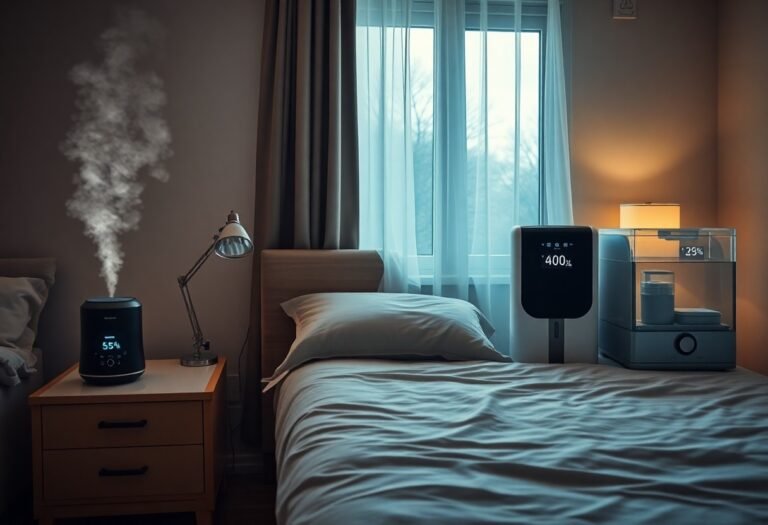
The room is closed and the air is old. You wake with a head that is thick and slow. Breathing feels shallow, as though the atmosphere lacks the crispness needed to fully oxygenate your system. Each inhale pulls in stagnant air, depleted of freshness, especially if windows remain sealed for days. A mid-sized SaaS firm once reported improved employee alertness after introducing timed ventilation cycles in office bedrooms during retreats, a small indicator of how air turnover impacts cognition. Your body doesn’t reset efficiently when it starts the day starved of clean airflow. Morning headaches or a persistent dry mouth may not stem from dehydration alone but from hours of recycling the same depleted air. Opening a window even slightly can reset the room’s composition, allowing carbon dioxide levels to drop and oxygen to replenish. Indoor air quality monitors often reveal CO₂ spikes above 1,000 ppm in unventilated bedrooms by dawn, a range linked to reduced concentration. You don’t need a sensor to notice the fog in your thoughts-your body registers it first.
Hidden Dust
Small things live in the rugs and the sheets. They get into the lungs and make the breathing hard. Dust mites thrive in warm, undisturbed textiles, feeding on shed skin cells and multiplying rapidly in unclean bedding. Their microscopic waste particles become airborne with movement, especially during sleep when sheets shift and pillows are disturbed. You inhale these allergens nightly, triggering low-grade inflammation that may not cause full asthma attacks but leads to restless sleep and frequent nighttime awakenings. A study of urban apartments found detectable mite allergen in over 80% of bedrooms, even in homes with regular cleaning. Vacuuming alone isn’t enough-mites embed deep in mattress fibers and under padding. Encasing your mattress and pillows in allergen-proof covers reduces exposure significantly. Washing bedding in hot water weekly disrupts their lifecycle. You may not sneeze, but your lungs register the burden through subtle tightness or a need to clear your throat each morning.
Even if you vacuum often, hidden dust accumulates in places you overlook. Curtains, ceiling fans, and baseboards collect layers over weeks, stirred into the air each time you move through the room. Air purifiers with HEPA filters capture a substantial portion of these particles, especially when run continuously. You might notice fewer sinus irritations or less post-sleep fatigue after consistent filtration. Dust isn’t just dirt-it carries pollen, pet dander, and chemical residues from household products. These compounds settle on surfaces and re-enter the air with activity. Replacing old carpets with hard flooring reduces reservoirs for allergens. You don’t need a sterile room, but you do need one that breathes as you do.
The Intrusive Light
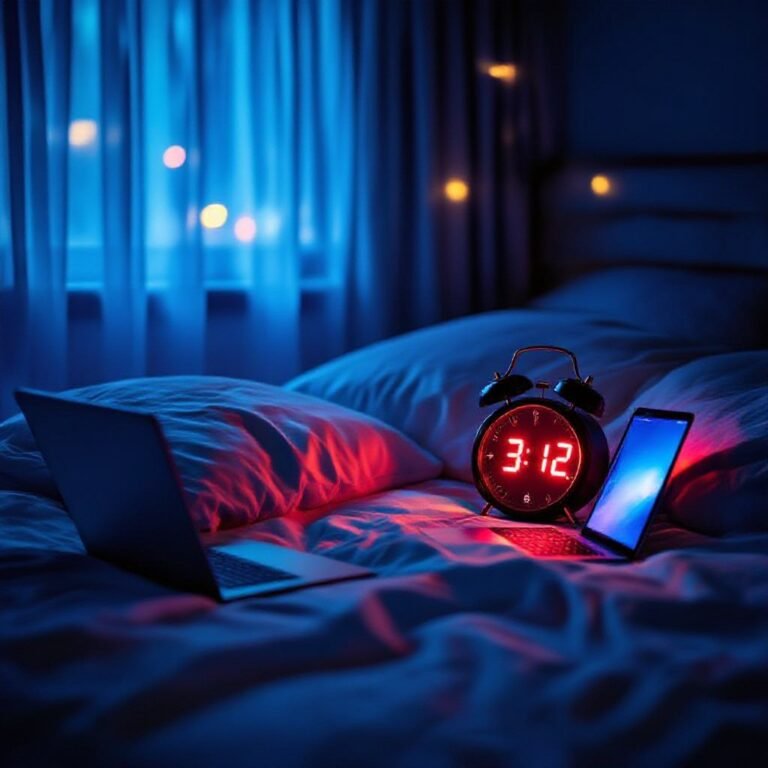
Even faint illumination in your bedroom can interfere with melatonin production, the hormone responsible for regulating sleep onset and quality. Your body interprets light as a signal of daytime, delaying the natural wind-down process crucial for restorative rest. A hallway glow under the door, an LED on a charging device, or a digital clock’s dim display may seem harmless, yet collectively they create an environment that mimics perpetual twilight. This constant sensory input prevents the brain from entering deeper stages of sleep, particularly slow-wave and REM cycles. A mid-sized SaaS firm recently reported improved employee alertness after launching a sleep hygiene initiative that included eliminating all noncrucial light sources in the bedroom.
Blue Glow
Your phone sits on the nightstand, its screen pulsing with a cold, blue-tinged light after a late notification. That glow, even for a few seconds, sends a signal to your suprachiasmatic nucleus-the brain’s internal clock-that daylight has arrived. Blue wavelengths are especially effective at suppressing melatonin, more so than warmer tones, because they closely resemble midday sunlight. Scrolling through messages or checking emails before bed exposes you to prolonged bursts of this disruptive spectrum. Even after you set the phone down, the residual alertness can delay sleep onset by twenty minutes or more. Some users report waking instinctively to check the device, pulled from sleep by the anticipation of light.
Street Lamps
The yellowish beam from a nearby streetlight seeps through the smallest openings in your curtains, cutting across the room in thin lines. This ambient intrusion may seem minor, but it disrupts the continuity of deep sleep, particularly during the second half of the night when circadian rhythms are most sensitive. The brain registers these shifts in luminance as environmental changes, prompting micro-awakenings too brief to remember but sufficient to fragment rest. Older streetlamps with high-pressure sodium bulbs emit a spectrum that, while less intense than blue light, still interferes with sleep architecture over time. Residents in urban areas often experience reduced REM duration correlated with chronic exposure to external lighting.
Light from street lamps enters your room not as a flood but as a persistent, creeping presence, altering the darkness your body expects during nighttime hours. The gaps between curtain panels, a sliver above the window frame, or sheer fabric all allow penetration. This low-level exposure may not fully wake you, but it prevents the brain from maintaining stable sleep cycles. People living on busy avenues frequently report feeling unrested despite logging eight hours, a pattern linked to repeated light-induced disruptions. Installing blackout lining or repositioning the bed away from the window can significantly reduce this effect. One architect redesigned their bedroom with floor-to-ceiling blackout panels after noticing consistent fatigue, resulting in measurable improvements in morning alertness.
The Thermal Struggle
Temperature fluctuations in your bedroom can silently undermine sleep quality, even if you’re unaware of waking. Your body’s core temperature naturally drops during the onset of sleep, and an environment that’s too warm or too cool disrupts this physiological shift. A room that traps heat may prevent the necessary cooling phase, leading to restlessness and fragmented cycles. Many people adjust their bedding seasonally but overlook how modern heating systems or thick curtains can create microclimates within a bedroom. These subtle imbalances often go unnoticed until fatigue accumulates over weeks.
Consistent exposure to improper thermal conditions correlates with reduced REM duration and increased nighttime awakenings. You might not recall stirring, but the body registers discomfort through micro-arousals that fragment deep sleep. Synthetic mattress covers or non-breathable foundation materials can compound the issue by trapping body heat. An older innerspring unit with deteriorating padding often retains more warmth than newer, open-cell foam alternatives. Adjusting the room thermostat is helpful, but addressing material choices in bedding and furniture plays an equal role in thermal regulation.
Personal metabolic differences mean ideal sleep temperatures vary, but most adults perform best in rooms between 60 and 67 degrees Fahrenheit. If you frequently kick off covers or wake feeling flushed, the environment is likely too warm. Conversely, shivering or curling tightly under layers suggests insufficient insulation. Layering with removable blankets allows incremental adjustments without overcorrecting. Consider moisture-wicking pajamas or a breathable cotton duvet to align with seasonal changes. A smart thermostat or bedside monitor can reveal hidden spikes caused by electronics or poor airflow.
Night Sweats. The blankets are too heavy for the season. The body fights the heat and you wake up wet and tired.
Waking with damp pajamas or a soaked pillow often points to excessive bedding rather than medical causes. Heavy down comforters or polyester-filled throws trap heat, pushing your core temperature beyond its natural sleep range. You may not fully awaken, but the body responds to overheating with perspiration, disrupting the transition into deep sleep stages. A mid-sized SaaS firm employee reported improved morning alertness after switching from a winter-weight duvet to a lightweight bamboo blanket, despite keeping the thermostat unchanged.
Synthetic fibers in sheets or mattress protectors also contribute by resisting moisture transfer. Unlike natural materials such as linen or Tencel, these fabrics hold heat and slow evaporation, creating a clammy microenvironment. Even a memory foam mattress without gel infusion can retain warmth, especially when paired with non-breathable foundations like solid platform beds. Replacing just one layer-such as the top sheet or mattress pad-with a cooling alternative often yields noticeable improvements within a few nights.
Seasonal adjustments should begin before discomfort sets in. Storing heavy quilts in early spring and reintroducing them after consistent cold nights helps maintain thermal consistency. Breathable wool blankets offer warmth without overheating, regulating temperature in both directions. Cooling pillows or a bedside fan can offset residual heat without lowering the entire room’s temperature. These changes reduce night sweats not by eliminating warmth, but by balancing it with airflow and material science.
Cold Extremities. The floor is like stone in the night. If the feet are cold the mind will not drift. A man needs warmth to sleep.
Chilled feet at bedtime activate the body’s alertness systems, delaying the onset of sleep. Blood vessels in the extremities constrict in cold environments, reducing circulation and signaling the brain that conditions are unsafe for rest. You may lie awake without realizing the cause, attributing restlessness to stress when the real issue is thermal discomfort. Hardwood or tile floors radiate cold, especially in older homes with poor subfloor insulation, making even carpeted areas feel cool after midnight.
Pre-warming the bed with a heating pad set on low for 10 to 15 minutes before getting in can make a measurable difference. Electric blankets on a timer or down-filled duvets provide consistent warmth without overheating. Thermal socks made from merino wool wick moisture while retaining heat, outperforming cotton in maintaining foot temperature. One participant in a sleep clinic trial fell asleep 22 minutes faster on nights when wearing pre-warmed socks compared to barefoot conditions.
Room heaters placed near the floor can create convection currents that warm the lower body without drying the air. Radiant panels or oil-filled radiators emit gentle heat that doesn’t disrupt humidity levels like forced-air systems. Closing bedroom doors and using draft stoppers under thresholds reduces cold air infiltration from hallways. These strategies target the root cause-poor ambient heat distribution-rather than merely adding layers.
Placing a rug over cold flooring near the bed adds immediate insulation underfoot when getting up at night. Thick, woven materials like wool or felt retain warmth better than
The Broken Silence
Sound infiltrates your rest in ways you might not immediately recognize. Even when you believe you’re sleeping deeply, your brain remains alert to auditory disruptions, registering changes in volume, pitch, and rhythm. A mid-sized SaaS firm relocated its office near a railway line, and employee sleep complaints surged-this real-world example mirrors what happens in homes near constant noise sources. Your nervous system never fully disengages, keeping stress hormones slightly elevated through the night.
Chronic exposure to low-level noise alters sleep architecture, reducing time spent in restorative REM and deep sleep stages. You may wake feeling unrefreshed despite logging eight hours, unaware that micro-arousals-brief awakenings lasting seconds-are fragmenting your rest. These interruptions rarely reach conscious memory but accumulate in their effect, impairing cognitive function and mood regulation over time.
Urban dwellers often adapt to background noise, mistaking habituation for tolerance. Yet studies show that perceived quiet is not the same as physiologically restful quiet. The brain continues to process sound, even during sleep, and irregular or unpredictable noises are especially disruptive. Silence, when truly achieved, allows the auditory cortex to rest, supporting full neural recovery by morning.
Traffic Noise. The trucks roar on the road outside. Each sound is a blow against the quiet. It is a war you cannot win.
Heavy vehicles passing near your home generate low-frequency rumbles that penetrate walls and windows with ease. These sounds bypass your awareness at first, but their physical vibration affects your body’s sleep cycles. You may not wake up, but your heart rate fluctuates in response, a sign your autonomic system is reacting to the intrusion. Over time, this constant activation mimics a low-grade stress response, undermining cardiovascular health.
Residents living within 150 meters of major highways often report higher rates of sleep dissatisfaction, even with double-glazed windows. The irregular timing of traffic-especially at night when ambient sound is lower-makes each new noise more jarring. A sudden horn or engine rev can trigger a micro-arousal, pulling you from deep sleep without full awakening. These disruptions accumulate, reducing overall sleep efficiency.
One study observed that individuals exposed to frequent nighttime traffic noise experienced delayed sleep onset and more nighttime awakenings than those in quieter neighborhoods. The brain remains vigilant, interpreting unpredictable sounds as potential threats. Over months or years, this hypervigilance contributes to chronic fatigue and irritability, symptoms easily misattributed to other causes.
Mechanical Hum. The fan turns with a steady click. The rhythm is wrong and it keeps the ears waiting for the next sound.
A household appliance like a refrigerator or HVAC system emits a continuous hum that seems harmless at first. Yet when the frequency falls within the 50-60 Hz range, it can resonate with brainwave patterns, subtly disrupting relaxation. The rhythmic clicking of a fan or the pulsing of a pump creates an auditory loop that your brain refuses to ignore. Instead of fading into the background, it becomes a focal point, pulling attention away from sleep.
Unlike white noise, which masks irregular sounds with a consistent frequency, mechanical hum often contains slight variations that keep the auditory cortex engaged. You may not be able to pinpoint the source, but your body registers the inconsistency. This type of noise doesn’t startle you awake, but it prevents you from reaching the deepest, most restorative phases of sleep.
One patient reported chronic insomnia until they unplugged a dehumidifier in the basement. The device emitted a faint, pulsing tone barely audible above ambient sound, yet its removal led to immediate improvement in sleep continuity. Such cases highlight how imperceptible noises can have measurable effects. The brain does not distinguish between loud and subtle disruptions when the pattern is irregular.
Some individuals are more sensitive to mechanical hum due to heightened auditory processing, a trait observed in people with misophonia or hyperacusis. In these cases, even minor sounds trigger a neurological response that increases alertness. Replacing older appliances with quieter models or relocating devices away from the bedroom can eliminate the issue without major lifestyle changes. A simple test-turning off non-vital electronics at night-can reveal whether mechanical noise is undermining your rest.
The Failing Support
Morning Aches
Your back greets the day like a rusted hinge, slow and resistant, each movement a reminder of the night’s poor bargain. The mattress, once firm and supportive, now yields unevenly beneath your weight, failing to keep your spine aligned through the hours. A mid-sized SaaS firm CEO in Portland reported switching to a standing desk by 9 a.m. daily, not for productivity, but because sitting hurt less than rising from bed. Pressure points develop where the body sinks too deeply, compressing nerves and restricting circulation. You may dismiss the stiffness as aging, but consider how your partner moves freely while you wince at the edge of the mattress. Pain localized to the lower back or hips often traces back to inadequate support, not time.
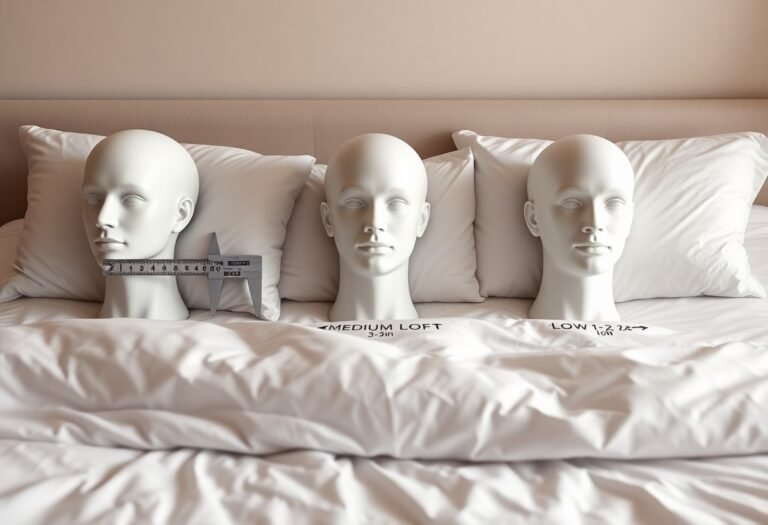
Material degradation happens gradually, so the decline feels normal even as sleep quality drops. Memory foam breaks down after seven to ten years, losing its ability to contour and rebound. Innerspring units weaken at stress points, especially under heavier body zones like hips and shoulders. You might notice you sleep better on hotel mattresses during trips, not because of the novelty, but because those beds are replaced regularly. Waking with numb arms or a sore neck suggests your pillow and surface no longer work in tandem. Rotation or flipping offers only temporary relief when the core structure has fatigued.
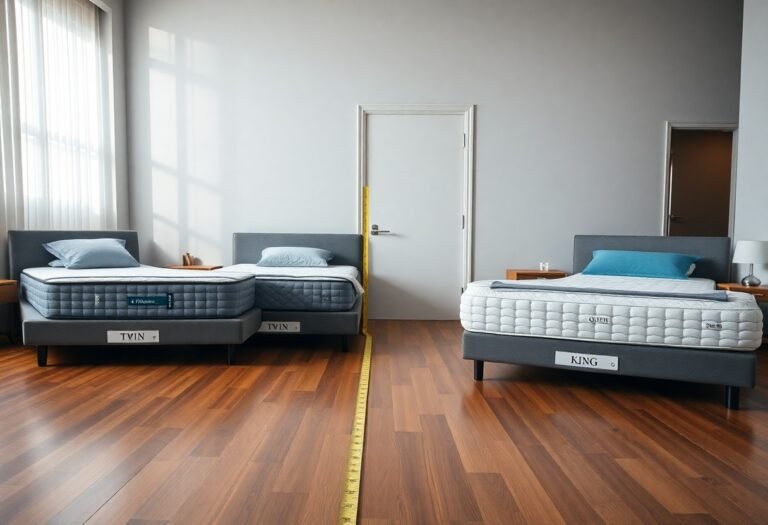
Replacement isn’t about luxury, but physiological necessity. The National Sleep Foundation notes that most mattresses reach end-of-life between seven and ten years, yet many Americans sleep on ones older than a decade. Your body doesn’t lie when it protests at dawn. Persistent aches after rest signal misalignment, not just fatigue. A simple test-placing a flat hand under your lower back while lying on your side-can reveal gaps where support is missing. If your palm fits easily, the mattress is no longer holding you properly.
Sagging Springs
A visible dip in the center of your bed isn’t just unsightly, it’s a biomechanical trap. Your body rolls inward toward the depression, forcing the spine into a curved, unnatural position for hours. This constant lateral tilt strains muscles and ligaments, particularly in the lumbar region, where the curve is most pronounced. Couples often find themselves gravitating toward the edge, not for space, but to escape the gravitational pull of the sag. Over time, this leads to chronic discomfort, not just upon waking but throughout the day. The body never fully relaxes because it’s constantly adjusting to stay balanced.
Spring fatigue usually begins at the center, where weight concentrates night after night. Once coils lose tension, they can’t rebound, creating a permanent valley. Even high-end hybrid models with reinforced edges eventually succumb if the core support fails. You might prop up pillows to level your torso, but this only masks the problem. Motion transfer increases as the frame destabilizes, so one partner’s movement jolts the other. The bed feels alive in the worst way-creaking, shifting, never still.
Some try flipping the mattress to extend its life, but modern designs are often one-sided, with non-reversible comfort layers. Adding a plywood board underneath offers temporary firmness but doesn’t restore spinal alignment. The dip remains, and so does the strain. A sag deeper than two inches typically means replacement is unavoidable. Your spine shouldn’t sleep in a hammock.
Replacing a sagging mattress can reduce back pain within the first week for many users, especially when upgrading to a model with zoned support or high-density foam. The improvement often surprises people who assumed the ache was inevitable.
The Allergic Response
Morning Sneezing. The nose is full when the sun comes through the glass. The pillow is a nest for things that bite at the breath.
Sunlight triggers more than just wakefulness; for many, it stirs a cascade of nasal irritation rooted in unseen allergens. Dust mites thrive in warm bedding, feeding on shed skin cells and leaving behind waste that inflames sensitive airways. You may not see them, but their presence announces itself each morning with persistent sneezing and postnasal drip. A pillow used for over a year without protective covers can harbor significant microbial buildup, worsening respiratory symptoms upon waking. Regular laundering in hot water and allergen-proof encasings reduce exposure, though many overlook these simple interventions. Bedrooms with carpeting or heavy drapes near the bed amplify the problem by trapping additional particulates. Even decorative items like stuffed animals or throw blankets accumulate dust, creating reservoirs for irritants that disrupt sleep quality over time.
Opening windows for ventilation seems beneficial, yet it introduces pollen and outdoor mold spores directly into the breathing zone during sleep. Urban environments add diesel particulate matter, which binds to allergens and increases their potency. You might notice symptoms worsen in spring or after rainy periods when mold counts spike. Air purifiers with true HEPA filters can mitigate some of these effects by continuously cycling bedroom air. One mid-sized SaaS firm reported improved employee self-reported sleep quality after subsidizing bedroom air purifiers for staff with seasonal allergies. Keeping windows closed during high pollen times and using sealed HVAC filters makes a measurable difference in symptom frequency.
Antihistamines may dull the reaction, but they don’t address the source. You continue inhaling irritants night after night, leading to chronic sinus inflammation or even non-allergic rhinitis over time. Children in homes with visible mold or dampness show higher rates of nighttime coughing and nasal congestion, according to clinical observations. Replacing old pillows every 18 to 24 months, washing bedding weekly, and removing excess fabric items from the sleep space are practical steps with immediate impact. Consider switching to hypoallergenic materials like latex or copper-infused memory foam, which resist microbial growth more effectively than traditional fills.
Red Eyes. They itch and they burn in the morning light. The air is dry or full of mold and it is a bad way to live.
Waking with red, irritated eyes often points to environmental triggers rather than fatigue alone. Low humidity levels, especially in heated or air-conditioned bedrooms, dry out the ocular surface and exacerbate discomfort. You may not feel the air is dry, but relative humidity below 30% strips moisture from exposed tissues overnight. Mold spores, invisible on damp walls or behind furniture, release mycotoxins that inflame mucous membranes, including those in the eyes. Bedrooms in basements or older buildings with poor ventilation are particularly prone to hidden moisture accumulation. A musty odor upon entering the room, even faint, suggests active fungal growth affecting your immediate breathing zone.
Eye irritation often coincides with throat tickling or nasal congestion, forming a cluster of symptoms easily mistaken for a lingering cold. You might reach for eye drops without considering the bedroom’s role in perpetuating the issue. Humidifiers can help, but only if cleaned daily-otherwise, they become breeding grounds for mold and bacteria dispersed into the air. One study noted that patients with chronic conjunctivitis saw symptom reduction after removing humidifiers and treating wall mold in their sleeping areas. Black mold, particularly around window frames or ceilings, correlates with persistent ocular and respiratory complaints, even in otherwise healthy individuals.
Replacing air filters in heating or cooling systems every three months reduces airborne particulates, including mold fragments. You can also use moisture meters to detect wall or floor dampness before visible mold appears. Keeping the bedroom below 50% humidity with a dehumid idifier in damp climates prevents fungal colonization. Opt for blinds instead of fabric curtains, which trap spores and resist cleaning. Over time, these adjustments reduce eye inflammation and improve morning comfort without relying on medication.
Chronic exposure to airborne allergens during sleep contributes to long-term sensitization, where your immune system becomes increasingly reactive to lower levels of irritants. You may find that occasional eye itching evolves into daily discomfort, even in environments previously tolerated. This progression underscores the importance of early intervention in the sleep space, where exposure is prolonged and consistent. Addressing mold at its source-through ventilation improvements, leak repairs, or professional remediation-offers more lasting relief than symptomatic treatment alone. Ophthalmologists increasingly consider bedroom air quality when evaluating patients with recurrent conjunctivitis or dry eye syndrome unresponsive to standard therapies.
To wrap up
You may notice persistent fatigue despite spending enough time in bed, a sign that your sleep environment could be undermining your rest. Subtle factors like elevated room temperature, inconsistent airflow, or light seeping through poorly covered windows often disrupt sleep cycles without obvious immediate causes. A mid-sized SaaS firm recently reported improved employee alertness after adjusting office lighting and temperature, reflecting how environmental tweaks can yield measurable benefits.
Your body responds to physical cues more than willpower, and repeated exposure to poor sleep conditions can lead to long-term health concerns such as weakened immunity or increased irritability. Dust mites in unclean bedding, an aging mattress that no longer supports spinal alignment, or nighttime noise from outside traffic all contribute to fragmented sleep. These issues rarely announce themselves dramatically but accumulate over weeks or months.
You are likely underestimating how much your surroundings influence your well-being. Replacing old pillows, adding blackout curtains, or using a white noise machine are simple changes with outsized effects. One study participant reported falling asleep 20 minutes faster after switching to hypoallergenic bedding and lowering bedroom temperature to 67°F. Small adjustments, consistently applied, reshape sleep quality more effectively than drastic interventions.